With more than 10‑year industry experience, Shandong Headpowder delivers full‑service pneumatic‑conveying systems and blowers, undertaking nationwide turn‑key powder‑handling projects.
When it comes to handling magnesium hydroxide, selecting the right conveying method is crucial for efficiency, safety, and operational costs. Shandong HeadPowder Engineering Co., Ltd., a leading manufacturer based in China, specializes in providing solutions tailored to various industrial needs. This article provides a detailed comparison of common magnesium hydroxide conveying methods, helping you make an informed decision for your specific application.
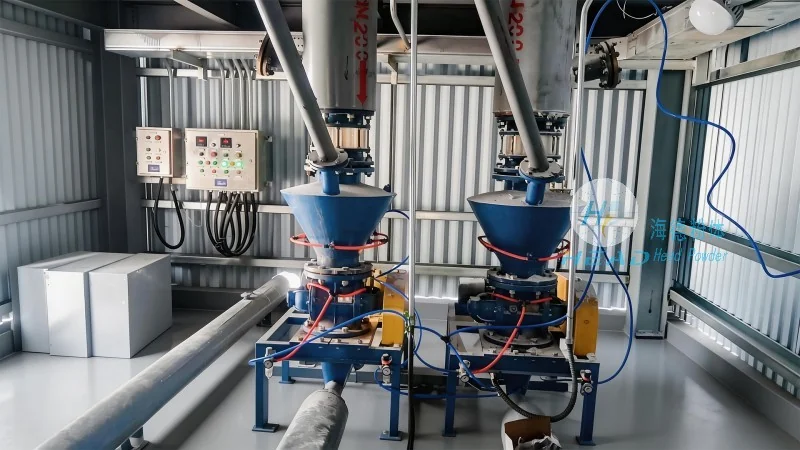
Magnesium hydroxide, often used in applications like flame retardants, pharmaceuticals, and water treatment, is a fine powder that requires careful handling to prevent dust accumulation and ensure consistent flow. The choice of conveying method directly impacts the overall performance of the process, including material handling speed, equipment maintenance, and environmental compliance. At HeadPowder, we recognize that each production line has unique requirements, which is why we offer tailored solutions that align with your operational goals.
Pneumatic conveying, also known as air-assisted transport, is a popular method for transporting magnesium hydroxide, especially in applications where dust control and flexibility are priorities. This system uses compressed air to move the powder through a pipeline, allowing for both positive and negative pressure operation. The positive pressure system pushes the material forward, while the negative pressure system pulls it. Pneumatic conveying offers advantages such as minimal equipment wear, the ability to transport materials over long distances, and reduced risk of product contamination. However, it may require higher energy consumption and careful air filtration to manage dust emissions. HeadPowder’s expertise in designing efficient pneumatic systems ensures optimal performance and compliance with environmental standards.
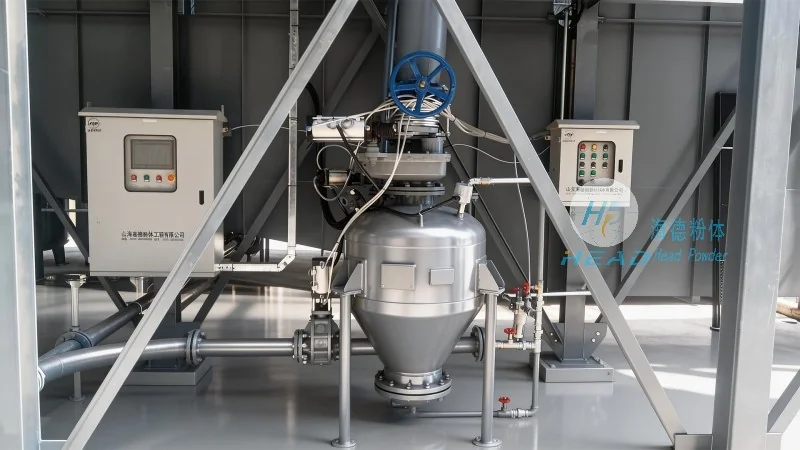
Screw conveyors, or auger conveyors, are another widely used method for transporting magnesium hydroxide. These systems consist of a rotating screw inside a trough, which moves the material along the length of the conveyor. Screw conveyors are particularly effective for horizontal or slightly inclined transport, providing a continuous and controlled flow. They are suitable for handling bulk quantities of fine powders and can be integrated with other processing equipment, such as mixers or classifiers. The main advantages of screw conveyors include simplicity, low maintenance, and the ability to operate in a closed system, which helps maintain product purity. However, they may experience issues with material bridging or clogging if the powder is too fine or has high moisture content. At HeadPowder, we design screw conveyors with robust construction and appropriate screw pitch to ensure reliable operation for magnesium hydroxide.
Belt conveyors are commonly used in bulk material handling, including the transport of magnesium hydroxide. These systems use a continuous belt to move the material from one point to another, often over longer distances. Belt conveyors are ideal for applications requiring high throughput and the ability to transport materials over uneven terrain or multiple levels. They offer advantages such as high capacity, low power consumption, and the ability to handle a wide range of materials, including fine powders. However, they may require more space and regular maintenance to keep the belt in good condition. Belt conveyors are particularly effective when combined with other equipment, such as feeders or elevators, to create a seamless material flow. HeadPowder’s expertise in conveyor system design ensures that belt conveyors are optimized for the specific characteristics of magnesium hydroxide, minimizing downtime and maximizing efficiency.
Hydraulic conveying, or slurry transport, involves mixing magnesium hydroxide with water to create a slurry, which is then pumped through pipelines. This method is particularly useful for transporting materials over long distances or in challenging terrain where other methods may be impractical. Hydraulic conveying offers advantages such as the ability to handle high volumes of material, reduced dust generation, and the ability to transport materials with high moisture content. However, it requires additional equipment for slurry preparation and may involve higher costs for water treatment and disposal. The system also needs to be carefully designed to prevent clogging and maintain consistent flow rates. HeadPowder provides hydraulic conveying solutions tailored to the specific needs of our clients, ensuring reliable and efficient transport of magnesium hydroxide.
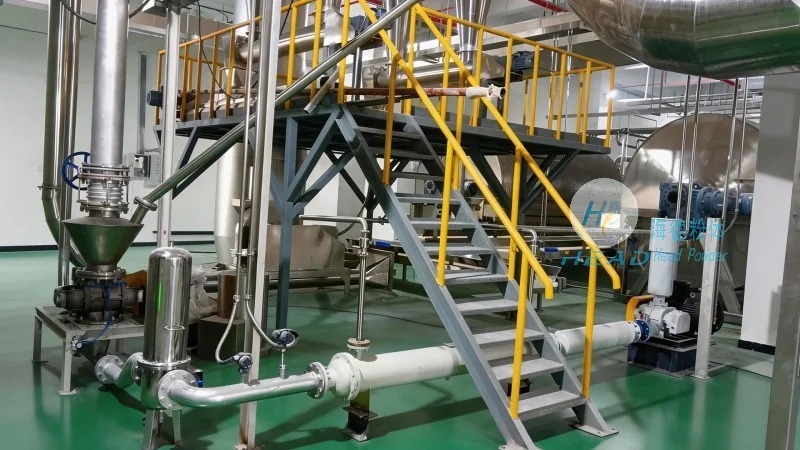
When choosing a conveying method for magnesium hydroxide, it is essential to consider several factors, including the material’s properties, the required transport distance, the desired throughput, and the available space. Pneumatic conveying is ideal for short to medium distances and applications requiring dust control, while screw conveyors are suitable for horizontal transport and moderate capacities. Belt conveyors are best for long-distance transport and high throughput, and hydraulic conveying is preferred for long distances or challenging terrain. At Shandong HeadPowder Engineering Co., Ltd., we work closely with our clients to assess their specific requirements and recommend the most suitable conveying method. Our team of experts evaluates factors such as material flow characteristics, equipment availability, and operational costs to provide a customized solution that maximizes efficiency and minimizes risks.
Proper conveying of magnesium hydroxide is critical for the success of industrial processes. By understanding the advantages and limitations of different conveying methods, you can select the most appropriate system for your application. Shandong HeadPowder Engineering Co., Ltd. offers a range of conveying solutions, including pneumatic, screw, belt, and hydraulic systems, designed to meet the unique needs of our clients. Our commitment to quality, efficiency, and customer satisfaction ensures that you receive a reliable and effective solution for your magnesium hydroxide handling requirements. Whether you need to transport materials over short distances or long distances, HeadPowder has the expertise and equipment to help you achieve your operational goals.

 Shandong Headpowder Engineering Co., Ltd.
 156-6277-7102(Manager Zhang)
  0531-83386006
  Zhangqiu District, Jinan City, Shandong Province, China
telephone
WeChatconsult
top