

Introduction to Sodium Phosphate Pneumatic Conveying Equipment and Structural Principles
HeadPowder, a leading manufacturer based in Shandong, China, specializes in the design and production of advanced pneumatic conveying systems for various industrial applications. This article provides an overview of sodium phosphate pneumatic conveyors, focusing on their structural design, operational principles, and key features that make them suitable for handling this specific material.
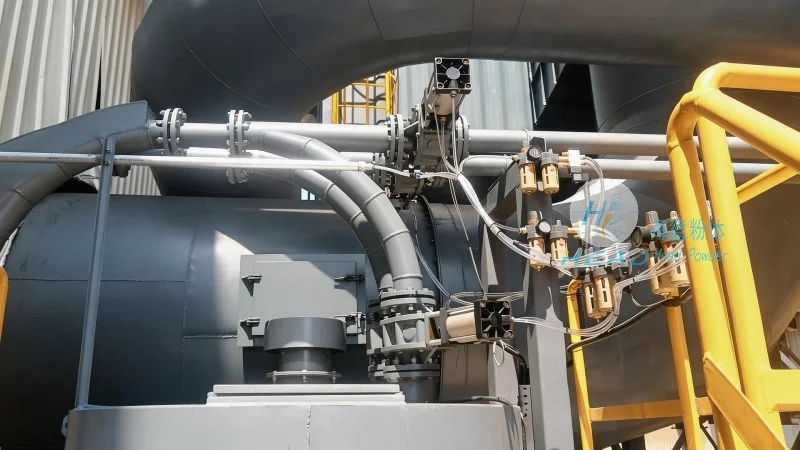
Introduction to Sodium Phosphate Pneumatic Conveying Equipment
Sodium phosphate, commonly used in chemical, food, and pharmaceutical industries, requires efficient and reliable material handling solutions to ensure product quality and process efficiency. Pneumatic conveying equipment offers a dust-free, low-maintenance alternative to traditional methods like belt conveyors or bucket elevators. The sodium phosphate pneumatic conveyor system developed by HeadPowder is engineered to meet the unique demands of transporting this material, combining robust construction with precise control mechanisms.
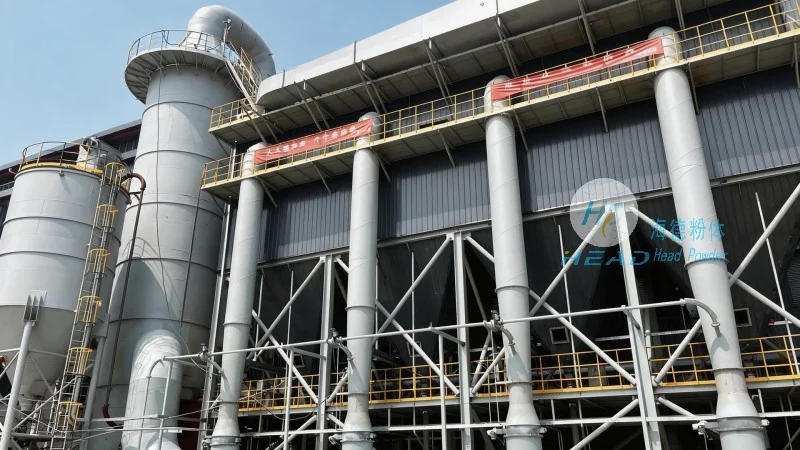
Structural Components and Working Principle
The sodium phosphate pneumatic conveyor consists of several critical components that work in tandem to achieve effective material transport. The main parts include the hopper, feed mechanism, airlock, conveying pipeline, and receiver. The hopper is designed to store the sodium phosphate, with a feed mechanism that regulates the material flow into the system. The airlock, typically a rotary or sliding valve, ensures that the material is discharged into the pipeline without creating back pressure or air leakage. The conveying pipeline, often made of stainless steel or other corrosion-resistant materials, transports the material and air mixture. The receiver collects the conveyed material and may include a dust collection system to maintain a clean environment.
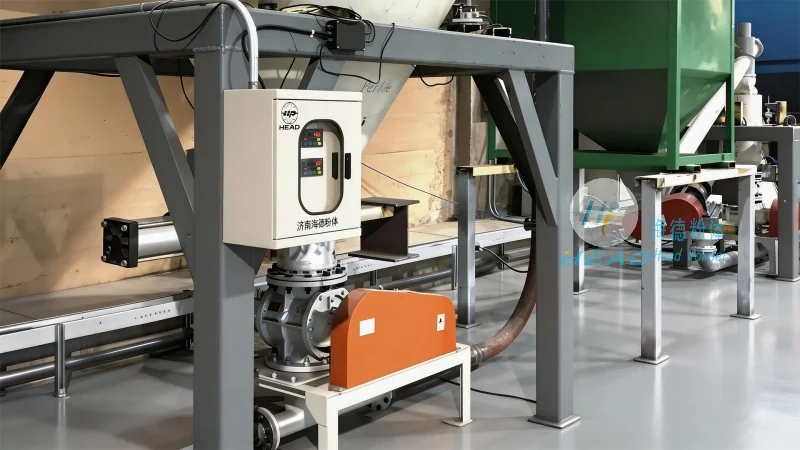
The working principle of the system involves the use of compressed air to create a flow that propels the sodium phosphate particles through the pipeline. The air and material are mixed in the hopper and feed section, with the air pressure maintaining the material in suspension as it travels through the pipeline. The receiver then separates the material from the air, allowing the air to be recirculated or vented. This process is highly efficient for handling fine or powdery sodium phosphate, minimizing product degradation and ensuring consistent flow rates.
Technical Advantages and Application Scenarios
HeadPowder's sodium phosphate pneumatic conveyors offer several technical advantages that enhance their performance and reliability. These include: 1) Dust-free operation, which improves workplace safety and product quality by preventing contamination; 2) Low maintenance requirements, as the system has fewer moving parts compared to mechanical conveyors; 3) Flexibility in layout, allowing for horizontal, vertical, or inclined transport paths; 4) Ability to handle varying material densities and flow rates, adapting to different production needs. The equipment is particularly suitable for applications such as chemical processing plants, food processing facilities, and pharmaceutical manufacturing sites where precise material handling is critical.
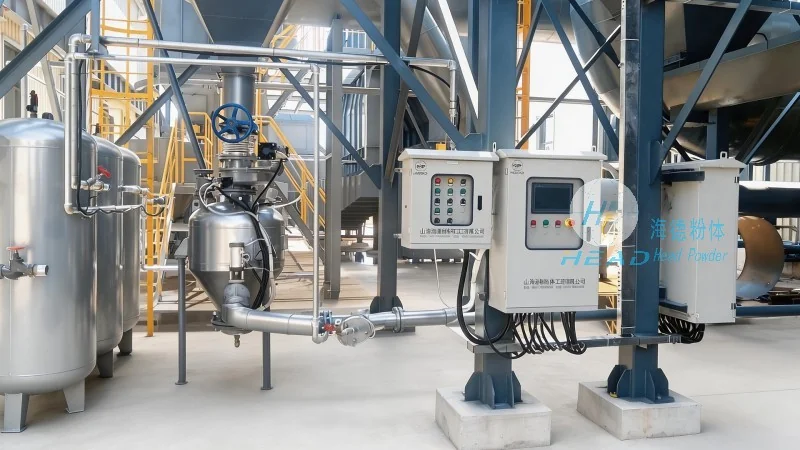
Company Profile and Service Commitment
Shandong HeadPowder Engineering Co., Ltd., operating under the brand name HeadPowder, is committed to delivering high-quality pneumatic conveying solutions tailored to customer needs. With a focus on innovation and customer satisfaction, the company provides comprehensive services including system design, installation, and after-sales support. HeadPowder's team of engineers and technicians ensures that each sodium phosphate pneumatic conveyor is customized to meet specific operational requirements, ensuring optimal performance and longevity. The company's headquarters is located in Shandong, China, providing a strong foundation for supporting clients across various industries.