With more than 10‑year industry experience, Shandong Headpowder delivers full‑service pneumatic‑conveying systems and blowers, undertaking nationwide turn‑key powder‑handling projects.
Light calcium powder is a widely used chemical raw material in various industrial fields, such as paint, plastic, and rubber. The efficient and reliable transportation of this fine powder is crucial for production processes. This article aims to explain what a light calcium powder material conveying line is and delve into its design principles, providing a comprehensive understanding of this essential industrial equipment.
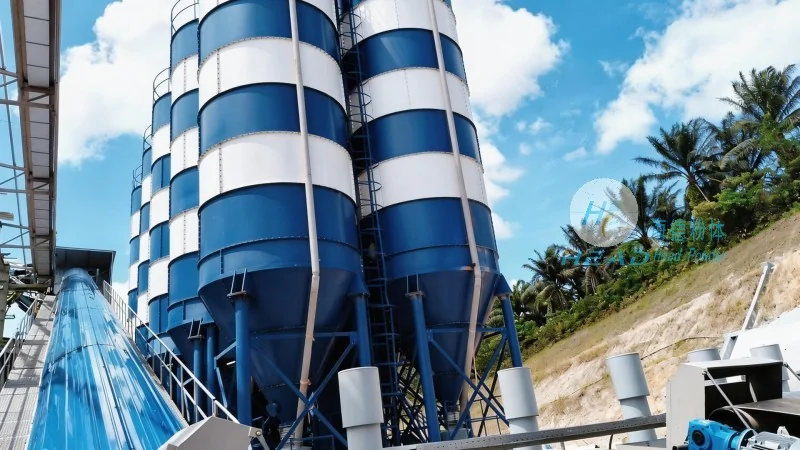
A light calcium powder material conveying line is a specialized system designed to transport light calcium powder from storage silos or production areas to processing units. It typically consists of components like hoppers, feeders, conveyors, and control systems, all working together to ensure the smooth and safe movement of the powder. The system is engineered to handle the unique properties of light calcium powder, which includes its fine particle size, low bulk density, and potential for dust generation. By integrating various technologies, such as pneumatic conveying or mechanical conveying, these lines offer solutions tailored to different production needs.
The design of a light calcium powder material conveying line involves several critical components that ensure optimal performance. The primary components include:
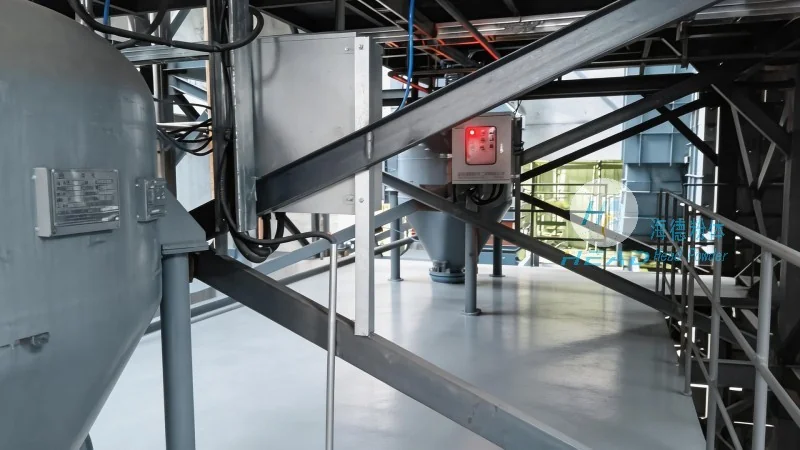
The design principles of a light calcium powder material conveying line focus on several key aspects to ensure efficiency, reliability, and safety. The primary principles include:
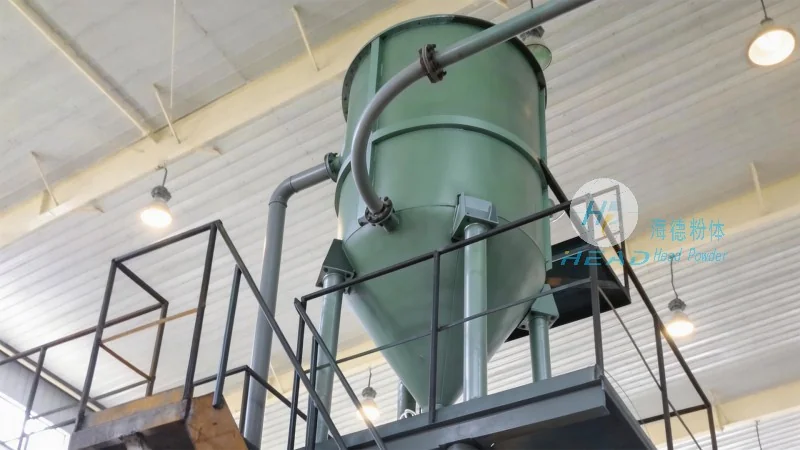
The light calcium powder material conveying line is widely used in industries that rely on fine chemical powders. Its applications include:
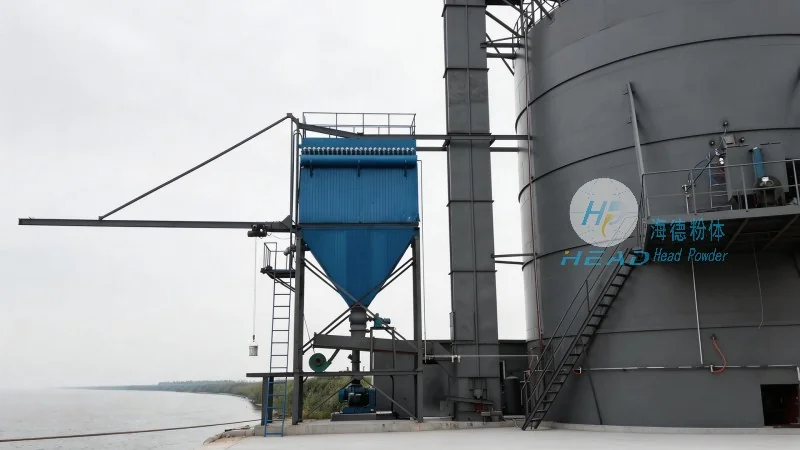
The benefits of using a well-designed light calcium powder material conveying line include improved production efficiency, reduced downtime due to equipment failures, and enhanced safety in the workplace. By ensuring the smooth and reliable transportation of the powder, these systems contribute to the overall productivity and profitability of industrial operations.
Shandong HeadPowder Engineering Co., Ltd., a leading manufacturer in the field of material handling equipment, specializes in the design and production of light calcium powder material conveying lines. With years of experience and a commitment to quality, the company provides customized solutions tailored to the specific needs of its clients. HeadPowder's products are known for their durability, efficiency, and reliability, making them a trusted choice in the industry. The company's headquarters is located in Shandong, China, where it continues to innovate and advance the technology of material handling systems.

 Shandong Headpowder Engineering Co., Ltd.
 156-6277-7102(Manager Zhang)
  0531-83386006
  Zhangqiu District, Jinan City, Shandong Province, China
telephone
WeChatconsult
top