With more than 10‑year industry experience, Shandong Headpowder delivers full‑service pneumatic‑conveying systems and blowers, undertaking nationwide turn‑key powder‑handling projects.
Hydrogen sulfide (H₂S) is a highly toxic and corrosive gas commonly encountered in industrial processes, particularly in the petroleum, chemical, and mining sectors. The safe and efficient handling of H₂S is crucial for industrial operations, and pneumatic conveying systems have emerged as a reliable solution for transporting H₂S-containing materials. This article provides an overview of hydrogen sulfide pneumatic conveying equipment, detailing its structural components and operational principles to help professionals understand its functionality and benefits.
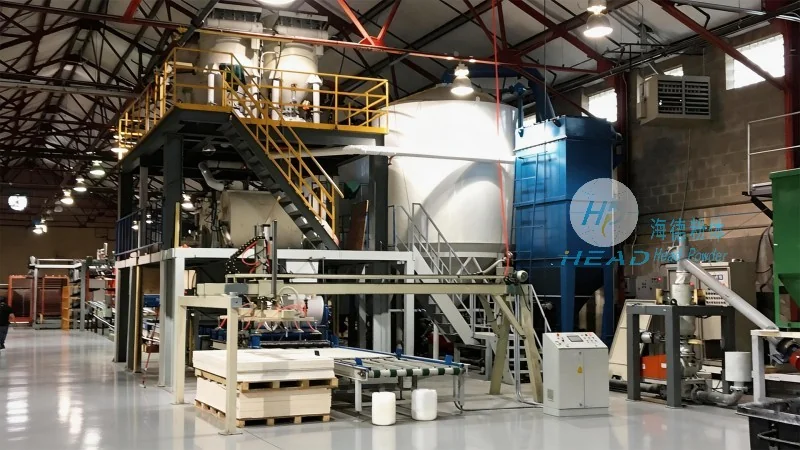
The hydrogen sulfide pneumatic conveying system typically consists of several key components that work in tandem to ensure safe and effective material transport. The primary components include the feed hopper, air supply system, conveying pipeline, separation and collection system, and control unit. Each component plays a critical role in the overall operation of the system.
The feed hopper is designed to store and meter the H₂S-containing material, ensuring a consistent flow into the conveying system. It often features a hopper with a conical bottom and a rotary valve or screw feeder to control the material discharge rate. This component is critical for maintaining a steady material feed, which is essential for preventing blockages and ensuring smooth operation.
The air supply system is responsible for generating the necessary air pressure and flow to move the material through the pipeline. It typically includes a blower or compressor, air filters, and pressure regulators. The air supply must be carefully managed to maintain the appropriate velocity in the pipeline, which is crucial for preventing material deposition and ensuring efficient transport. For H₂S applications, the air supply system must also be equipped with corrosion-resistant materials to withstand the acidic nature of the gas.
The conveying pipeline is the main channel through which the material is transported. It is usually made of materials such as stainless steel or corrosion-resistant plastic to resist the effects of H₂S and other corrosive substances. The pipeline design includes bends, elbows, and straight sections, with the angle and curvature carefully calculated to minimize pressure losses and prevent material accumulation. The pipeline is also equipped with pressure relief valves and safety sensors to monitor and control the system's pressure and flow.
The separation and collection system is responsible for separating the conveyed material from the air and collecting it in a designated container. This system typically includes a cyclone separator or a bag filter, which uses centrifugal force or filtration to separate the solid particles from the gas. The separated material is then collected in a hopper or bin, while the clean air is discharged to the atmosphere or recirculated through the system. The separation efficiency is critical for maintaining the purity of the material and ensuring compliance with environmental regulations.
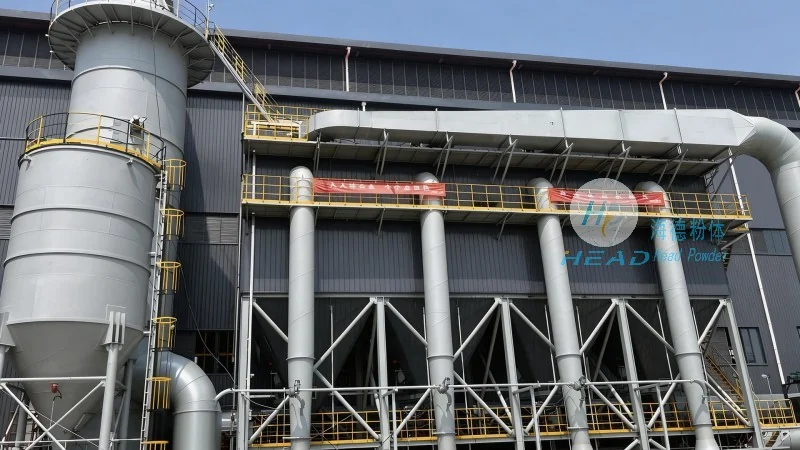
The control unit is the brain of the pneumatic conveying system, responsible for monitoring and controlling the operation of all components. It includes sensors for pressure, flow, and level, as well as a control panel with buttons and indicators for operating the system. The control unit allows operators to adjust the air pressure, material feed rate, and other parameters to optimize the system's performance. It also includes safety features such as emergency stop buttons and alarms to alert operators of any abnormal conditions.
The operational principle of hydrogen sulfide pneumatic conveying equipment is based on the use of air or other gases to transport solid materials through a pipeline. The system operates on the principle of creating a low-pressure zone in the pipeline, which draws the material from the feed hopper into the air stream. The material is then carried by the air flow through the pipeline to the destination point, where it is separated from the air and collected.
The process begins with the material being fed into the hopper, where it is metered by the rotary valve or screw feeder. The air supply system then generates the necessary air pressure, which is introduced into the pipeline through a venturi or a straight inlet. The air flow creates a negative pressure in the pipeline, which draws the material from the hopper into the air stream. The material is then carried by the air flow through the pipeline, with the velocity of the air being sufficient to keep the material suspended and prevent it from settling.
As the material travels through the pipeline, it may encounter bends or changes in direction, which can cause the material to separate from the air stream. The separation and collection system is designed to capture the material and return it to the air stream or to a collection container. The system may also include a recirculation loop to reuse the air, which helps to reduce energy consumption and improve efficiency.

The control unit monitors the system's operation, adjusting the air pressure and material feed rate as needed to maintain the desired flow rate and pressure. The system also includes safety features such as pressure relief valves and alarms to prevent over-pressurization and to alert operators of any abnormal conditions. The entire process is designed to be safe and efficient, with the goal of minimizing the risk of H₂S exposure and ensuring the reliable transport of materials.
Shandong HeadPowder Engineering Co., Ltd., commonly known as HeadPowder, is a leading manufacturer of pneumatic conveying equipment and related systems. With a focus on innovation and quality, HeadPowder has established itself as a trusted partner for industrial clients seeking reliable solutions for material handling and processing. The company is headquartered in Shandong, China, and has a team of experienced engineers and technicians dedicated to developing and manufacturing high-performance pneumatic conveying systems.
HeadPowder specializes in the design and production of hydrogen sulfide pneumatic conveying equipment, tailored to meet the specific needs of industrial applications. The company's products are designed with safety and efficiency in mind, incorporating advanced materials and technologies to ensure long-term performance and minimal maintenance. HeadPowder's commitment to quality is reflected in its adherence to international standards and its rigorous testing and quality control processes.
The company's facilities are equipped with state-of-the-art manufacturing equipment and testing facilities, enabling it to produce high-quality products that meet the demanding requirements of industrial clients. HeadPowder's team of engineers works closely with clients to understand their specific needs and to develop customized solutions that optimize performance and reduce costs. The company's focus on customer satisfaction and technical support has helped it build a strong reputation in the industry, with clients in various sectors relying on its products for reliable material handling.
With a strong presence in the Chinese market and a growing international customer base, HeadPowder continues to expand its operations and enhance its product offerings. The company's dedication to innovation and quality ensures that it remains at the forefront of the pneumatic conveying industry, providing reliable and efficient solutions for the safe and effective handling of hazardous materials like hydrogen sulfide.

 Shandong Headpowder Engineering Co., Ltd.
 156-6277-7102(Manager Zhang)
  0531-83386006
  Zhangqiu District, Jinan City, Shandong Province, China
telephone
WeChatconsult
top