What is a dry powder material conveying line? What are its design principles?
Release time:2026-09-16 00:01:17
name of the company:Shandong Headpowder Engineering Co., Ltd.
telephone:156-6277-7102
contacts:Manager Zhang
A dry powder material conveying line is a specialized system engineered to transport bulk dry powders, such as cement, flour, or chemical powders, from one location to another. These systems are critical in industries like construction, food processing, and chemical manufacturing, where efficient and reliable powder handling is essential for operational efficiency and product quality. The design of such lines involves careful consideration of several key factors to ensure optimal performance, safety, and durability.
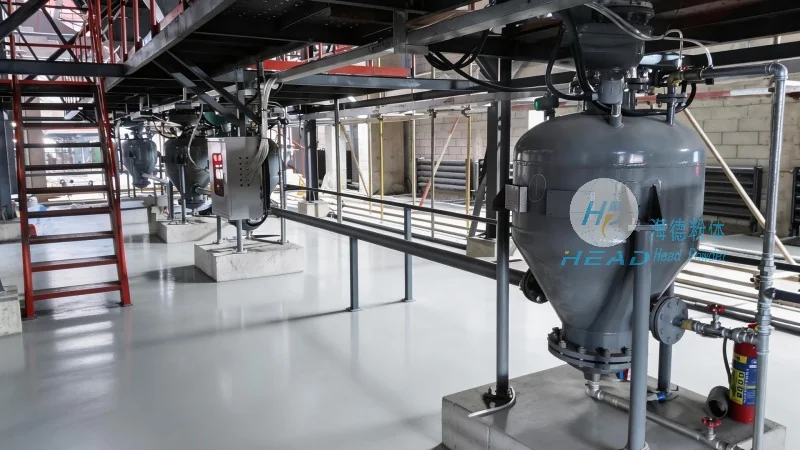
Core Design Principles of Dry Powder Conveying Systems
The design of a dry powder conveying line is governed by fundamental principles that address the unique challenges of handling fine, dry materials. These principles include:
- Material Properties Consideration: The physical and chemical properties of the powder, including particle size, moisture content, and flowability, are critical. Different materials may require specific equipment, such as screw conveyors, pneumatic conveyors, or bucket elevators, to ensure proper handling without degradation or clogging.
- System Integration and Flow Path: The layout of the conveying line must be optimized to minimize material degradation, energy consumption, and maintenance. This involves designing a smooth flow path with appropriate inclinations and velocities to prevent material buildup or segregation.
- Control and Monitoring Systems: Modern conveying lines incorporate advanced control systems to monitor parameters like pressure, flow rate, and temperature. These systems help maintain consistent performance, detect anomalies, and ensure safety by preventing overloading or system failures.
- Material Handling Equipment Selection: The choice of equipment, such as rotary valves, feeders, and discharge devices, is crucial. Proper selection ensures that the material is conveyed efficiently without causing wear and tear on the equipment or compromising product integrity.
Key Components and Their Functions in a Dry Powder Conveying Line
A typical dry powder conveying line consists of several interconnected components, each serving a specific function to ensure the smooth transport of materials. These components include:
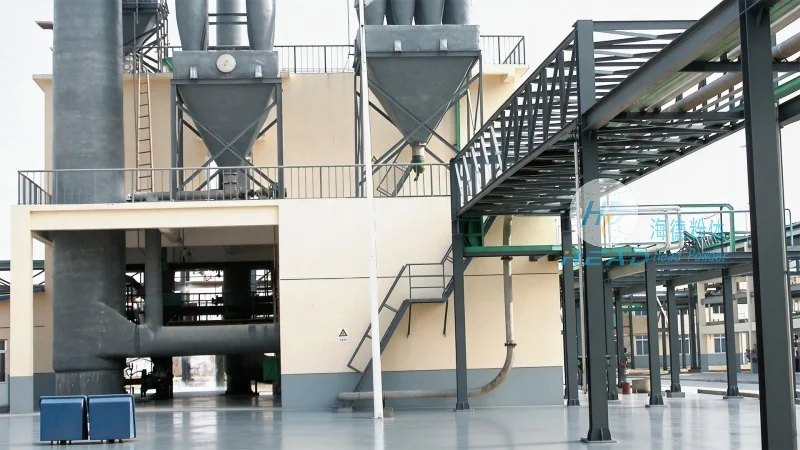
- Feeding Equipment: This component, often a rotary valve or a screw feeder, is responsible for feeding the dry powder into the conveying system at a controlled rate. The design of the feeder must match the material's flow characteristics to prevent blockages and ensure consistent feeding.
- Conveying Equipment: The core of the system, this component can be either mechanical (e.g., screw conveyors, belt conveyors) or pneumatic (e.g., air slides, pressure or vacuum conveyors). The choice depends on the material's properties and the required conveying distance. For example, pneumatic systems are ideal for long-distance or high-volume transport, while mechanical systems are suitable for shorter distances or where air quality is a concern.
- Control and Monitoring Devices: These include pressure sensors, flow meters, and control panels that allow operators to monitor and adjust the system's performance in real-time. This ensures that the conveying process remains stable and efficient, minimizing downtime and maintenance costs.
- Discharge and Dosing Equipment: At the end of the conveying line, the material is discharged into a storage silo or processing equipment. Dosing equipment, such as gravimetric feeders, ensures accurate and controlled dispensing of the powder, which is crucial for applications like batching or mixing.
Applications and Benefits of Dry Powder Conveying Lines
Dry powder conveying lines are widely used in various industries due to their ability to handle bulk materials efficiently and safely. Some common applications include:
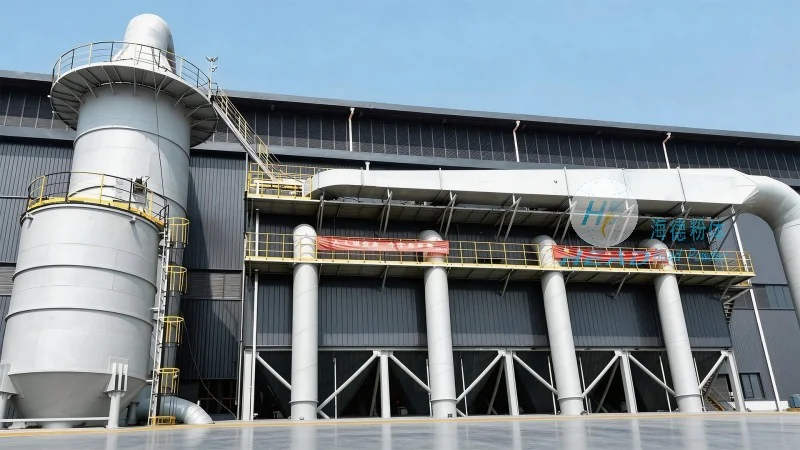
- Construction Industry: Used for transporting cement, fly ash, and other dry powders to construction sites, these systems improve material handling efficiency and reduce labor costs.
- Food Processing: In the food industry, conveying lines are used to transport flour, sugar, and other dry ingredients to processing equipment. The systems are designed to maintain hygiene and prevent contamination.
- Chemical Manufacturing: Used for transporting chemical powders, such as fertilizers or pigments, these systems ensure safe and efficient handling, reducing the risk of dust explosions and material loss.
By adhering to the design principles and utilizing appropriate components, dry powder conveying lines offer several benefits, including:
- Increased Efficiency: Automated systems reduce labor requirements and minimize downtime, leading to higher production rates.
- Improved Product Quality: Consistent handling prevents material degradation, ensuring that the final product meets quality standards.
- Enhanced Safety: Proper design and control systems reduce the risk of dust explosions and material spills, creating a safer working environment.
- Cost-Effective Operation: Efficient systems lower energy consumption and maintenance costs over time.
About Shandong HeadPowder Engineering Co., Ltd.
Shandong HeadPowder Engineering Co., Ltd., commonly known as headpowder, is a leading manufacturer and supplier of dry powder conveying systems. With a focus on innovation and quality, the company provides customized solutions tailored to the specific needs of its clients. HeadPowder's expertise lies in designing and manufacturing reliable, efficient, and safe conveying lines that meet the highest industry standards. The company's facilities are located in Shandong, China, where it leverages advanced technology and skilled workforce to deliver top-notch products and services to customers worldwide.

 Shandong Headpowder Engineering Co., Ltd.
 156-6277-7102(Manager Zhang)
  0531-83386006
  Zhangqiu District, Jinan City, Shandong Province, China