With more than 10‑year industry experience, Shandong Headpowder delivers full‑service pneumatic‑conveying systems and blowers, undertaking nationwide turn‑key powder‑handling projects.
Carbon black and coal powder are critical raw materials in numerous industrial sectors, including rubber manufacturing, plastic production, and energy generation. The efficient and reliable transport of these fine particulate materials is essential for maintaining production continuity, ensuring product quality, and safeguarding operational safety. This article examines the various conveying methods available for carbon black and coal powder, highlighting the key factors that influence the selection of an appropriate system.
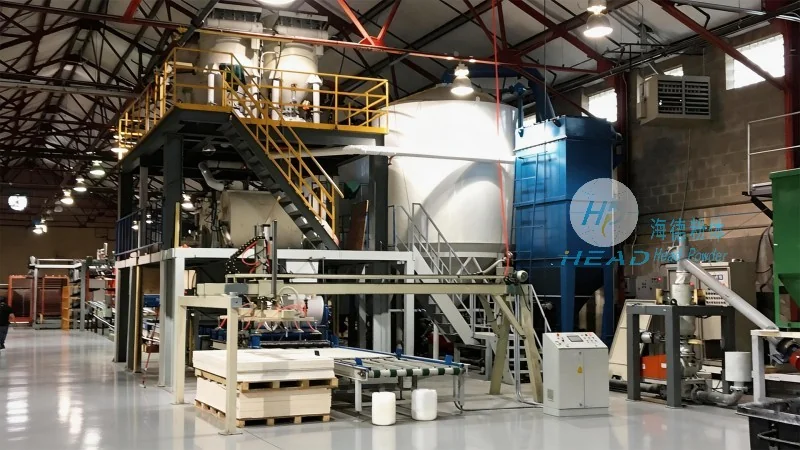
Carbon black and coal powder exhibit unique properties that demand specialized handling. These materials are typically fine, abrasive, and prone to dust generation, which can lead to caking, equipment wear, and health hazards if not managed properly. Conventional bulk material handling techniques may not be suitable due to the high density and potential for particle agglomeration. Therefore, selecting an appropriate conveying system is crucial for optimizing material flow, minimizing downtime, and ensuring compliance with environmental regulations.
Several conveying technologies are widely used in the industry for transporting carbon black and coal powder. Each method offers distinct advantages and limitations, making the choice dependent on factors such as material characteristics, distance, capacity, and operational constraints.
Air-pneumatic conveying, or pneumatic conveying, is a prevalent method for carbon black and coal powder transport. This system utilizes compressed air to move material through a pipeline. Two primary types exist: pressure and vacuum systems. Pressure systems employ positive pressure to push material forward, while vacuum systems rely on negative pressure to pull material into the pipeline.
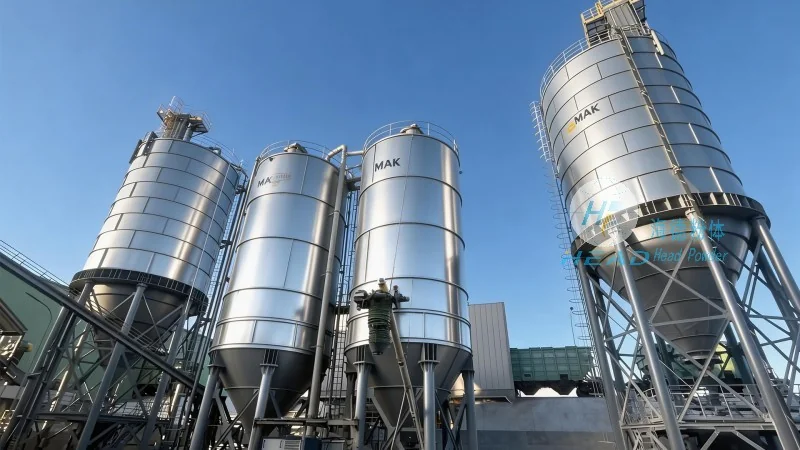
For carbon black and coal powder, pressure conveying is often preferred due to its capacity to handle high material loads and long distances. The system typically includes a hopper, rotary valve, conveyor line, and dust collector. Material is fed into the hopper, discharged via the rotary valve into the conveyor line, and transported by compressed air through the pipeline to the destination. The dust collector at the end captures fine particles, ensuring a clean and safe operation.
Mechanical conveying systems, which rely on mechanical components like belts, screws, or buckets, are another effective option. Screw conveyors are particularly well-suited for carbon black and coal powder due to their ability to handle abrasive materials and maintain consistent flow rates.
A screw conveyor consists of a rotating screw within a tube or trough. Material is fed into one end, and the screw rotates to push it forward. Adjusting the screw speed and pitch controls the flow rate and prevents clogging. These conveyors are ideal for short to medium distances and accommodate a wide range of material types and sizes.
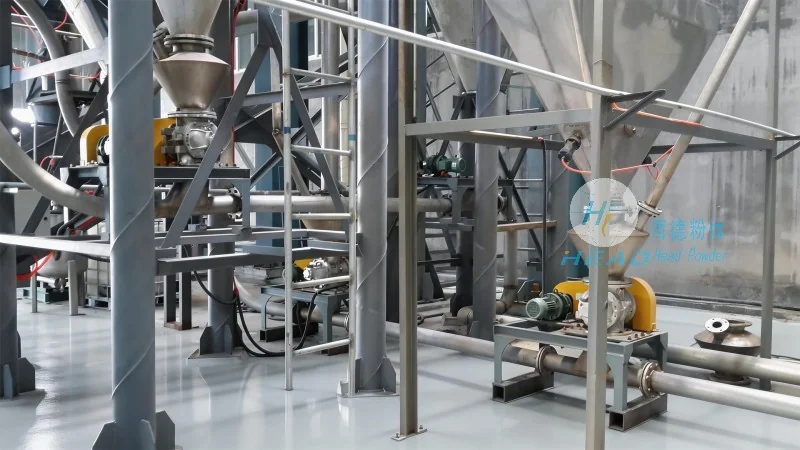
Hybrid conveying systems combine the benefits of pneumatic and mechanical methods to provide a versatile solution. These systems typically integrate air and mechanical components. For instance, a hybrid system may use a screw conveyor to feed material into a pneumatic line. This approach handles larger particles and higher loads while retaining the flexibility of pneumatic conveying.
When choosing a conveying system for carbon black and coal powder, several considerations are critical. Material properties—such as particle size, density, and abrasiveness—are paramount. Carbon black and coal powder are fine and abrasive, causing wear on equipment; thus, stainless steel or specialized alloys are often used for contact parts.
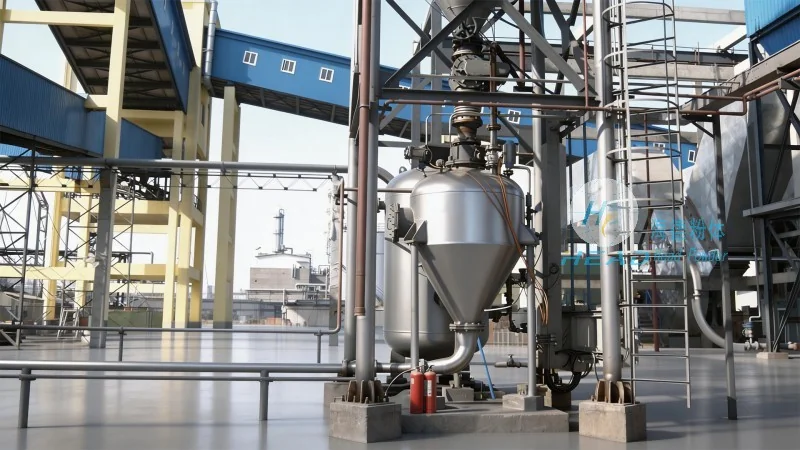
Distance and capacity requirements also influence the choice. Short distances and low capacity may suffice with mechanical conveyors, whereas long distances and high capacity favor pneumatic systems. Environmental regulations further impact selection; pneumatic systems can be equipped with dust collectors to minimize emissions and meet standards.
Efficient carbon black and coal powder conveying requires tailored systems to ensure safe and reliable transport. The optimal method depends on material characteristics, operational distance, capacity needs, and regulatory compliance. Air-pneumatic systems excel at long distances and high loads, while mechanical conveyors suit shorter runs and abrasive materials. Hybrid systems offer flexibility by merging both approaches.
Shandong HeadPowder Engineering Co., Ltd., a leading bulk material handling solutions provider, offers customized conveying systems for carbon black and coal powder applications. With extensive industry experience, the company delivers reliable, efficient solutions that meet high quality and safety standards. Headquartered in Shandong, China, HeadPowder Engineering Co., Ltd. serves global clients, helping them optimize production processes and enhance overall operational efficiency.

 Shandong Headpowder Engineering Co., Ltd.
 156-6277-7102(Manager Zhang)
  0531-83386006
  Zhangqiu District, Jinan City, Shandong Province, China
telephone
WeChatconsult
top