With more than 10‑year industry experience, Shandong Headpowder delivers full‑service pneumatic‑conveying systems and blowers, undertaking nationwide turn‑key powder‑handling projects.
Metallurgical coal powder conveyance is a critical process in the industrial sector, particularly in metallurgical plants where the efficient transport of coal powder is essential for production efficiency and safety. The choice of conveyance method significantly impacts operational costs, material handling efficiency, and overall plant performance. This article explores various methods that can be employed for metallurgical coal powder conveyance, focusing on the technologies and considerations that ensure reliable and effective material transport. The information provided is based on the expertise of Shandong HeadPowder Engineering Co., Ltd., a leading provider of coal handling solutions.
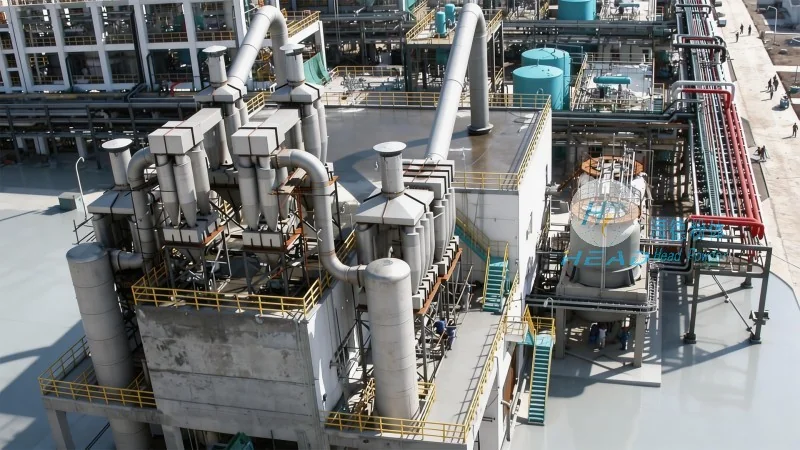
Metallurgical coal, also known as coking coal, is a vital raw material in the production of steel and other metallurgical products. The powder form of this coal is often used in blast furnaces and other industrial processes, requiring specialized handling to prevent dust generation and ensure consistent material flow. Effective conveyance systems must address challenges such as material variability, dust control, and the need for high-temperature resistance, as coal powder can be abrasive and reactive under certain conditions. Shandong HeadPowder Engineering Co., Ltd. specializes in designing and implementing conveyance systems tailored to the unique needs of metallurgical plants.
Several methods are commonly used to transport metallurgical coal powder, each with its own advantages and limitations. The selection of a method depends on factors like the plant's layout, the volume of material to be conveyed, the distance, and the specific requirements of the production process. Key methods include pneumatic conveying, mechanical conveying, and hybrid systems. These technologies are designed to meet the stringent demands of the metallurgical industry, ensuring durability and reliability in harsh operating conditions.
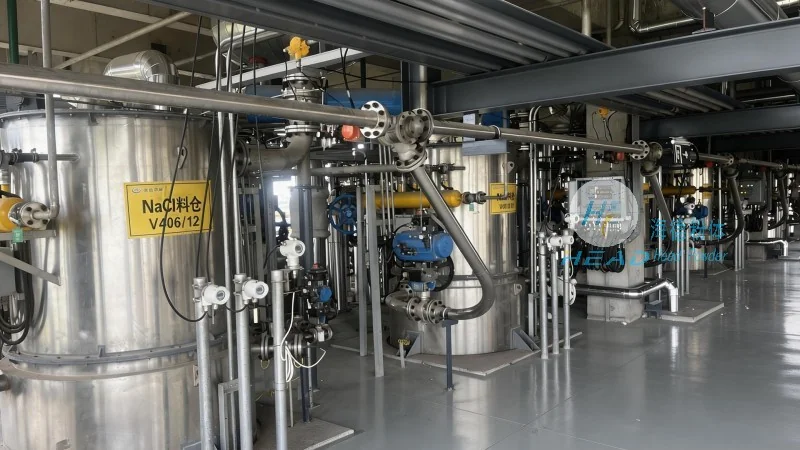
Pneumatic conveying is a widely adopted method for transporting coal powder due to its ability to handle fine particles and provide dust-free transport. This system uses air pressure to move the material through a pipeline. There are two main types of pneumatic conveying: pressure and vacuum. Pressure systems use compressed air to push the material forward, while vacuum systems use a vacuum to draw the material into the pipeline. Pneumatic conveyors are particularly effective for long-distance transport and can handle high volumes of material with minimal maintenance. They are ideal for applications where dust control is paramount, as the material remains enclosed within the system. Shandong HeadPowder Engineering Co., Ltd. offers advanced pneumatic solutions that incorporate high-efficiency filters and air management systems to minimize environmental impact.
Mechanical conveying methods, such as belt conveyors, screw conveyors, and bucket elevators, are also commonly used for metallurgical coal powder transport. Belt conveyors are ideal for horizontal or slightly inclined transport over long distances, providing a continuous and reliable flow of material. Screw conveyors are suitable for vertical or inclined transport and can handle bulk materials efficiently. Bucket elevators are used for vertical transport, often in combination with other conveying systems to move material between different levels of a plant. Mechanical systems are generally more cost-effective for short to medium distances and can handle larger particle sizes compared to pneumatic systems. They are robust and straightforward to maintain, making them a popular choice for many metallurgical plants. Shandong HeadPowder Engineering Co., Ltd. provides customized mechanical conveyors designed to withstand the abrasive nature of coal powder and ensure long service life.
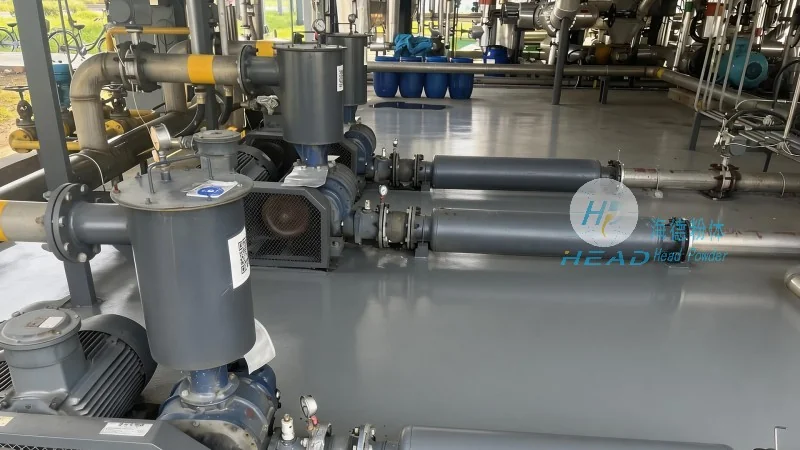
Hybrid systems combine pneumatic and mechanical conveying technologies to leverage the benefits of both approaches. For example, a system might use a pneumatic conveyor to transport coal powder from a storage silo to a mechanical conveyor that then delivers it to the processing unit. This approach allows for flexible material handling, as it can adapt to varying production demands and plant layouts. Hybrid systems are particularly useful in complex industrial environments where different sections of the plant require different transport methods. They offer improved efficiency and reduced operational costs by optimizing the use of each technology based on the specific requirements of the process. Shandong HeadPowder Engineering Co., Ltd. specializes in designing hybrid systems that integrate seamlessly with existing plant infrastructure.
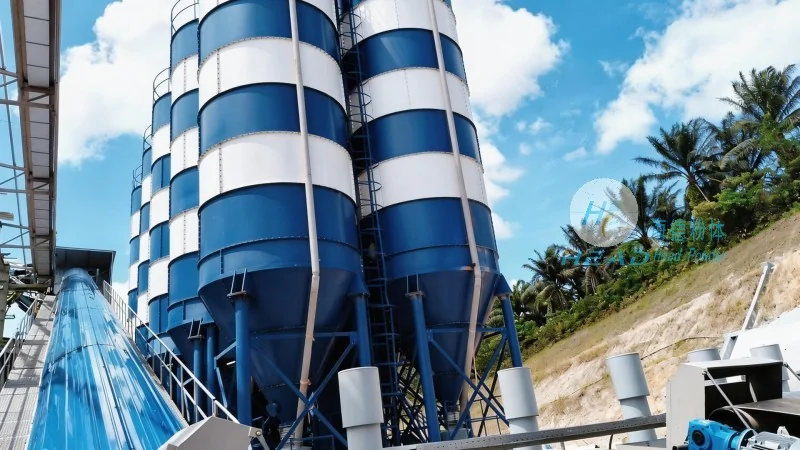
When selecting a conveyance method for metallurgical coal powder, several factors must be considered to ensure optimal performance. The first is the material's properties, including particle size, moisture content, and abrasiveness. These characteristics influence the choice of equipment and the design of the system. For example, highly abrasive coal may require more robust components in mechanical systems, while fine particles may necessitate specialized filters and air handling in pneumatic systems. The distance and layout of the plant are also critical, as different methods are better suited for specific distances and angles. Long-distance transport often favors pneumatic systems, while short-distance or vertical transport may be more efficiently handled by mechanical systems. Additionally, dust control and environmental regulations play a significant role, as many plants are required to minimize dust emissions. The cost of installation, operation, and maintenance is another key consideration, as it impacts the overall economic viability of the system. Companies must weigh the initial investment against long-term operational costs to make an informed decision. Shandong HeadPowder Engineering Co., Ltd. assists clients in evaluating these factors and selecting the most suitable conveyance method for their specific needs.
Metallurgical coal powder conveyance is a complex process that requires careful consideration of various factors to ensure efficient and safe material transport. Pneumatic, mechanical, and hybrid systems each offer unique advantages and are suitable for different applications. The choice of method depends on the specific needs of the plant, including the volume of material, distance, and environmental requirements. By selecting the appropriate conveyance system, metallurgical plants can improve operational efficiency, reduce costs, and enhance safety. As technology advances, new materials and designs are being developed to further optimize coal powder conveyance, ensuring that the industry continues to meet the demands of modern metallurgical production. Shandong HeadPowder Engineering Co., Ltd. remains committed to providing innovative and reliable coal handling solutions that support the success of metallurgical operations worldwide.

 Shandong Headpowder Engineering Co., Ltd.
 156-6277-7102(Manager Zhang)
  0531-83386006
  Zhangqiu District, Jinan City, Shandong Province, China
telephone
WeChatconsult
top