With more than 10‑year industry experience, Shandong Headpowder delivers full‑service pneumatic‑conveying systems and blowers, undertaking nationwide turn‑key powder‑handling projects.
Welcome to Shandong HeadPowder Engineering Co., Ltd., a leading provider of industrial solutions specializing in material handling systems. This article delves into the operation process and working principle of a material pneumatic conveying system designed for dust extraction stations, highlighting its efficiency and reliability in managing bulk materials.
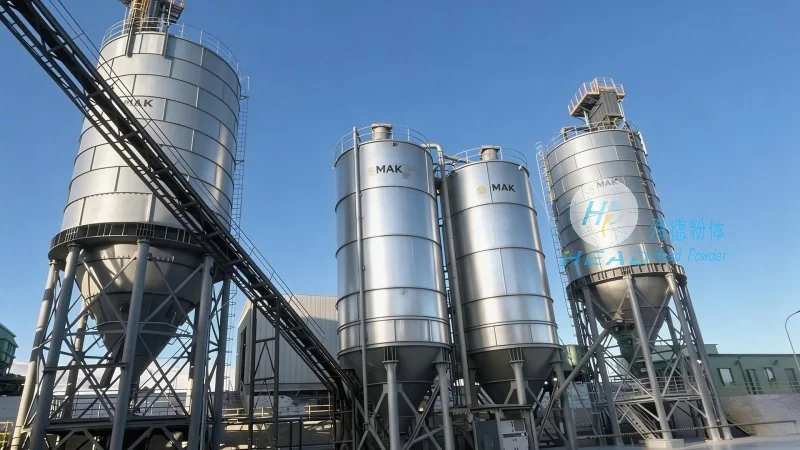
In industrial settings, dust extraction stations play a crucial role in maintaining air quality and ensuring safe material handling. The material pneumatic conveying system is an integral part of these stations, enabling the efficient transport of bulk materials from one location to another without the need for mechanical components like belts or buckets. This system is particularly valuable in environments where dust and particulate matter are prevalent, as it minimizes contamination and enhances operational safety.
The pneumatic conveying system for dust extraction stations typically consists of several key components that work in tandem to facilitate material transport. These components include a dust collector, a conveying line, a blower or air compressor, a control valve, and a discharge outlet. Each component is strategically designed to ensure optimal performance and minimal downtime. The dust collector is responsible for capturing airborne particles and directing them into the conveying line, while the blower generates the necessary air pressure to move the material through the system. The control valve regulates the flow of air and material, ensuring smooth and controlled transport. The discharge outlet allows the material to be deposited in the desired location, such as a storage silo or processing unit.
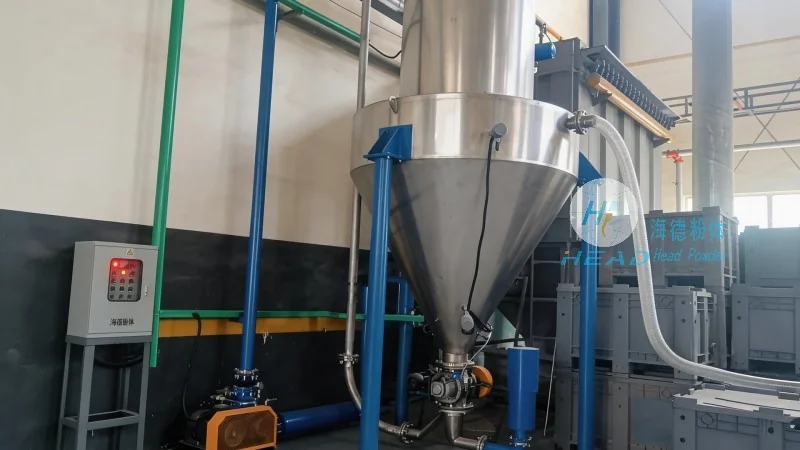
The operation process of the material pneumatic conveying system begins with the material being introduced into the dust collector, where it is captured from the air stream. The material is then drawn into the conveying line by the air pressure generated by the blower. As the material travels through the line, it is propelled forward by the moving air, maintaining a consistent flow rate. The control valve adjusts the air pressure and flow rate as needed to accommodate variations in material type and quantity. Upon reaching the discharge outlet, the material is deposited into the target container, completing the transport cycle. This process is typically automated, with sensors and controls monitoring the system to ensure continuous and efficient operation.
The working principle of the material pneumatic conveying system is based on the fundamental concept of using air as a medium to transport bulk materials. The system operates by creating a pressure differential between the inlet and outlet of the conveying line. The blower generates high-pressure air that enters the dust collector, where the material is entrained and carried through the line. The air velocity within the line is maintained at a level sufficient to keep the material suspended and moving. The system utilizes either positive or negative pressure, depending on the application, to ensure effective material transport. Positive pressure systems push the material through the line, while negative pressure systems draw it in. The choice of pressure type depends on factors such as material characteristics, distance to be conveyed, and system layout. The working principle ensures that the material is transported in a clean and controlled manner, minimizing the risk of dust dispersion and maintaining product integrity.
The material pneumatic conveying system offers several advantages over traditional mechanical conveying methods, making it an ideal choice for dust extraction stations. One of the primary benefits is its ability to handle a wide range of materials, including powders, granules, and fine particles, without causing contamination or degradation. The system is also highly flexible, allowing for changes in material flow rates and destinations without significant modifications. Additionally, the system is compact and requires minimal space, making it suitable for installations with limited room. The automated operation reduces the need for manual labor, enhancing safety and efficiency. Furthermore, the system is easy to maintain and clean, as it has fewer moving parts compared to mechanical systems. These advantages make the pneumatic conveying system a cost-effective and reliable solution for material handling in dust extraction stations.
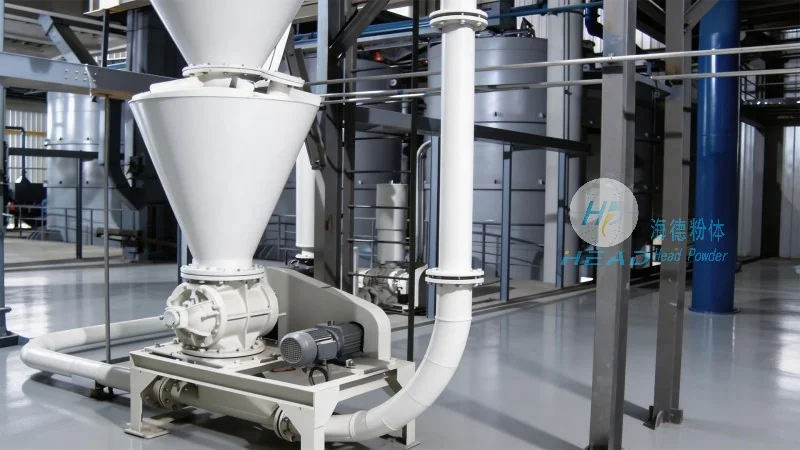
The material pneumatic conveying system is widely used in various industries where dust extraction and material transport are critical. These include the pharmaceutical, food processing, chemical, and mining industries. In the pharmaceutical industry, the system is used to transport powders and granules while maintaining strict hygiene standards. In food processing, it ensures that materials are handled in a clean and sanitary manner, preventing contamination. The chemical industry utilizes the system for transporting hazardous materials, while the mining industry uses it to move bulk minerals from extraction sites to processing facilities. The versatility of the system makes it suitable for a wide range of applications, contributing to its widespread adoption in industrial settings.
Shandong HeadPowder Engineering Co., Ltd. specializes in designing and manufacturing high-quality material pneumatic conveying systems for dust extraction stations. These systems are engineered to provide efficient, reliable, and safe material transport, meeting the demands of various industrial applications. By understanding the operation process and working principle of the system, users can optimize their material handling processes and enhance overall operational efficiency. The company's commitment to innovation and quality ensures that its products remain at the forefront of industrial material handling solutions.

 Shandong Headpowder Engineering Co., Ltd.
 156-6277-7102(Manager Zhang)
  0531-83386006
  Zhangqiu District, Jinan City, Shandong Province, China
telephone
WeChatconsult
top