With more than 10‑year industry experience, Shandong Headpowder delivers full‑service pneumatic‑conveying systems and blowers, undertaking nationwide turn‑key powder‑handling projects.
HeadPowder, a leading engineering firm based in Shandong, China, specializes in the design, installation, and maintenance of advanced pneumatic conveying systems tailored for bentonite handling. This article delves into the fundamental principles behind these systems and explores the diverse operational environments where they excel.
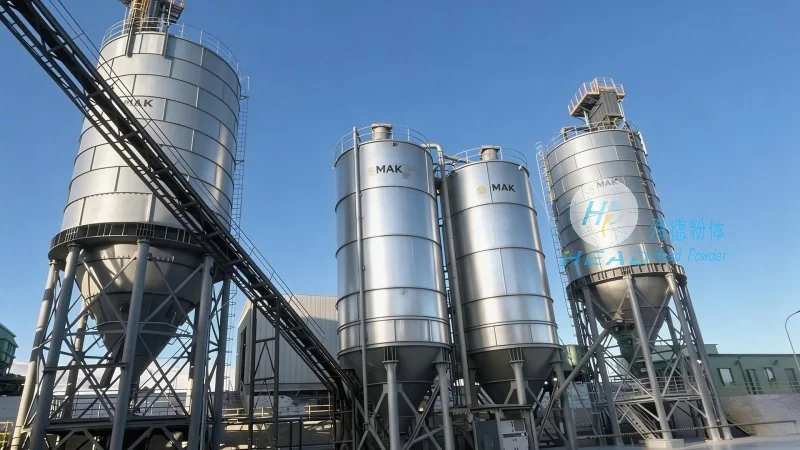
The operation of a bentonite pneumatic conveying system relies on the principles of fluidization and air movement to transport bulk materials. At its heart, the system uses a blower or compressor to generate a high-pressure air stream. This air stream is introduced into a hopper or storage silo containing the bentonite powder. As the air flows through the material, it creates a fluidized bed, transforming the solid particles into a semi-liquid or gas-like mixture. This fluidization allows the material to be drawn into the conveying pipeline under pressure, moving it from the source to the destination without the need for mechanical components like belts or buckets.
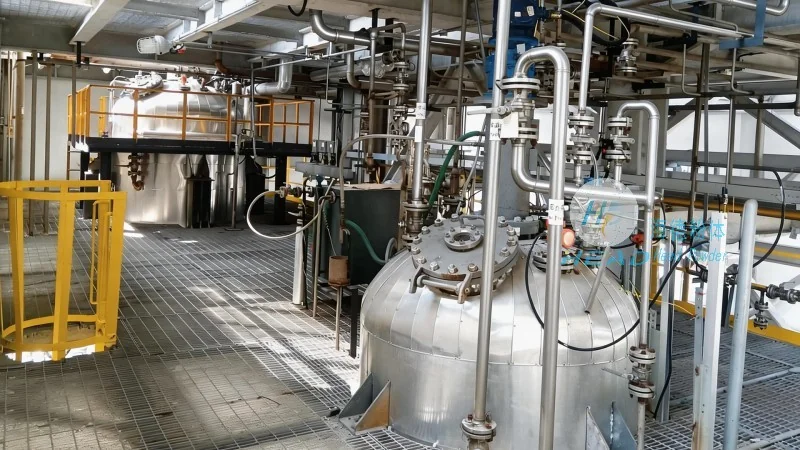
Key components of a typical bentonite pneumatic conveying system include the air supply unit (blower or compressor), the material hopper with a feeder mechanism, the conveying pipeline network, and the receiving vessel. The feeder, often a rotary valve or a venturi feeder, controls the flow rate of bentonite into the pipeline, ensuring consistent and controlled transport. The pipeline is designed with appropriate bends and fittings to minimize pressure loss and maintain the material's fluidized state. The receiving vessel, equipped with a dust collector or filter system, captures the bentonite at the end of the conveying line, preventing dust emissions and maintaining material integrity.
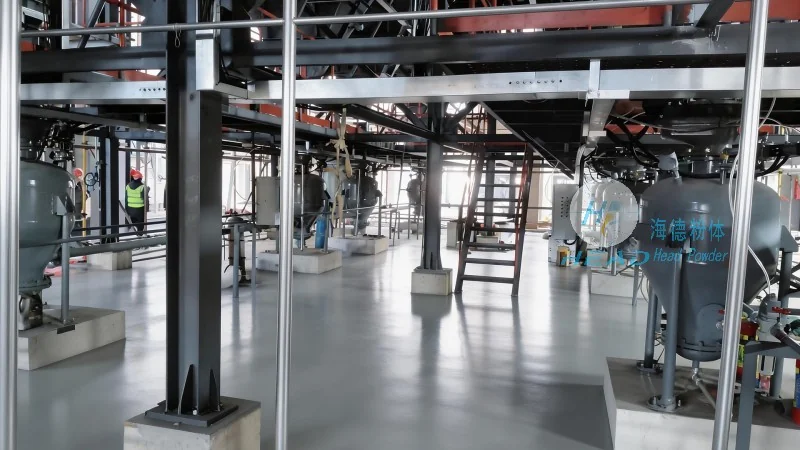
Bentonite, a natural clay mineral widely used in various industries such as oil drilling, paper manufacturing, and foundry casting, requires efficient and dust-free handling. The pneumatic conveying systems developed by HeadPowder are particularly suited for applications where traditional mechanical conveying methods are impractical or inefficient. These systems excel in environments where:
HeadPowder's bentonite pneumatic conveying systems have been successfully implemented in numerous industrial settings. For example, in oilfield operations, these systems efficiently transport bentonite slurries to drilling sites, ensuring consistent mud properties for optimal drilling performance. In the paper industry, they handle bentonite as a filler or coating material, delivering it to production lines with minimal dust and maximum efficiency. The benefits of using such systems extend beyond mere transport; they include reduced labor costs due to automated operation, lower maintenance requirements compared to mechanical systems, and improved safety by eliminating manual handling of bulk materials.
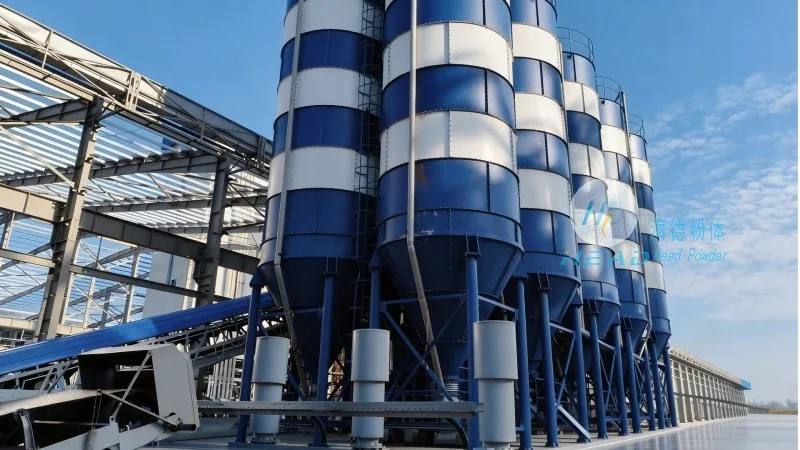
As a company headquartered in Shandong, China, HeadPowder Engineering Co., Ltd. continues to innovate in the field of pneumatic conveying technology. By combining advanced engineering solutions with a deep understanding of bentonite properties and industrial needs, HeadPowder provides customized solutions that meet the unique challenges of each application. The principles and working scene characteristics discussed here highlight the versatility and efficiency of bentonite pneumatic conveying systems, making them a preferred choice for industries seeking reliable, dust-free, and automated material handling solutions.

 Shandong Headpowder Engineering Co., Ltd.
 156-6277-7102(Manager Zhang)
  0531-83386006
  Zhangqiu District, Jinan City, Shandong Province, China
telephone
WeChatconsult
top