With more than 10‑year industry experience, Shandong Headpowder delivers full‑service pneumatic‑conveying systems and blowers, undertaking nationwide turn‑key powder‑handling projects.
High-calcium materials, such as limestone, quicklime, and calcium carbonate, are widely used in various industrial processes. The efficient and reliable transportation of these materials is crucial for optimizing production lines and ensuring operational stability. Pneumatic conveying systems have emerged as a preferred solution for handling high-calcium powders due to their ability to transport materials over long distances without the need for mechanical components like conveyors or elevators. This article explores the fundamental principles of high-calcium pneumatic conveying systems and highlights the key characteristics of their working environments, presented by Shandong HeadPowder Engineering Co., Ltd. (headpowder).
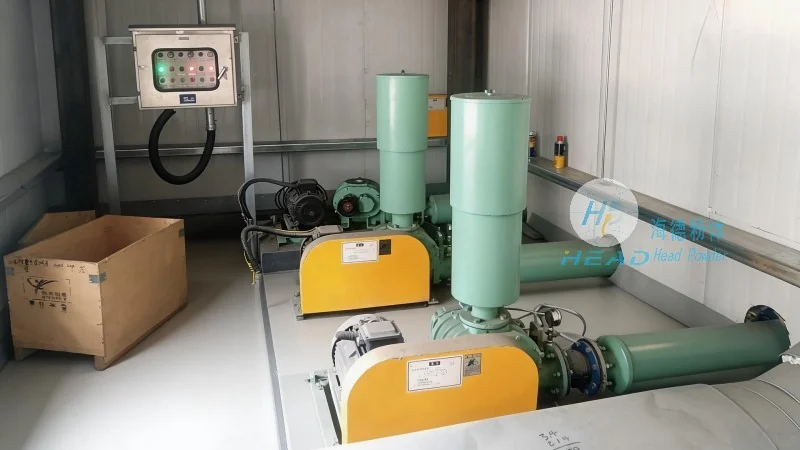
High-calcium pneumatic conveying systems utilize air or other gases to transport bulk materials through a pipeline network. The core principle involves creating a pressure differential between the material feed point and the discharge point, which propels the material particles along the pipeline. The system typically consists of a material hopper, a feeder, a conveying line, a dust collector, and a discharge device. The feeder controls the flow rate of the material into the conveying line, while the air compressor or blower generates the necessary air pressure to move the material. The dust collector ensures that fine particles are captured and returned to the system, maintaining material integrity and environmental compliance.
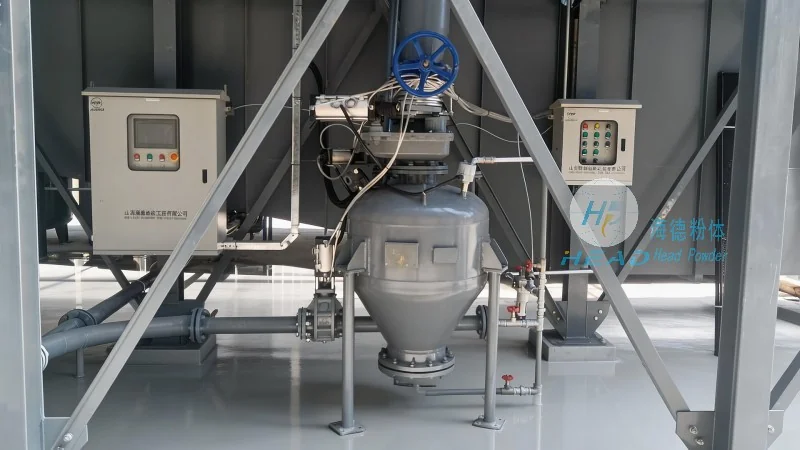
The working environment of high-calcium pneumatic conveying systems is characterized by several critical factors that influence system performance and efficiency. First, the material properties, such as particle size, moisture content, and density, play a significant role in determining the optimal conveying velocity and pressure. High-calcium materials often have high bulk density and can be abrasive, which requires the use of robust pipeline materials and components to prevent wear and tear. Second, the system's design must consider the distance and elevation changes between the feed and discharge points. For long-distance or multi-level applications, the pressure drop along the pipeline must be carefully calculated to ensure sufficient air pressure is maintained throughout the conveying process. Third, the presence of dust and fine particles necessitates effective filtration and collection systems to comply with environmental regulations and maintain air quality in the workplace. Additionally, the system's scalability is an important consideration, as it must be able to handle varying material feed rates and accommodate future expansion or changes in production requirements.
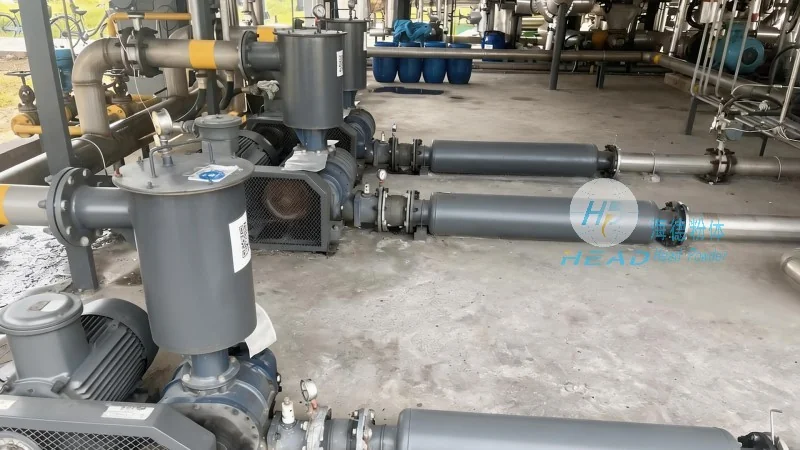
High-calcium pneumatic conveying systems are widely applied in industries such as cement production, chemical manufacturing, and food processing. In cement plants, these systems are used to transport limestone and other raw materials from storage silos to the grinding mills, where they are processed into clinker. The ability to convey these materials over long distances without the need for mechanical handling reduces the risk of material degradation and improves overall plant efficiency. In chemical plants, high-calcium materials are often used as reagents or raw materials for the production of calcium-based products, and pneumatic conveying ensures a safe and controlled transfer of these materials. The operational advantages of high-calcium pneumatic conveying systems include reduced labor costs, minimized material loss, and improved safety compared to traditional mechanical conveying methods. Furthermore, the system's ability to handle abrasive materials without significant wear reduces maintenance costs and extends the lifespan of the equipment.
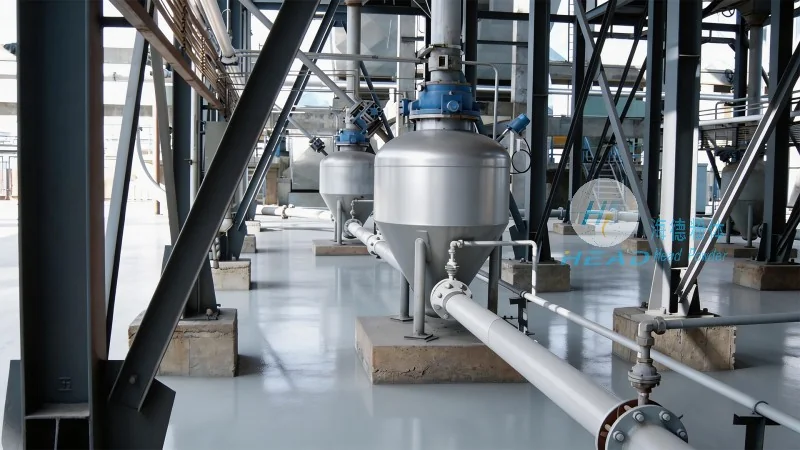
High-calcium pneumatic conveying systems represent a sophisticated and efficient solution for transporting bulk materials in industrial settings. By understanding the fundamental principles and working scene characteristics of these systems, manufacturers can optimize their operations and improve overall productivity. The robust design and operational flexibility of high-calcium pneumatic conveying systems make them a reliable choice for handling high-calcium materials, ensuring consistent performance and compliance with industry standards. As industrial processes continue to evolve, the demand for advanced material handling solutions will likely increase, and high-calcium pneumatic conveying systems will remain a critical component in the efficient operation of various industries.

 Shandong Headpowder Engineering Co., Ltd.
 156-6277-7102(Manager Zhang)
  0531-83386006
  Zhangqiu District, Jinan City, Shandong Province, China
telephone
WeChatconsult
top