With more than 10‑year industry experience, Shandong Headpowder delivers full‑service pneumatic‑conveying systems and blowers, undertaking nationwide turn‑key powder‑handling projects.
When it comes to handling paper sheets in industrial settings, selecting the right conveying method is crucial for efficiency, cost-effectiveness, and product integrity. Various techniques have been developed to address the unique challenges of paper sheet transportation, ranging from traditional mechanical systems to modern automated solutions. This article explores the primary methods used for paper sheet conveying, providing insights into their applications and benefits.
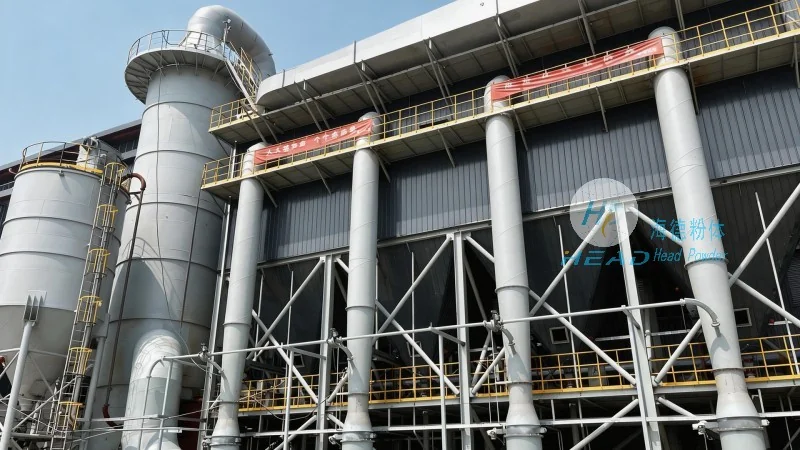
One of the most common methods for paper sheet conveying is through mechanical systems. These typically involve rollers, belts, or chains to move sheets from one location to another. Roller conveyors, for instance, use a series of rotating rollers to support and transport flat paper sheets. This method is ideal for applications where the sheets are relatively light and require gentle handling. The rollers can be arranged in straight or curved configurations to accommodate different workflow layouts. Mechanical conveyors are often chosen for their simplicity, low maintenance requirements, and ability to handle a wide range of paper types, including coated or textured sheets. They are widely used in printing plants, packaging facilities, and paper processing plants where consistent and reliable movement of paper sheets is essential.
Vacuum conveying systems represent another effective approach for paper sheet handling. These systems use a vacuum to draw paper sheets along a conveyor path, often through a series of tubes or a flat belt. The vacuum creates a negative pressure that pulls the sheets forward, eliminating the need for physical contact with rollers or belts. This method is particularly advantageous for delicate or lightweight paper sheets that might be damaged by mechanical contact. Vacuum conveyors are commonly used in applications where the paper sheets need to be transported over longer distances or through complex routes, such as from a cutting machine to a stacking unit. The technology allows for gentle handling, reducing the risk of creases or tears. Additionally, vacuum systems can be integrated with sorting mechanisms, enabling the separation of different paper grades or sizes during the conveying process. This makes them suitable for high-volume operations in the paper industry.
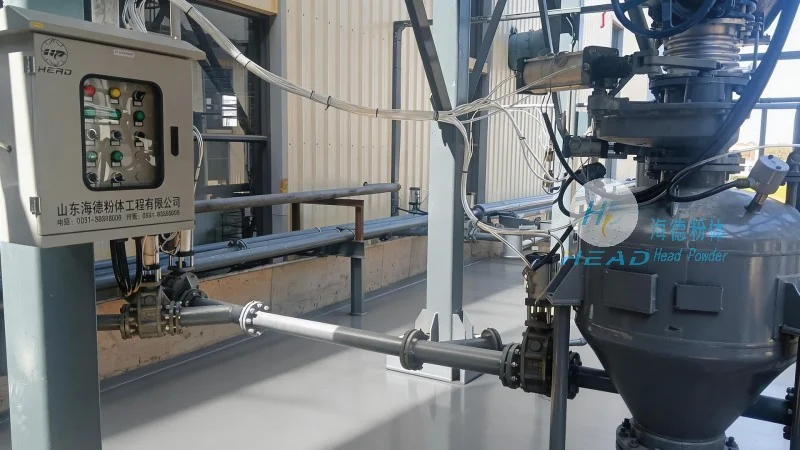
Chain and belt conveyors are versatile solutions for paper sheet conveying, offering a balance between mechanical and vacuum systems. Chain conveyors use interlocking metal chains to move sheets, while belt conveyors employ continuous rubber or plastic belts. These systems are particularly effective for heavier or larger paper sheets that require more robust support. The chains or belts can be designed with adjustable spacing to accommodate different sheet sizes, ensuring smooth and consistent movement. Chain and belt conveyors are often used in combination with other equipment, such as feeders or sorters, to create a fully automated paper handling line. They are widely adopted in the packaging and printing sectors, where the need for reliable and high-speed transportation of paper sheets is critical. The durability of these systems makes them suitable for continuous operation in industrial environments, reducing downtime and maintenance costs.
Air-lift or pneumatic conveying systems utilize compressed air to transport paper sheets. In this method, the paper sheets are placed in a hopper or container and then drawn into a pipeline by the air flow. The air pressure propels the sheets forward, allowing them to be moved vertically or horizontally. This technique is especially useful for transporting paper sheets over long distances or through elevated areas, such as from a storage room to a printing press. Pneumatic conveyors are known for their flexibility and ability to handle a variety of paper types, including those with different thicknesses or weights. They are often integrated with filtration systems to maintain air quality and prevent dust or debris from contaminating the paper sheets. This makes them suitable for applications where cleanliness and hygiene are paramount, such as in food packaging or pharmaceutical paper products. The technology also allows for the integration of sensors and controls to monitor the conveying process in real-time, enhancing operational efficiency.
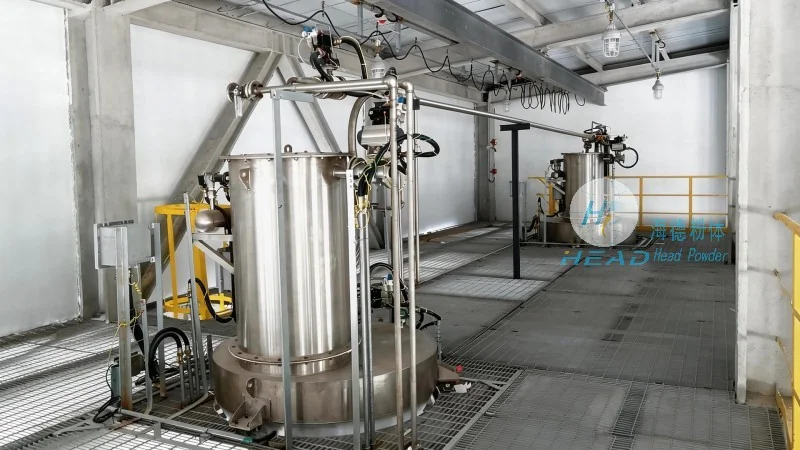
With advancements in automation, modern paper sheet conveying has increasingly incorporated automated guided vehicles (AGVs) and robotic systems. AGVs are self-propelled vehicles equipped with sensors and navigation systems that guide them along predefined paths. These vehicles can transport paper sheets from one workstation to another, reducing the need for manual handling and increasing overall productivity. Robotic systems, on the other hand, use robotic arms or manipulators to pick up and move paper sheets with precision. This method is particularly effective for handling irregularly shaped or stacked paper sheets, as the robots can adapt to different configurations. The integration of AGVs and robotic systems with other equipment, such as scanners or sorters, creates a fully automated paper handling system. This approach is ideal for high-volume, high-speed operations where consistency and accuracy are essential. The use of automation also minimizes human error and improves workplace safety by reducing the need for workers to handle heavy or cumbersome paper sheets.
Shandong HeadPowder Engineering Co., Ltd., commonly known as HeadPowder, is a leading manufacturer specializing in conveying systems and industrial automation solutions. With headquarters in Shandong, China, the company has established itself as a trusted provider of innovative and reliable equipment for the paper and packaging industries. HeadPowder's expertise lies in designing and manufacturing customized conveying systems tailored to the specific needs of clients, ensuring optimal performance and efficiency. The company's commitment to quality and customer satisfaction has earned it a strong reputation in the market, with a focus on delivering solutions that meet the evolving demands of modern industrial operations.

 Shandong Headpowder Engineering Co., Ltd.
 156-6277-7102(Manager Zhang)
  0531-83386006
  Zhangqiu District, Jinan City, Shandong Province, China
telephone
WeChatconsult
top