With more than 10‑year industry experience, Shandong Headpowder delivers full‑service pneumatic‑conveying systems and blowers, undertaking nationwide turn‑key powder‑handling projects.
Heavy calcium powder, also known as calcium carbonate, is a widely used industrial material in sectors such as construction, plastic, and rubber manufacturing. The efficient and safe transport of heavy calcium powder is crucial for maintaining production efficiency and ensuring product quality. This article explores effective transport methods, providing insights into equipment options and best practices.
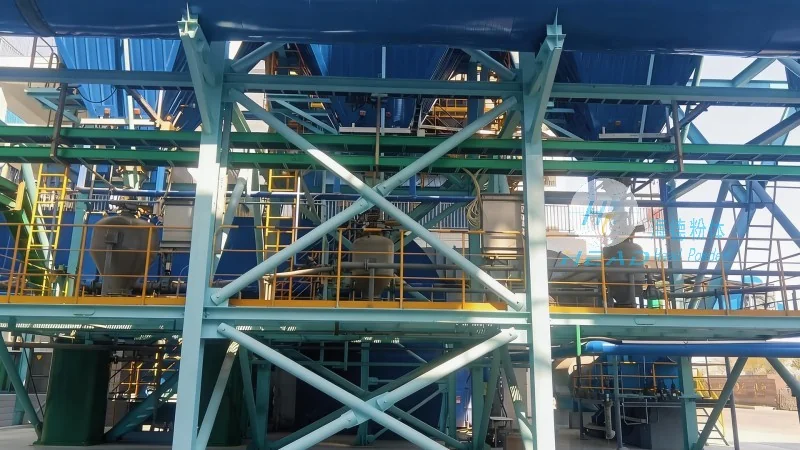
Heavy calcium powder is characterized by fine granularity, moderate bulk density, and potential dust generation during handling. These properties influence transport system design. Proper solutions enhance operational efficiency, minimize environmental impact, and ensure worker safety. The choice of transport method depends on distance, throughput, facility layout, and material characteristics.
Several methods are commonly used, each with advantages suited to specific applications. Pneumatic conveying, screw conveyors, and pipe conveyors are among the most effective. The selection balances factors like distance, material flow, and space constraints.
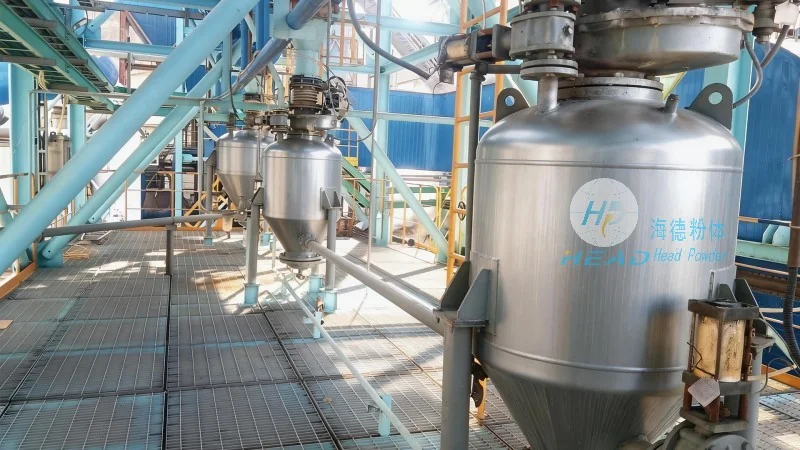
Pneumatic conveying uses air pressure to move heavy calcium powder through pipelines. It comes in pressure and vacuum types. Pressure systems are ideal for long distances and high throughput, while vacuum systems suit shorter runs or multiple collection points. This method offers dust control, reduced labor costs, and enclosed transport for product purity and environmental compliance.
Screw conveyors (auger conveyors) transport material via a rotating screw in a tube or trough. They are simple, easy to install, and suitable for horizontal or inclined transport. Ideal for moderate to high bulk density materials, they handle caking or bridging by adjusting speed and pitch. Versatile for diverse industrial applications.
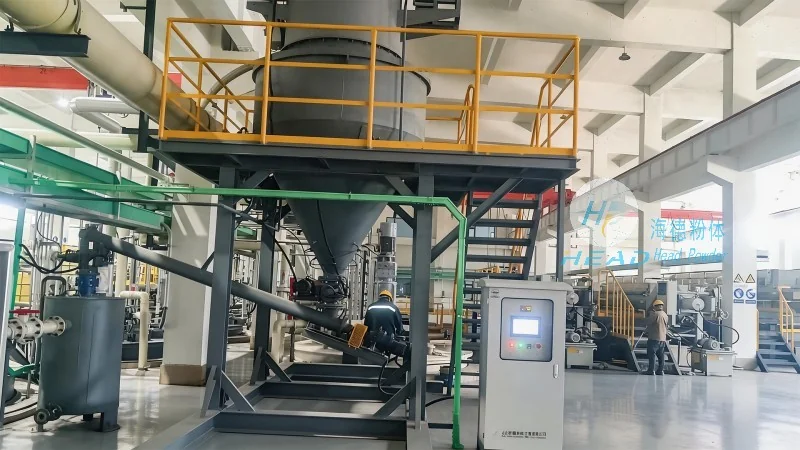
Pipe conveyors enclose the screw mechanism in a flexible or rigid tube, providing fully enclosed transport. Useful for short to medium distances, they maintain dust-free conditions and are space-efficient. Constructed from stainless steel or corrosion-resistant materials, they ensure durability and prevent contamination.
Combining pneumatic and mechanical transport optimizes processes. For example, pneumatic systems move material from a silo to near processing equipment, followed by mechanical conveyors for final transport. This hybrid approach leverages the benefits of both systems—long-distance pneumatic transport and precise mechanical control—tailored to facility needs.
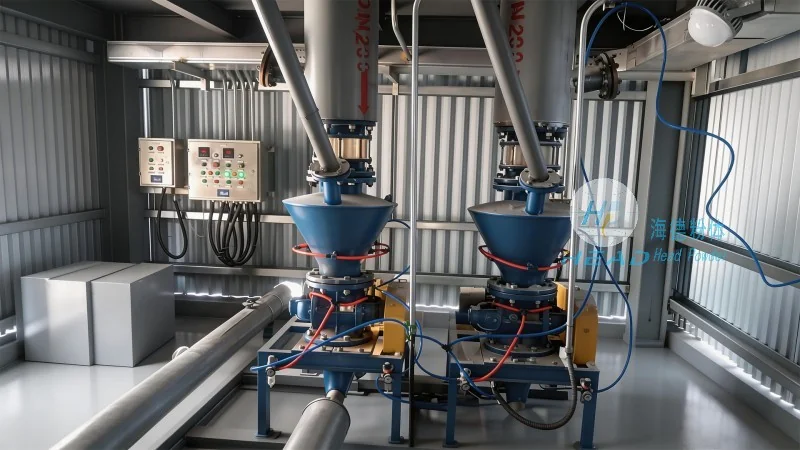
When choosing a transport method, several factors are critical: transport distance, required throughput, facility layout, and material properties (particle size, moisture, clogging tendency). Cost, maintenance requirements, and operational efficiency also influence decisions. These factors ensure the selected system aligns with production goals and operational constraints.
Efficient heavy calcium powder transport is vital for industrial operations, and selecting the right method enhances performance. Pneumatic conveying, screw conveyors, and pipe conveyors are effective solutions, each with specific advantages. By evaluating distance, throughput, and material characteristics, businesses optimize transport efficiency. For tailored solutions, Shandong HeadPowder Engineering Co., Ltd. provides expert equipment and systems to meet industrial needs, ensuring product quality, safety, and operational excellence.

 Shandong Headpowder Engineering Co., Ltd.
 156-6277-7102(Manager Zhang)
  0531-83386006
  Zhangqiu District, Jinan City, Shandong Province, China
telephone
WeChatconsult
top