With more than 10‑year industry experience, Shandong Headpowder delivers full‑service pneumatic‑conveying systems and blowers, undertaking nationwide turn‑key powder‑handling projects.
Shandong HeadPowder Engineering Co., Ltd., a leading provider in the field of material handling solutions, specializes in advanced air-pneumatic conveying systems tailored for challenging applications such as the transport of furfural residue and ash materials. With a strong commitment to efficiency and reliability, the company has developed innovative technologies that address the unique characteristics of these industrial byproducts, ensuring safe and effective material transport in various industrial settings. This article explores the operating process and working principle of air-pneumatic conveying for furfural residue and ash materials, highlighting the technical aspects and practical applications of this critical process.
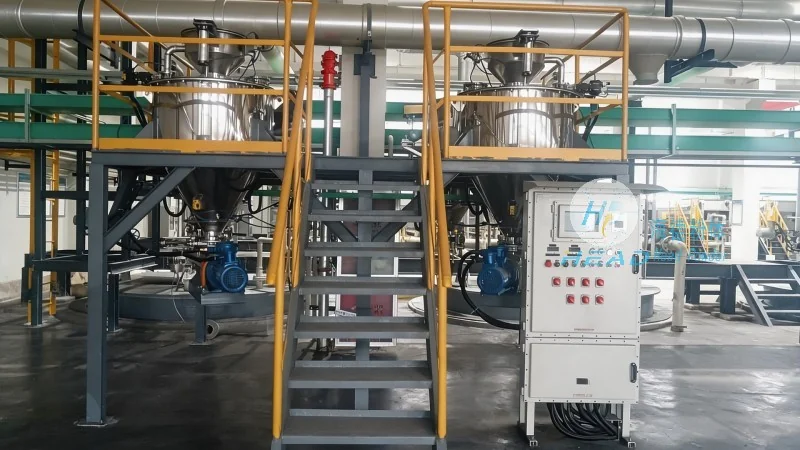
Air-pneumatic conveying, also known as pneumatic transport, is a method of transporting bulk materials through a pipeline using a stream of air. This technology is widely used in industries dealing with powders, granules, and other particulate materials, offering advantages such as flexibility, low maintenance, and the ability to handle materials in a closed system, which enhances safety and reduces environmental impact. For furfural residue and ash materials, which often present challenges like high moisture content, abrasive properties, or varying particle sizes, specialized conveying systems are essential to maintain efficiency and prevent equipment wear.
The operation of air-pneumatic conveying for furfural residue and ash materials involves several key steps designed to ensure smooth and continuous material transport. The process begins with the loading of the material into a hopper or feeder, where it is prepared for introduction into the conveying line. The material is then fed into the pipeline using a positive displacement blower or a rotary airlock, which generates the necessary air pressure to move the material. As the air flows through the pipeline, it entrains the material particles, creating a slurry-like mixture that travels from the source to the destination point. The conveying system typically includes components such as in-line mixers, cyclone separators, and dust collectors to maintain material flow and prevent blockages. The process concludes with the material being discharged at the receiving end, where it is collected and prepared for further processing or disposal.
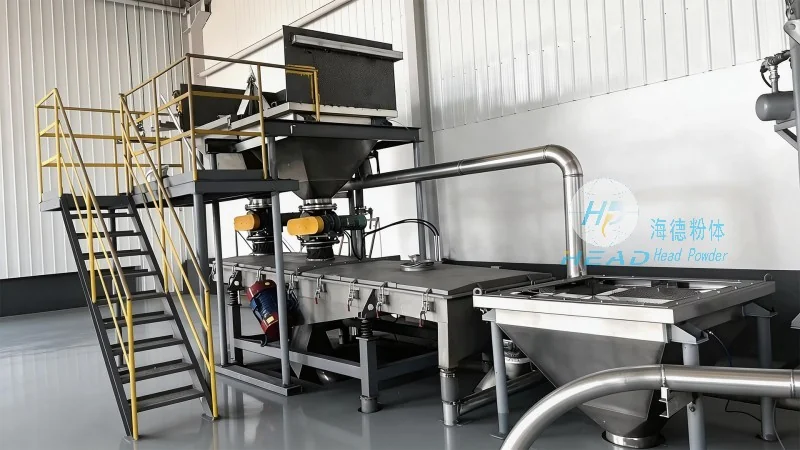
The core principle behind air-pneumatic conveying is the use of differential pressure to move material through a pipeline. The system operates by creating a pressure differential between the inlet and outlet of the conveying line. The blower or compressor generates high-pressure air, which is introduced into the pipeline at the loading point. This high-pressure air creates a low-pressure zone downstream, drawing the material particles into the air stream. The combination of air velocity and particle size determines the conveying velocity, with larger or heavier particles requiring higher air velocities to maintain flow. The system also incorporates control mechanisms, such as pressure sensors and flow meters, to monitor and adjust the conveying parameters in real-time, ensuring optimal performance and preventing system failures.
Several critical components work together to ensure the efficient operation of air-pneumatic conveying for furfural residue and ash materials. The primary components include the air source (blower or compressor), the conveying pipeline, the material feeder (hopper or rotary airlock), and the separation equipment (cyclone or filter). The air source provides the necessary pressure and volume of air to move the material. The conveying pipeline, usually made of stainless steel or other corrosion-resistant materials, is designed to withstand the abrasive nature of the furfural residue and ash. The material feeder ensures a consistent flow of material into the pipeline, preventing surges or blockages. The separation equipment, such as cyclone separators, removes the material from the air stream at the receiving end, allowing the air to be recirculated or vented. Additionally, the system may include in-line mixers to prevent material segregation and maintain a uniform mixture throughout the conveying process.
Implementing air-pneumatic conveying for furfural residue and ash materials offers several significant advantages over traditional methods like belt conveyors or bucket elevators. One of the main benefits is the ability to handle materials in a closed system, which minimizes dust emissions and protects the environment. This is particularly important for furfural residue and ash, which can be hazardous if released into the air. The system also provides high flexibility, as it can be easily reconfigured to accommodate changes in material flow rates or destination points. Additionally, air-pneumatic conveying reduces labor costs by automating the material transport process and minimizing the need for manual handling. The technology also offers low maintenance requirements, as the components are designed to withstand the abrasive nature of the materials, reducing the frequency of repairs and replacements.
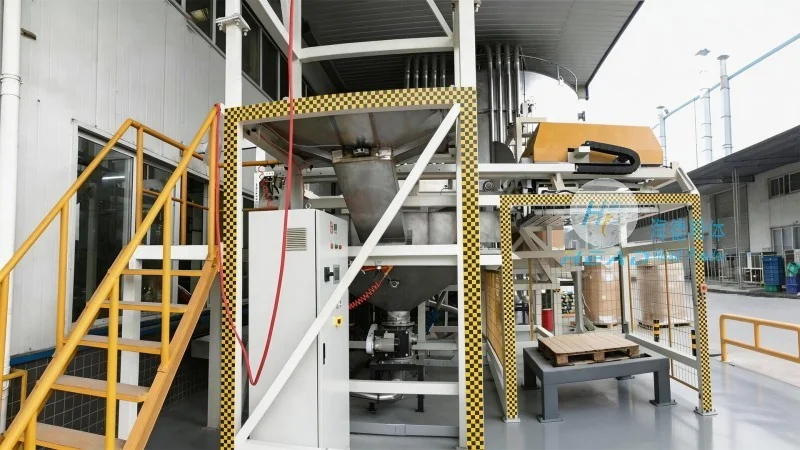
Air-pneumatic conveying systems are widely used in various industries that generate furfural residue and ash, including the chemical, pharmaceutical, and agricultural sectors. In the chemical industry, furfural is produced as a byproduct of the wood pulp and paper industry, and the residue from furfural production often requires efficient transport to processing facilities or disposal sites. The pharmaceutical industry also benefits from air-pneumatic conveying, as it allows for the safe and hygienic transport of ash and residue from waste incineration processes. In the agricultural sector, furfural residue from biomass processing can be transported using these systems to be used as a raw material for other products or disposed of properly. The versatility of air-pneumatic conveying makes it an ideal solution for these industries, providing a reliable and efficient method for handling challenging materials.
Shandong HeadPowder Engineering Co., Ltd. has demonstrated expertise in developing and implementing air-pneumatic conveying systems for furfural residue and ash materials. By understanding the unique characteristics of these industrial byproducts and designing specialized systems, the company ensures that material transport is efficient, safe, and environmentally friendly. The operating process and working principle of air-pneumatic conveying, as outlined in this article, highlight the technical sophistication and practical benefits of this technology. As industries continue to seek innovative solutions for material handling, air-pneumatic conveying remains a critical technology for transporting furfural residue and ash materials effectively. With its ability to handle challenging materials and provide reliable performance, this technology continues to be a cornerstone of modern industrial operations.

 Shandong Headpowder Engineering Co., Ltd.
 156-6277-7102(Manager Zhang)
  0531-83386006
  Zhangqiu District, Jinan City, Shandong Province, China
telephone
WeChatconsult
top