

The Operation Process and Working Principle of Steel Sand Powder Pneumatic Conveying
Steel sand powder pneumatic conveying is a critical technology in material handling, particularly for transporting abrasive and high-density materials like steel sand. This method utilizes air as the conveying medium to move bulk materials through a pipeline system, offering advantages such as reduced equipment wear, improved safety, and enhanced process efficiency. Understanding the operation process and working principle of this system is essential for optimizing industrial applications and ensuring reliable material transport.
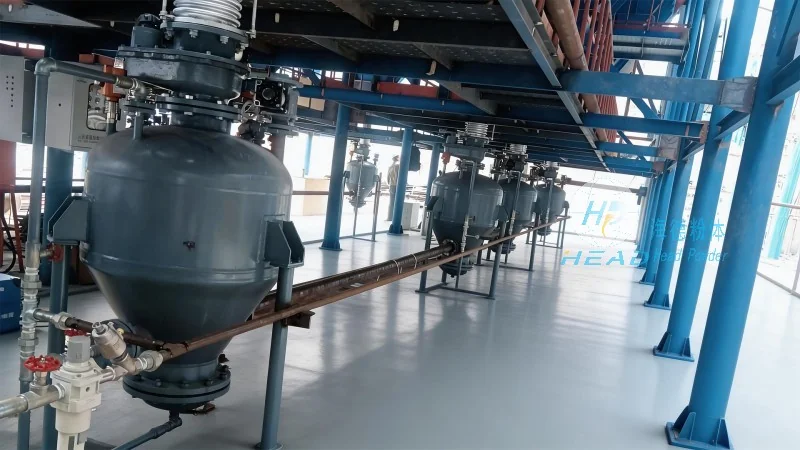
Overview of Steel Sand Powder Pneumatic Conveying
Steel sand, a key component in various manufacturing processes including foundry and metalworking, requires efficient and reliable transport methods. Pneumatic conveying systems provide a solution by leveraging compressed air to move steel sand particles through a network of pipes. This approach minimizes manual handling, reduces the risk of dust exposure, and maintains consistent material flow rates. The effectiveness of the system depends on several factors, including the design of the conveying line, the type of air flow (positive or negative pressure), and the characteristics of the steel sand being transported.
The Operation Process of Steel Sand Powder Pneumatic Conveying
The operation process of a steel sand powder pneumatic conveying system involves several key steps. Initially, the steel sand is loaded into a hopper or storage bin. From there, the material is fed into the conveying line via a rotary valve or feeder. Compressed air is then introduced into the system, creating a flow that propels the steel sand particles through the pipeline. The air flow can be either positive pressure, where air pushes the material forward, or negative pressure, where air is drawn through the system, pulling the material along. The conveying line may include components such as bends, elbows, and filters to ensure smooth transport and prevent material buildup or blockages. At the destination, the steel sand is discharged into a collection bin or processing equipment. The entire process is typically automated, with controls that regulate air pressure, flow rate, and material feed to maintain consistent performance.
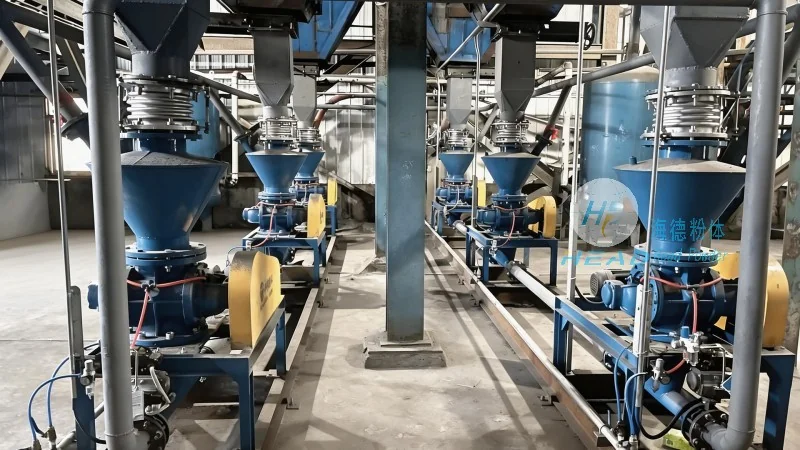
Working Principle of Steel Sand Powder Pneumatic Conveying
The working principle of steel sand powder pneumatic conveying is based on the interaction between the material particles and the air stream. In positive pressure systems, high-pressure air is introduced at the inlet, creating a high-velocity flow that entrains the steel sand particles. The air velocity must be sufficient to overcome the gravitational forces and frictional resistance of the particles, ensuring they remain suspended and move through the pipeline. The design of the conveying line, including pipe diameter and length, is critical to maintaining the required air velocity and pressure drop. In negative pressure systems, a vacuum is created at the discharge end, drawing the steel sand particles into the system. The air flow in this case is directed from the inlet to the outlet, with the vacuum pulling the material along. Both systems rely on the principle of fluidization, where the air flow creates a fluid-like environment for the particles, allowing them to be transported efficiently. The efficiency of the system is also influenced by the particle size, density, and moisture content of the steel sand, as these factors affect the air requirements and conveying capacity.
Key Components and Their Roles
A steel sand powder pneumatic conveying system consists of several essential components, each playing a crucial role in the overall operation. The hopper or storage bin is where the steel sand is stored and prepared for transport. It is typically equipped with a level indicator to monitor the material volume. The feeder, often a rotary valve or screw feeder, controls the rate at which steel sand is introduced into the conveying line, ensuring a consistent flow. The compressor or air source provides the necessary compressed air, with pressure and flow rates tailored to the system's requirements. The conveying line, made of durable materials such as stainless steel or plastic, transports the steel sand and air mixture. It includes components like bends, elbows, and filters to maintain system integrity and prevent material deposition. The filter or cyclone separator at the discharge end separates the steel sand from the air, allowing the air to be recycled or vented, and the steel sand to be collected. The control system manages the operation of all components, adjusting air pressure, flow rate, and feeder speed to optimize performance and prevent system failures.
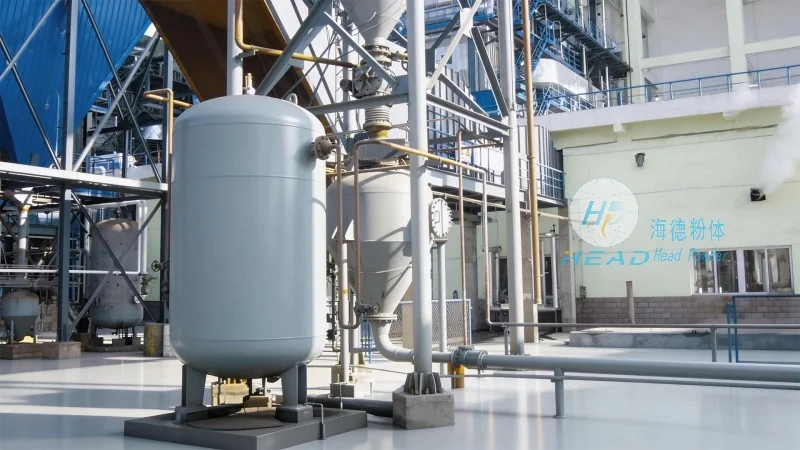
Advantages and Applications
Steel sand powder pneumatic conveying offers several advantages over traditional material handling methods. It reduces equipment wear by eliminating mechanical contact between the steel sand particles and the conveying equipment. This is particularly important for abrasive materials like steel sand, which can cause significant wear on traditional conveyor belts or buckets. The system also enhances safety by minimizing dust exposure and the risk of manual handling accidents. Additionally, pneumatic conveying allows for flexible and compact system designs, as the conveying line can be installed in various configurations to fit industrial spaces. The technology is widely used in applications such as foundry sand handling, metalworking, and recycling processes, where the efficient transport of steel sand is critical to production efficiency. The ability to handle high volumes of material at consistent flow rates makes it suitable for both small-scale and large-scale industrial operations.
About Shandong HeadPowder Engineering Co., Ltd.
Shandong HeadPowder Engineering Co., Ltd., operating under the brand name headpowder, is a leading provider of advanced material handling solutions. Based in Shandong, China, the company specializes in designing, manufacturing, and supplying pneumatic conveying systems tailored to the needs of various industries. With a focus on innovation and quality, headpowder offers customized solutions for steel sand and other abrasive materials, ensuring reliable and efficient material transport. The company's expertise in system design and engineering enables it to deliver solutions that meet the specific requirements of clients, from small-scale operations to large industrial facilities. By leveraging advanced technology and rigorous testing, headpowder ensures that its pneumatic conveying systems are durable, efficient, and compliant with industry standards. The company's commitment to customer satisfaction and technical excellence has established it as a trusted partner in the material handling industry.