With more than 10‑year industry experience, Shandong Headpowder delivers full‑service pneumatic‑conveying systems and blowers, undertaking nationwide turn‑key powder‑handling projects.
Pneumatic conveying systems are widely used in industrial applications for the efficient transfer of bulk materials from one location to another. Among these systems, bulk bag material pneumatic conveying stands out due to its ability to handle large volumes of material while maintaining a clean and controlled environment. This method is particularly advantageous for transporting powders, granules, and other dry bulk materials, offering advantages such as reduced dust generation, minimal product contamination, and enhanced safety compared to traditional methods like belt conveyors or manual handling.
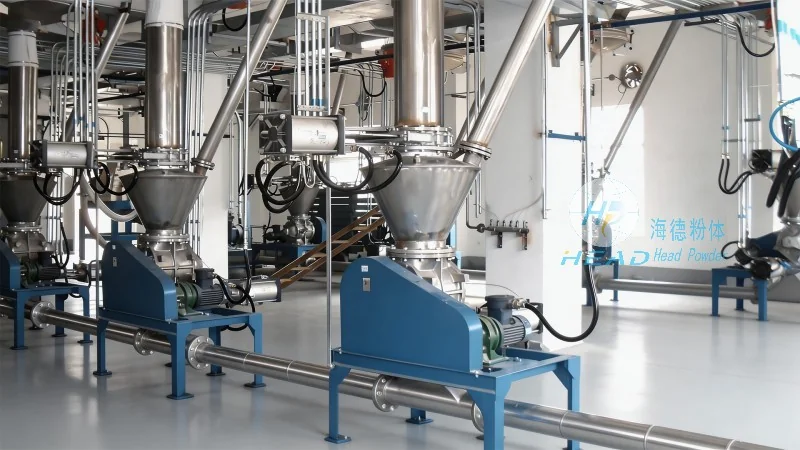
The core of bulk bag material pneumatic conveying lies in the use of air as the conveying medium. The process typically involves several key components: a bulk bag (also known as a super sack or flexible container), a hopper or feeder, a blower or air compressor, and a discharge outlet. The working principle can be broken down into the following steps:
1. Material Loading: The bulk bag is first placed on a hopper or a dedicated loading platform. The material to be conveyed is then poured or loaded into the bag through the top opening. This step ensures that the material is contained within the bag, preventing spillage and maintaining a clean workspace.
2. Air Intake and Compression: Once the bag is filled, the system activates the blower or air compressor. This device generates a flow of air that is directed into the bag through a spout or inlet. The air pressure inside the bag increases, creating a pressure differential between the interior and exterior of the bag.
3. Material Suspension and Conveyance: As the air pressure builds, it lifts the material inside the bag, causing it to become suspended in the air stream. The air then carries the material through the conveying line to the discharge point. The material is transported in a fluidized state, which minimizes friction and allows for smooth movement.
4. Discharge and Collection: At the receiving end, the air flow is adjusted to reduce pressure, causing the material to settle out of the air stream and fall into the designated container or storage area. The bulk bag is then emptied, and the cycle repeats.
Several critical components work in tandem to ensure the efficient operation of bulk bag material pneumatic conveying systems:
Bulk Bag (Super Sack): This flexible container is designed to hold large quantities of material (typically ranging from 500 kg to several tons). It is made from durable materials like polypropylene or nylon, ensuring strength and resistance to punctures. The bag features a top opening for loading and a discharge spout for emptying.
Hopper or Feeder: The hopper serves as the loading platform for the bulk bag, providing a stable base and ensuring proper alignment of the bag during the loading process. It may also include a gate or valve to control the flow of material into the bag.
Blower or Air Compressor: The blower is the heart of the system, responsible for generating the air pressure needed to convey the material. It can be a positive displacement blower or a centrifugal fan, depending on the system requirements. The air compressor provides a continuous flow of compressed air, ensuring consistent performance.
Conveying Line: The air and material travel through a pipeline made of materials such as stainless steel or PVC. The line is designed to withstand the pressure and temperature of the conveying process and to minimize friction losses.
Discharge Outlet: The receiving end of the system, where the material is deposited. This may include a hopper, silo, or other storage vessel. The outlet is typically equipped with a valve or gate to control the flow of material out of the line.
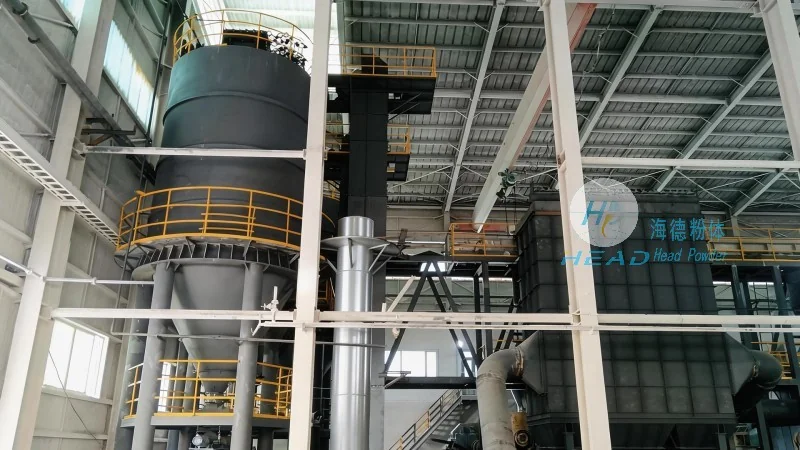
The operation of a bulk bag material pneumatic conveying system follows a systematic process that ensures efficiency and safety. Here is a detailed breakdown of the steps involved:
1. Preparation: The bulk bag is placed on the hopper, and the system is checked for proper alignment and functionality. The blower is turned off, and the air line is connected to the bag's inlet.
2. Loading: The material is poured or loaded into the bag through the top opening. The loading process is monitored to ensure the bag is not overfilled, which could lead to pressure buildup or material spillage.
3. Sealing: Once the bag is filled to the desired level, the top opening is sealed using a closure system, such as a tie or a valve. This prevents air from escaping and maintains the pressure inside the bag.
4. System Activation: The blower is turned on, and the air flow is adjusted to the appropriate pressure. The system is then started, and the material begins to be conveyed.
5. Conveyance: The material is transported through the pipeline to the discharge outlet. The air flow is maintained at a consistent rate to ensure smooth and continuous movement.
6. Discharge: At the receiving end, the air pressure is reduced, causing the material to settle out of the air stream and fall into the container. The discharge process is controlled to prevent overfilling or spillage.
7. Cycle Completion: After the bulk bag is emptied, the system is shut down, and the bag is removed for cleaning or replacement. The cycle then repeats for the next batch of material.
Bulk bag material pneumatic conveying offers several advantages over traditional material handling methods:
Efficiency and Speed: The system can transport large volumes of material quickly and efficiently, reducing downtime and increasing productivity.
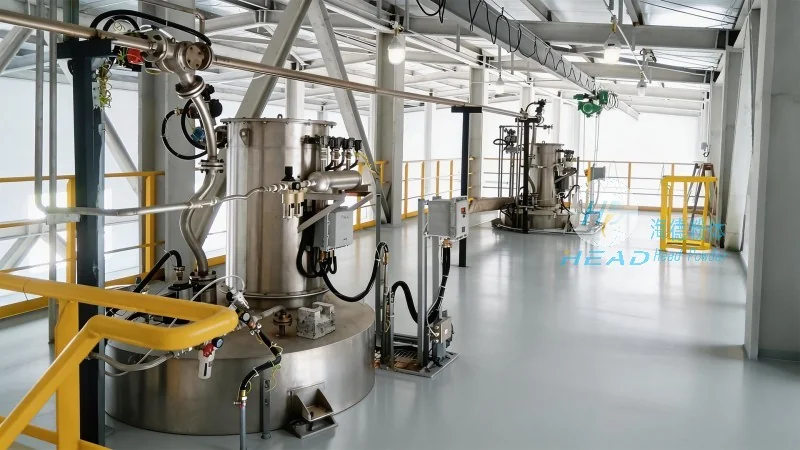
Cleanliness and Hygiene: The enclosed system minimizes dust generation and product contamination, making it suitable for handling food-grade or pharmaceutical materials.
Space Savings: The flexible nature of the bulk bag allows for compact storage and transportation, saving space in warehouses and during transit.
Reduced Labor Costs: Automated systems reduce the need for manual labor, lowering labor costs and improving safety.
Environmental Benefits: The system reduces the need for packaging materials and minimizes waste, contributing to a more sustainable operation.
Bulk bag material pneumatic conveying is widely used in various industries, including:
Pharmaceuticals and Food Processing: For handling powders and granules that require strict hygiene and contamination control.
Chemical Manufacturing: For transporting bulk chemicals, including those that are hazardous or require controlled environments.
Mineral and Mining: For conveying raw materials such as ores, coal, and minerals from storage to processing facilities.
Plastics and Polymers: For handling plastic resins and other bulk materials used in manufacturing.
Construction Materials: For transporting cement, sand, and other building materials to construction sites.
HeadPowder, a leading provider of bulk material handling solutions, specializes in designing and manufacturing customized pneumatic conveying systems tailored to specific industry needs. The company, based in Shandong, China, leverages years of experience to develop systems that meet the unique requirements of each client.

 Shandong Headpowder Engineering Co., Ltd.
 156-6277-7102(Manager Zhang)
  0531-83386006
  Zhangqiu District, Jinan City, Shandong Province, China
telephone
WeChatconsult
top