With more than 10‑year industry experience, Shandong Headpowder delivers full‑service pneumatic‑conveying systems and blowers, undertaking nationwide turn‑key powder‑handling projects.
HeadPowder, a leading engineering firm based in Shandong, China, specializes in the design and implementation of advanced material handling systems, including pneumatic conveying solutions for cement tank trucks. This article provides a detailed overview of the operation process and working principle of material pneumatic conveying in cement tank trucks, highlighting the technical aspects and operational efficiency of such systems.
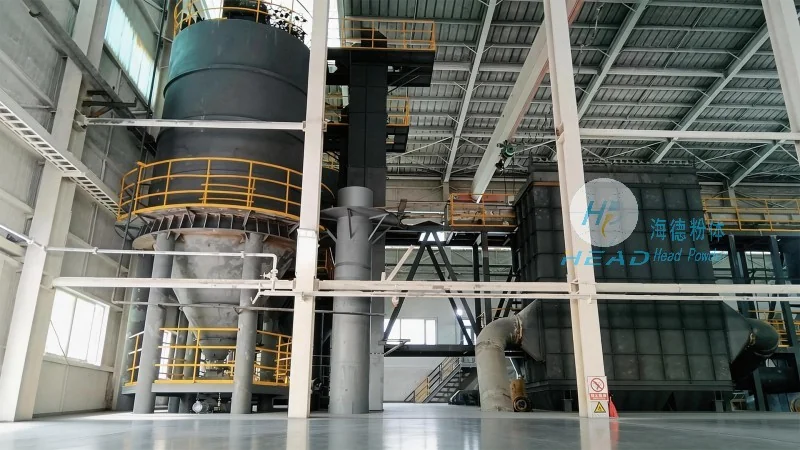
Pneumatic conveying systems are widely used in the cement industry to transport bulk materials like cement from storage silos to delivery trucks. These systems utilize air pressure or vacuum to move materials through a network of pipes, eliminating the need for mechanical components like conveyor belts or buckets. The primary advantage of pneumatic conveying is its ability to handle fine, dusty materials without causing contamination or degradation, making it ideal for cement transportation.
A typical pneumatic conveying system for cement tank trucks consists of several critical components that work in tandem to ensure efficient material transfer. These components include a silo or hopper for material storage, a rotary valve or feeder to control the flow of material into the system, a conveying line (often equipped with bends and straight sections), a receiver or discharge hopper at the truck, and a dust collector or filter to manage air quality. Each component plays a vital role in maintaining the system's performance and safety.
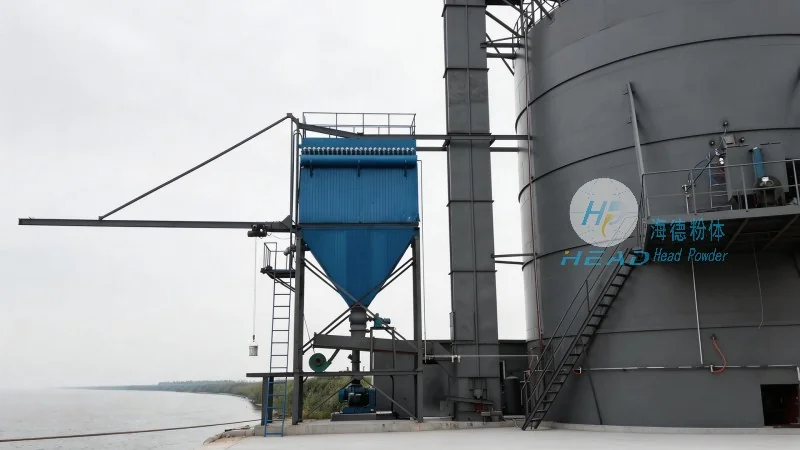
The core of the pneumatic conveying process involves the use of compressed air to suspend and transport material particles. When the system is activated, air is introduced into the conveying line, creating a flow that lifts and moves the cement particles. The material is carried as a suspension, with the air acting as the medium for transport. The velocity and pressure of the air are carefully controlled to ensure that the material is conveyed without excessive wear on the system components and without causing blockages or pressure surges.
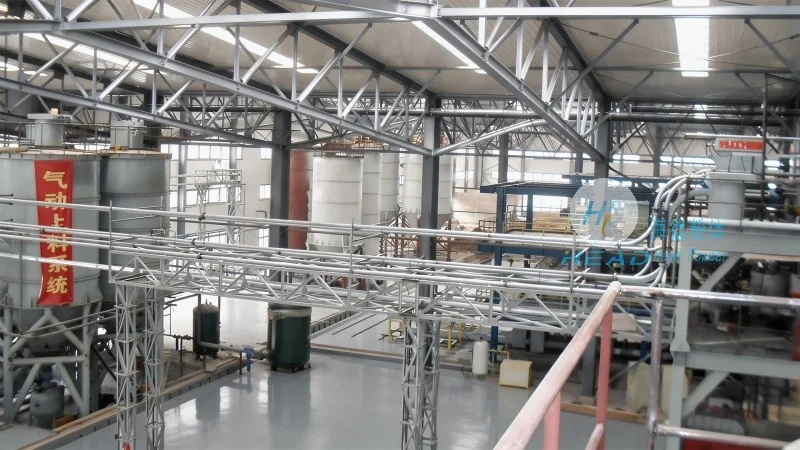
The operation process of a cement tank truck pneumatic conveying system can be broken down into several sequential steps. First, the truck is positioned at the loading station, and the system is activated to begin the material transfer. The rotary valve at the silo opens, allowing cement to flow into the conveying line under the pressure of the compressed air. The air and material mixture travels through the pipes, navigating bends and changes in elevation as required. At the truck's receiver, the material is deposited into the tank, while the air is filtered and returned to the system or released to the atmosphere. The system then cycles through these steps until the truck is fully loaded, ensuring a continuous and efficient transfer process.
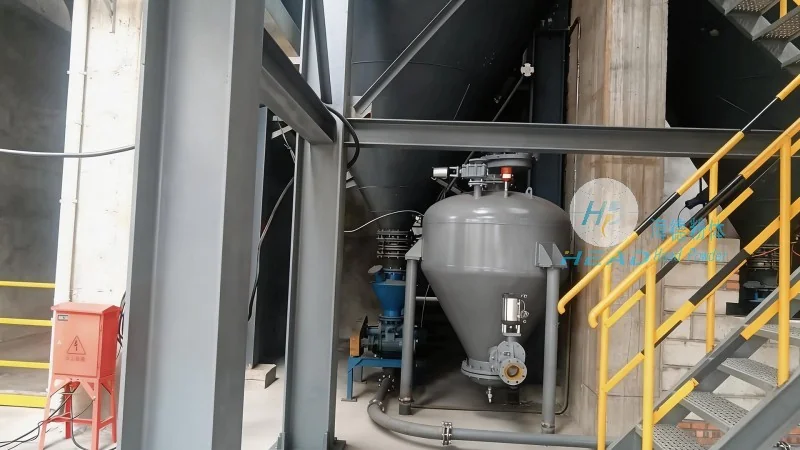
Pneumatic conveying systems offer several advantages for cement tank truck operations, including high efficiency, minimal material degradation, and the ability to handle fine powders without contamination. However, the system requires careful design and maintenance to prevent issues such as blockages, pressure fluctuations, and air leaks. Proper sizing of the conveying line, selection of appropriate air pressure, and regular cleaning of filters are essential to maintain optimal performance. Additionally, the system must comply with safety regulations to ensure that dust emissions are controlled and that the equipment operates within safe pressure limits.
HeadPowder's expertise in engineering and manufacturing ensures that cement tank truck pneumatic conveying systems are designed to meet the specific needs of the cement industry. By understanding the operation process and working principle of these systems, customers can benefit from improved efficiency, reduced downtime, and enhanced safety in their material handling operations. The company's commitment to quality and innovation makes it a trusted partner for businesses seeking reliable pneumatic conveying solutions.

 Shandong Headpowder Engineering Co., Ltd.
 156-6277-7102(Manager Zhang)
  0531-83386006
  Zhangqiu District, Jinan City, Shandong Province, China
telephone
WeChatconsult
top