With more than 10‑year industry experience, Shandong Headpowder delivers full‑service pneumatic‑conveying systems and blowers, undertaking nationwide turn‑key powder‑handling projects.
Molasses, a thick, viscous byproduct of sugar refining, is commonly transported using pneumatic conveying systems due to its challenging handling properties. Unlike dry powders or granules, molasses requires specialized equipment to ensure efficient and safe transport. The pneumatic conveying method leverages air pressure to move the material through a pipeline, offering a closed-loop system that minimizes environmental impact and enhances operational safety. Understanding the fundamental principles of this technology is essential for industries that rely on consistent and reliable molasses transport, such as sugar refineries, confectionery manufacturers, and chemical processing plants.
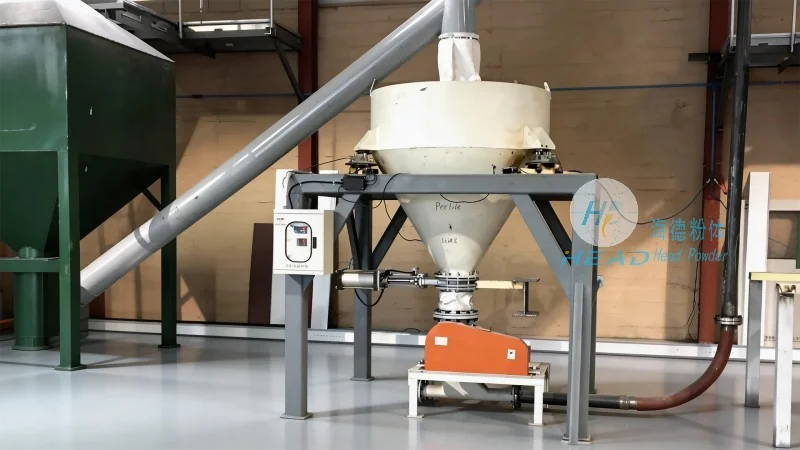
The core principle of molasses pneumatic conveying is the generation of differential pressure to propel the material through a pipeline. In a positive pressure system, high-pressure air is forced through the pipeline, carrying the molasses along with it. The system typically consists of several key components: a feed hopper to hold the molasses, a rotary valve to control the flow rate, a conveyor line (often made of stainless steel to resist corrosion from the acidic molasses), and a receiver to collect the material at the end of the line. The air pressure and flow rate are carefully calibrated to ensure the molasses moves smoothly without causing blockages or excessive wear on the system components. A filter may also be included to remove any particles from the air before it is released, maintaining air quality and system efficiency.
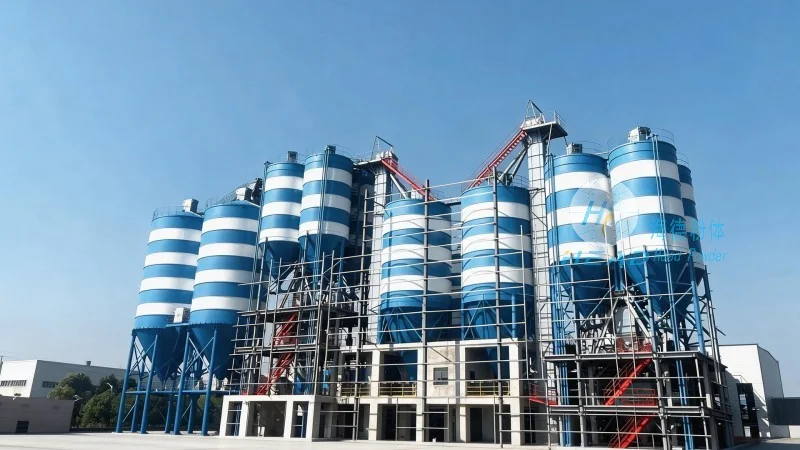
Molasses pneumatic conveying is widely applied in various industrial settings, each with distinct working scene characteristics. In sugar refineries, the system is used to transport molasses from the crystallization stage to storage tanks or for further processing into other products. The working scene here involves high material flow rates, often requiring large-diameter pipelines and high air pressure to handle the viscous molasses efficiently. The system must be designed to withstand the corrosive nature of molasses, with stainless steel or specialized coatings used for the pipeline and components. In food processing plants, the focus is on maintaining hygiene and product quality. Molasses is often used as an ingredient in confectionery items, and the pneumatic conveying system ensures that the material is transported without contamination. The working scene may involve smaller pipelines and lower air pressure, but with strict cleaning protocols to prevent any residue buildup. In chemical industries, molasses may serve as a raw material in the production of other chemicals, and the system must ensure safe and efficient transport, minimizing the risk of spills or environmental contamination.
One of the primary advantages of molasses pneumatic conveying is the ability to operate in a closed system, which effectively controls dust and odors associated with the material. This is particularly beneficial in industrial environments where air quality regulations are stringent, as it reduces the need for additional ventilation or filtration systems. Additionally, the system minimizes the need for manual handling, enhancing workplace safety and reducing labor costs associated with material transport. Compared to mechanical conveying systems, pneumatic conveying reduces equipment wear, as there are no moving parts in direct contact with the molasses, leading to lower maintenance expenses over the system's lifespan. However, there are notable considerations. The high viscosity of molasses can lead to pipeline blockages if not properly managed. Regular cleaning schedules and the use of appropriate materials for the pipeline and components are essential to prevent clogging. The system also requires significant energy input, as high air pressure is necessary to move the material, which can impact operational costs. Despite these considerations, the overall benefits of pneumatic conveying often make it the preferred choice for large-scale molasses transport in industrial applications.
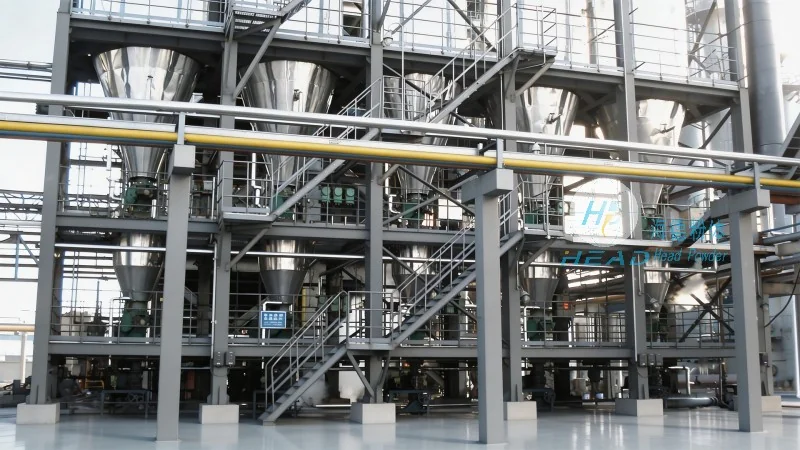
HeadPowder, formally known as Shandong HeadPowder Engineering Co., Ltd., is a prominent manufacturer and supplier of pneumatic conveying systems, specializing in solutions for handling viscous materials like molasses. With its headquarters located in Shandong, China, the company has established itself as a leader in the field, providing customized and reliable systems to clients across various industries. The company's expertise stems from years of experience in designing and implementing pneumatic conveying solutions tailored to the unique challenges of molasses transport. HeadPowder's systems are engineered to ensure durability, efficiency, and adherence to industry standards, making them a trusted choice for businesses in the sugar, food processing, and chemical sectors. The company's commitment to quality and customer satisfaction is reflected in its ability to deliver systems that meet the specific needs of each client, from small-scale operations to large industrial facilities. By leveraging advanced technology and a deep understanding of material handling, HeadPowder helps its clients optimize their production processes and improve overall operational efficiency.

 Shandong Headpowder Engineering Co., Ltd.
 156-6277-7102(Manager Zhang)
  0531-83386006
  Zhangqiu District, Jinan City, Shandong Province, China
telephone
WeChatconsult
top