

Principles and Application Scenarios of High-Pressure Pneumatic Conveying Systems
High-pressure pneumatic conveying systems represent a sophisticated method for transporting bulk materials through a pipeline using compressed air. This technology is widely utilized across various industries due to its efficiency, flexibility, and ability to handle a diverse range of materials. Understanding the underlying principles and typical application scenarios is crucial for selecting the right system for specific operational needs.
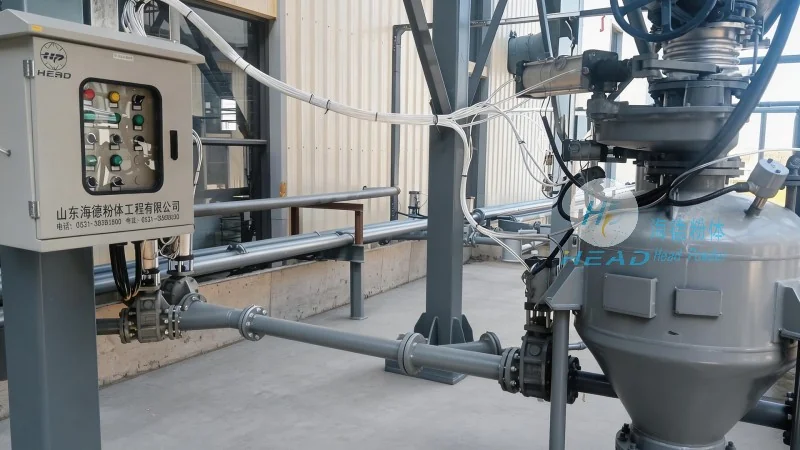
Core Principles of High-Pressure Pneumatic Conveying
The fundamental principle of high-pressure pneumatic conveying involves generating sufficient air pressure within a pipeline to move material particles. Unlike low-pressure systems, high-pressure systems operate at pressures typically ranging from 5 to 15 bar, which allows for more forceful material movement and can handle longer distances or more challenging material characteristics. The system relies on a combination of air velocity and pressure to suspend and transport particles, ensuring consistent flow and minimal material degradation.
Key components of a high-pressure system include a positive displacement blower or compressor, a material feed hopper, a pipeline network, and a discharge unit. The blower provides the necessary pressure, while the feed hopper introduces material into the system. The pipeline transports the material-air mixture to the discharge point, where the material is separated from the air and collected. This design enables precise control over material flow rates and pressure levels, optimizing performance for different applications.
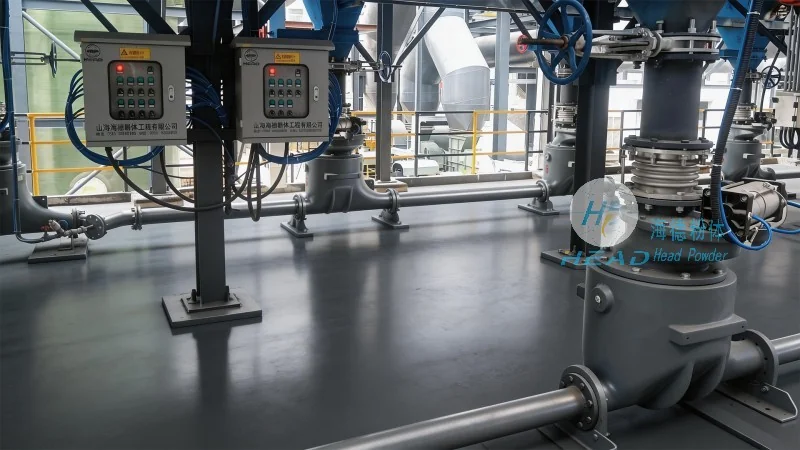
Typical Application Scenarios
High-pressure pneumatic conveying is particularly suited for industries that require the transport of fine powders, granules, or bulk solids over medium to long distances. Common applications include the food and pharmaceutical sectors, where material handling must adhere to strict hygiene and contamination control standards. In these industries, the system’s ability to maintain material integrity and prevent cross-contamination is paramount.
In the chemical industry, high-pressure systems are used to transport reactive or sensitive materials, such as powders used in pharmaceutical manufacturing or chemical processing. The controlled environment and pressure management help minimize material exposure to air and moisture, preserving product quality and safety. Additionally, the system’s flexibility allows for integration with existing production lines, reducing downtime and improving operational efficiency.
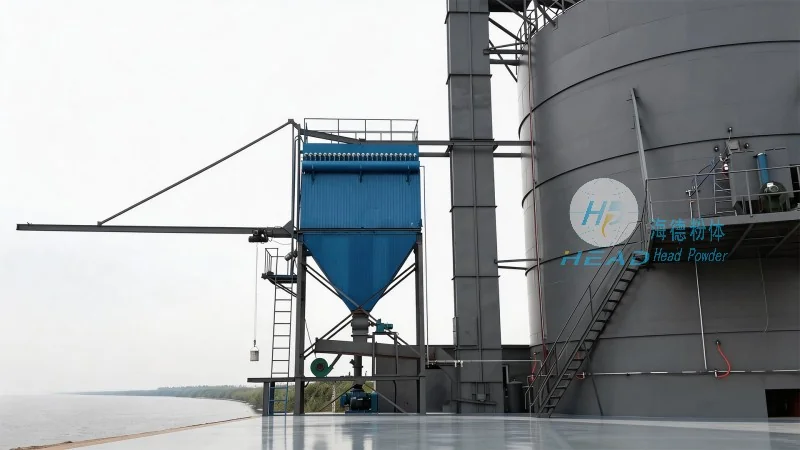
Another key application is in the agricultural sector, where high-pressure systems are employed to transport grains, seeds, or other agricultural products. The ability to handle abrasive or high-volume materials makes this technology ideal for farms and processing facilities. The system’s compact design and low maintenance requirements also contribute to its popularity in agricultural settings.
Advantages and Considerations
High-pressure pneumatic conveying offers several advantages over traditional material handling methods. One of the primary benefits is the ability to transport materials without direct contact with mechanical components, reducing wear and tear on equipment. This results in lower maintenance costs and longer equipment lifespan. Additionally, the system can handle a wide variety of materials, including those that are abrasive, sticky, or prone to caking, making it versatile for diverse industrial needs.
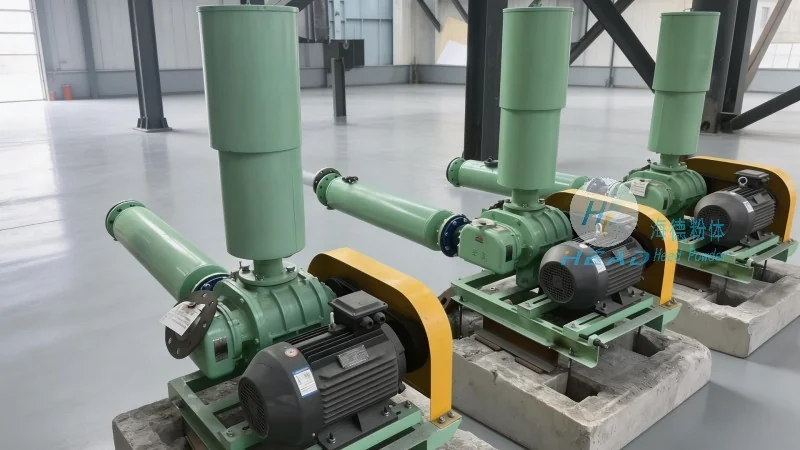
However, high-pressure systems also have considerations that must be addressed. The higher pressure requirements mean that more robust and expensive components are needed, such as high-capacity blowers and reinforced pipelines. This can increase initial investment costs compared to low-pressure systems. Furthermore, the system may require more energy to operate, as higher pressure levels demand more power from the compressor. Proper system design and maintenance are essential to mitigate these challenges and ensure optimal performance.
Conclusion
High-pressure pneumatic conveying systems provide an efficient and reliable solution for transporting bulk materials in various industrial applications. By understanding the core principles and typical scenarios, businesses can select the appropriate system to meet their operational requirements. With advancements in technology, these systems continue to evolve, offering improved performance, reduced maintenance, and enhanced material handling capabilities. For companies seeking to optimize their material transport processes, high-pressure pneumatic conveying remains a viable and effective option.