With more than 10‑year industry experience, Shandong Headpowder delivers full‑service pneumatic‑conveying systems and blowers, undertaking nationwide turn‑key powder‑handling projects.
Shandong HeadPowder Engineering Co., Ltd., operating under the brand name HeadPowder, is a leading enterprise in the field of pneumatic conveying systems for powder materials. Based in Shandong, China, the company specializes in designing, manufacturing, and supplying advanced solutions for transporting fine powders such as silica. With a strong commitment to innovation and quality, HeadPowder has built a reputation for delivering reliable and efficient pneumatic conveying technologies that meet the diverse needs of clients across various industries. The company's expertise lies in understanding the unique properties of different powders, including silica, and tailoring the conveying systems to optimize performance, minimize material loss, and ensure product integrity.
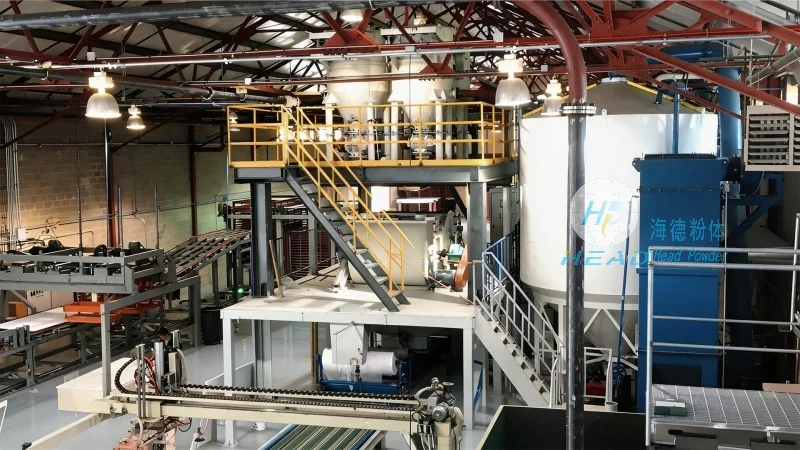
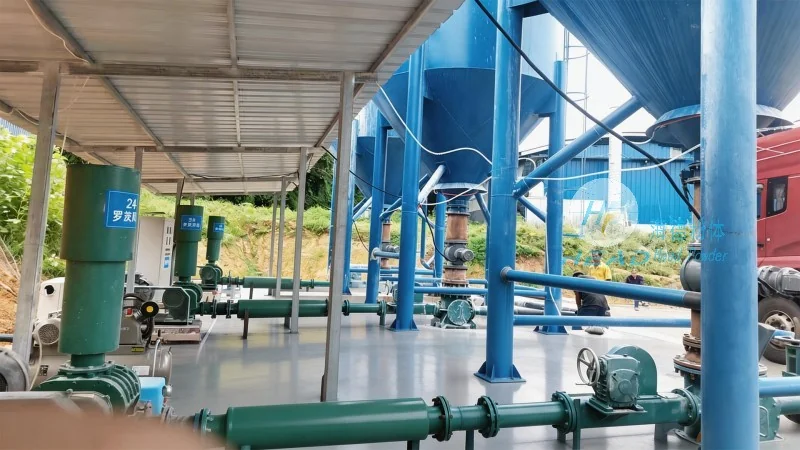
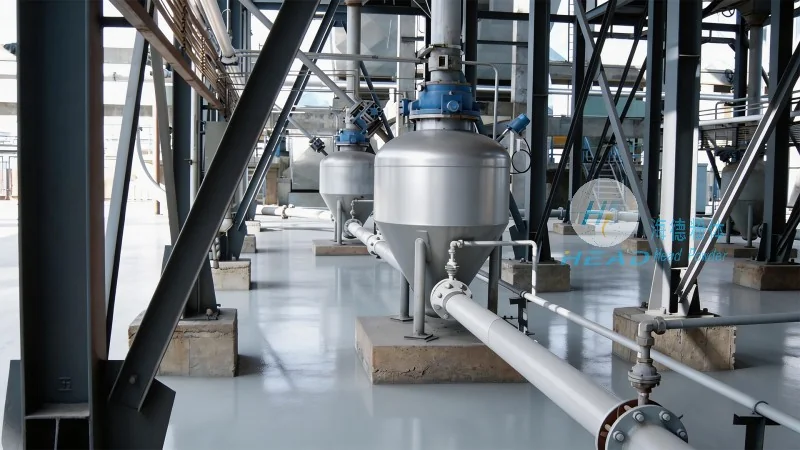
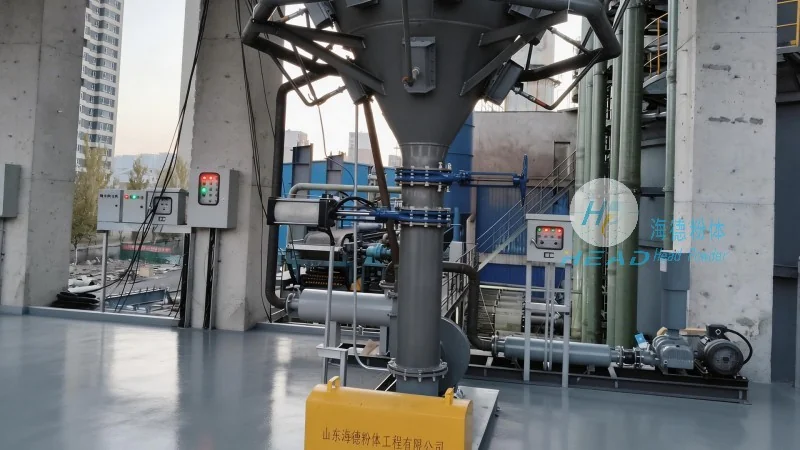
Pneumatic conveying is a fundamental method for transporting solid powders through a pipeline using air or gas as the conveying medium. For silica powder, this process involves a series of interconnected components and mechanisms that work together to achieve efficient transport. The system typically comprises a hopper for material storage, a rotary valve for controlled feeding, a conveying pipeline, a dust collector for air purification, and a control system for operation. The silica powder is first loaded into the hopper, where it is held under controlled conditions to prevent caking or agglomeration. The rotary valve then regulates the flow of powder into the pipeline, ensuring a consistent and controlled feed rate. Compressed air or gas is introduced into the pipeline, creating a flow that lifts and transports the silica particles. The velocity of the air and the size distribution of the powder particles determine the conveying capacity and the system's efficiency. The principle relies on the concept of particle suspension, where the air flow provides sufficient kinetic energy to keep the powder particles airborne and move them along the pipeline. This suspension is critical for preventing blockages and ensuring smooth transport. The system can operate under positive or negative pressure, depending on the specific application and environmental requirements. Positive pressure conveying is often used in applications where external contamination must be avoided, while negative pressure conveying is preferred for reducing energy consumption and noise levels. By carefully controlling the air pressure, flow rate, and pipeline design, the system can maintain a stable and continuous transport of silica powder, minimizing material degradation and ensuring consistent product quality.
The working scene characteristics of silica powder pneumatic conveying systems are shaped by the specific operational environment and the properties of the material being handled. A key characteristic is the emphasis on dust control and environmental compliance. Silica powder, being a fine and lightweight material, can generate significant airborne dust during handling, which poses health risks and requires effective dust management. The conveying system must incorporate robust dust collection mechanisms, such as cyclone separators or bag filters, to capture and remove fine particles from the air stream. This not only ensures workplace safety but also prevents product contamination and environmental pollution. Another characteristic is the adaptability to different production scales and operational conditions. The system can be customized to handle varying volumes of silica powder, from small laboratory batches to large-scale industrial production. For instance, in pharmaceutical or food processing industries, where product purity is paramount, the system may use positive pressure to prevent external contaminants from entering the pipeline. In contrast, in some industrial applications, negative pressure conveying is employed to reduce energy consumption and noise, making it suitable for operations in residential or sensitive areas. Additionally, the system's flexibility allows it to integrate seamlessly with existing production lines, enabling smooth material transfer between different processing stages. This integration is crucial for optimizing production efficiency and reducing downtime, as it eliminates the need for manual handling and reduces the risk of material loss. The working scene also highlights the importance of regular maintenance and monitoring to ensure the system operates at optimal performance. Routine checks of air pressure, flow rates, and component condition help identify and address potential issues before they lead to system failures. This proactive approach ensures consistent conveying performance and extends the lifespan of the equipment. Overall, the working scene characteristics underscore the importance of a well-designed and properly maintained pneumatic conveying system in handling silica powder efficiently, safely, and reliably.

 Shandong Headpowder Engineering Co., Ltd.
 156-6277-7102(Manager Zhang)
  0531-83386006
  Zhangqiu District, Jinan City, Shandong Province, China
telephone
WeChatconsult
top