With more than 10‑year industry experience, Shandong Headpowder delivers full‑service pneumatic‑conveying systems and blowers, undertaking nationwide turn‑key powder‑handling projects.
Headpowder, a leading enterprise in the field of chemical engineering, specializes in the design, manufacturing, and installation of advanced material handling systems for sodium dithionite. This article provides a detailed overview of the operation process and working principle of the equipment used in such systems, highlighting the efficiency and reliability that define the company's solutions.
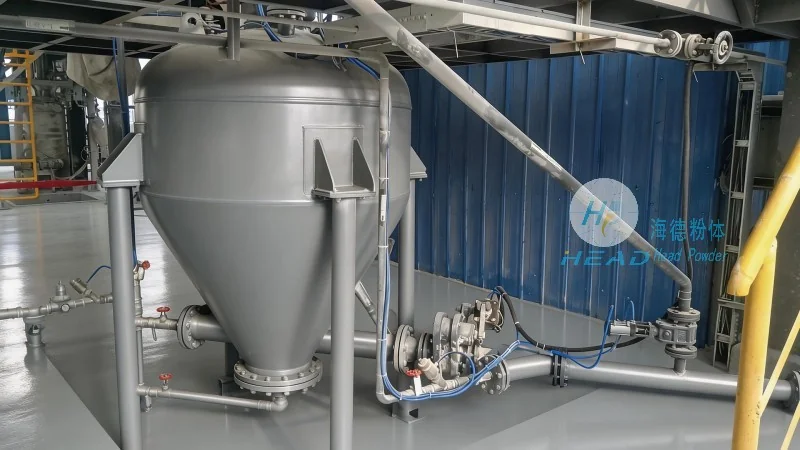
Sodium dithionite, also known as sodium hydrosulfite, is a critical chemical widely used in various industrial applications, including textile processing, pulp and paper manufacturing, and chemical synthesis. The efficient handling of this material is essential to ensure safe and productive operations. Headpowder's material handling systems are engineered to meet the stringent requirements of handling sodium dithionite, combining advanced technology with robust construction to deliver optimal performance.
The material handling system for sodium dithionite typically consists of several key components that work in tandem to ensure seamless material transport and processing. These components include bulk material feeders, conveyor systems, storage silos, and pneumatic or mechanical conveying equipment. Each component is designed to handle the specific characteristics of sodium dithionite, such as its hygroscopic nature and potential reactivity under certain conditions.
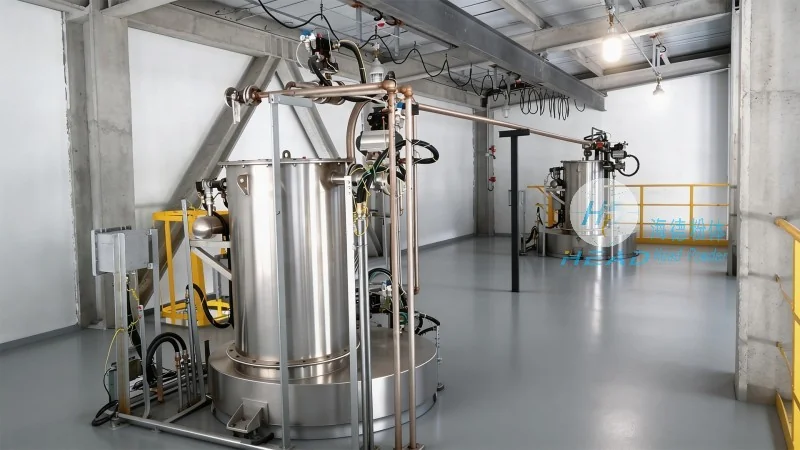
The operation process of the sodium dithionite material handling system begins with the material being loaded into a storage silo or hopper. From there, the material is fed into a bulk material feeder, which regulates the flow rate to the conveyor system. The conveyor system then transports the material to the processing area or downstream equipment. In some systems, pneumatic conveying is used to move the material over longer distances or to different levels, utilizing air pressure to transport the material through pipes.
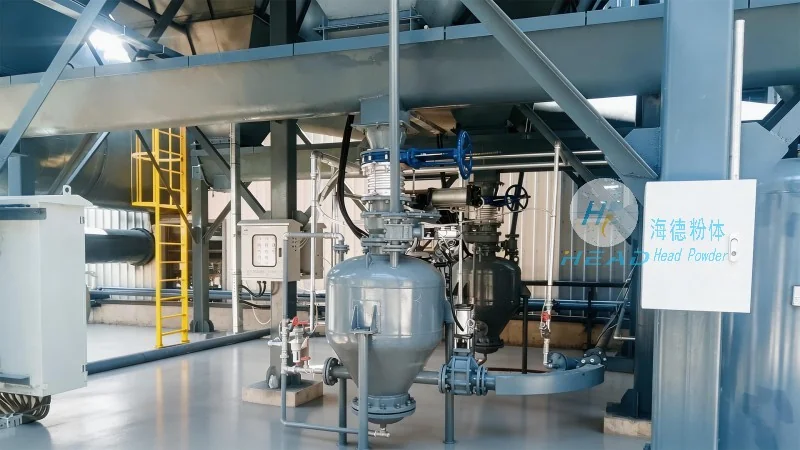
The working principle of the material handling system for sodium dithionite is based on the principles of mechanical and pneumatic conveying. The system relies on the controlled movement of the material from the storage area to the processing point, ensuring minimal loss and maximum efficiency. The bulk material feeder ensures a consistent flow rate, preventing overloading or underloading of the conveyor system. The conveyor system, whether belt or screw, moves the material along a designated path, while the pneumatic conveying system uses compressed air to create a flow of material through the pipes. This combination of mechanical and pneumatic components allows for flexible and reliable material handling, adapting to different operational needs and site configurations.
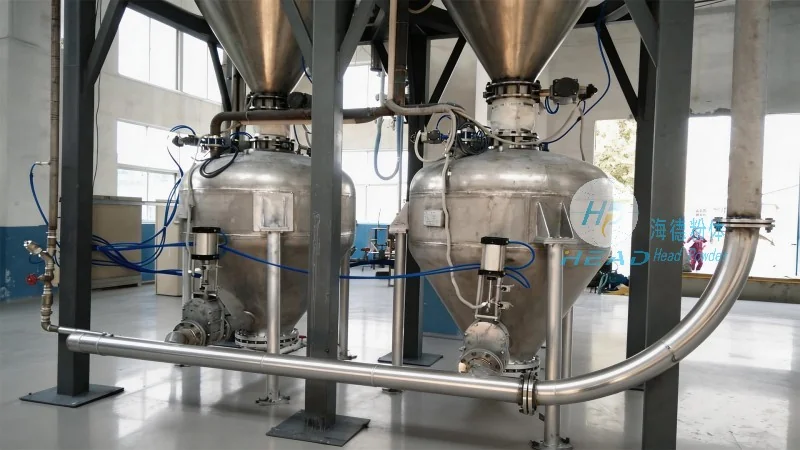
Headpowder's material handling systems for sodium dithionite offer several advantages that enhance operational efficiency and safety. The systems are designed to minimize material degradation and contamination, ensuring the quality of the sodium dithionite is maintained throughout the handling process. Additionally, the equipment is constructed from materials resistant to corrosion and chemical exposure, providing long-term durability and low maintenance costs. The automated control systems allow for precise monitoring and adjustment of the material flow, reducing the risk of human error and improving overall process control.
Headpowder's material handling systems for sodium dithionite exemplify the company's commitment to providing high-quality, reliable solutions for industrial material handling. By understanding the operation process and working principle of these systems, users can appreciate the advanced engineering and careful design that go into each component, ensuring optimal performance and safety in handling sodium dithionite. With a focus on efficiency, durability, and safety, Headpowder continues to be a trusted partner in the chemical industry for material handling solutions.

 Shandong Headpowder Engineering Co., Ltd.
 156-6277-7102(Manager Zhang)
  0531-83386006
  Zhangqiu District, Jinan City, Shandong Province, China
telephone
WeChatconsult
top