With more than 10‑year industry experience, Shandong Headpowder delivers full‑service pneumatic‑conveying systems and blowers, undertaking nationwide turn‑key powder‑handling projects.
Iron concentrate material handling systems are critical components in industrial operations, particularly in mining and processing facilities where efficient transportation of iron concentrate is essential for maintaining production efficiency and product quality. These systems are designed to handle the specific characteristics of iron concentrate, such as its density, moisture content, and particle size distribution, ensuring reliable and safe material transport from processing units to storage or further processing stages. The equipment within these systems is engineered to meet the demanding requirements of modern industrial applications, providing robust performance and durability under heavy operational loads.
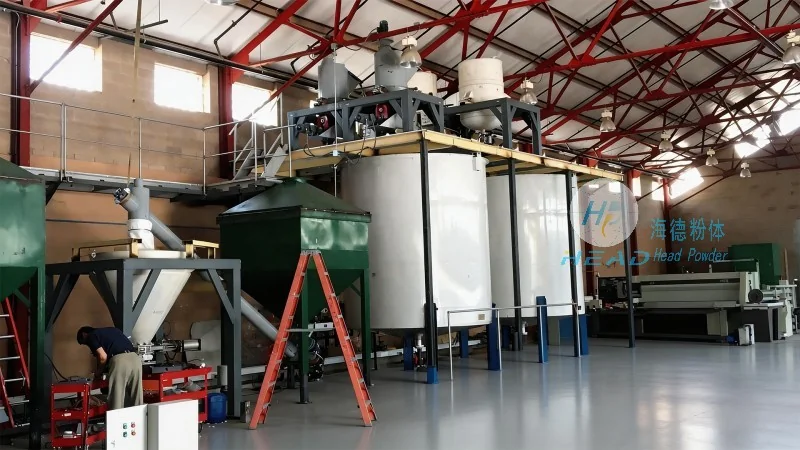
The iron concentrate material handling system typically consists of several interconnected components that work in harmony to achieve efficient material transport. The primary components include feeders, conveyors, elevators, and storage silos. Feeders are responsible for uniformly feeding the iron concentrate into the system, ensuring a consistent flow rate that matches the downstream processing requirements. Conveyors, often in the form of belt conveyors or screw conveyors, transport the material horizontally or at an incline, depending on the layout of the facility. Elevators, such as bucket elevators or chain conveyors, are used to lift the material vertically, overcoming elevation changes and connecting different levels of the processing plant. Storage silos are used to temporarily hold the iron concentrate, providing buffer capacity and allowing for controlled discharge into subsequent processing units.
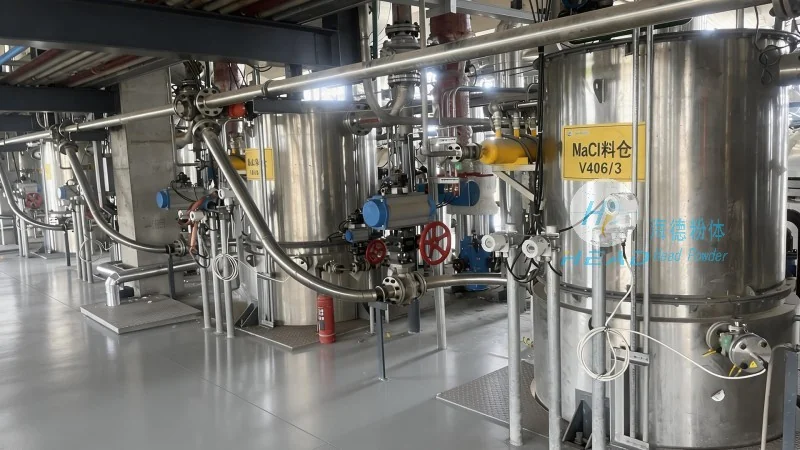
The operation process of the iron concentrate material handling system begins with the intake of raw iron concentrate from the processing plant. The material is first fed into a hopper or feeder, where it is homogenized and prepared for transport. The feeder then regulates the flow rate, ensuring a steady supply of material to the conveyor system. The conveyor transports the iron concentrate to the next stage of processing or to the storage silo. If the system includes an elevator, the material is lifted vertically, and the conveyor continues to move it horizontally to the storage silo. The storage silo holds the material until it is needed for further processing, such as pelletizing or sintering. The discharge from the silo is controlled by a discharge valve or feeder, which regulates the flow rate to the subsequent processing equipment. Throughout the operation process, sensors and control systems monitor the flow rate, pressure, and level of the material, ensuring that the system operates within safe and efficient parameters. The control system may include programmable logic controllers (PLCs) that receive input from sensors and adjust the operation of the feeder, conveyor, and elevator to maintain optimal performance. This closed-loop control ensures that the system can adapt to changes in material feed rate or processing demands, preventing overloading or underloading of the components.
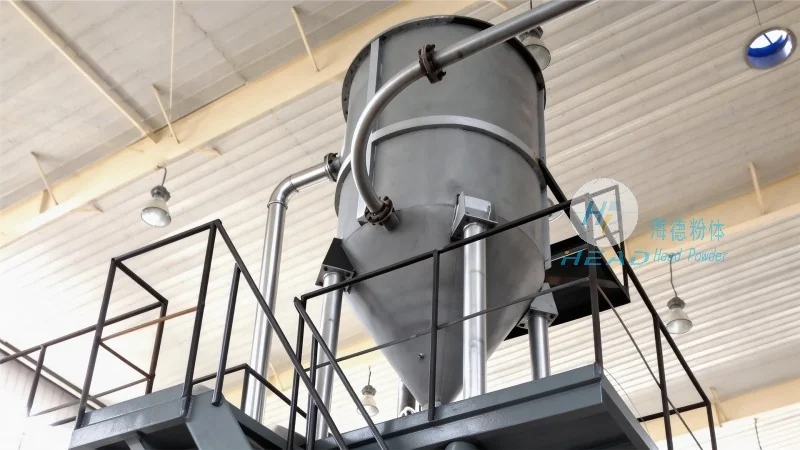
The working principle of each component in the iron concentrate material handling system is based on mechanical and hydraulic principles, designed to handle the specific characteristics of iron concentrate. Feeders, such as rotary feeders or vibratory feeders, use mechanical motion to evenly distribute the material, preventing blockages and ensuring consistent flow. Rotary feeders consist of a rotating drum with flights that lift the material and discharge it onto a conveyor. Vibratory feeders use an oscillating motion to move the material, with the frequency and amplitude adjusted to control the flow rate. The design of the feeder is critical to prevent material bridging and ensure uniform feeding. Conveyors, such as belt conveyors, operate by using a continuous belt that moves the material through friction. The belt is supported by rollers and guided by idlers, with the speed of the belt controlled by a motor and variable frequency drive (VFD). The capacity of the belt conveyor is determined by the belt width, speed, and material density. Screw conveyors use a rotating screw to push the material forward. The screw's pitch (the distance between the threads) and diameter determine the capacity and flow rate. The screw is typically made of stainless steel or other corrosion-resistant materials to handle the abrasive nature of iron concentrate. Elevators, such as bucket elevators, use a chain with attached buckets that lift the material vertically. The buckets fill as they descend in the lower section and empty as they ascend in the upper section. The chain is driven by a motor and gearbox, with the speed controlled to match the conveyor system. Storage silos are cylindrical or conical structures made of steel or concrete, designed to hold large volumes of material. The silo is equipped with a discharge outlet at the bottom, which can be controlled by a valve or feeder. The silo may also include a level sensor to monitor the material level and prevent overfilling. The control system integrates all these components, ensuring that the material is transported efficiently and safely from the processing plant to the storage or processing units.
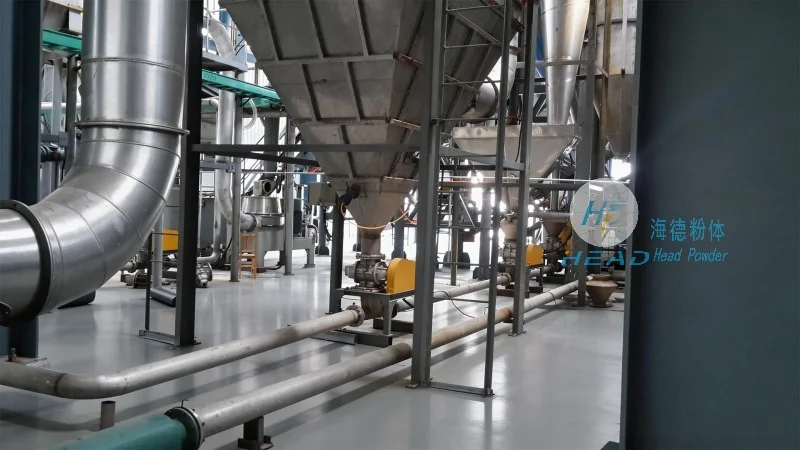
The iron concentrate material handling system offers several advantages in industrial applications, including high efficiency, reliability, and durability. The system is designed to handle large volumes of iron concentrate, with the ability to transport material over long distances and at high speeds. The components are engineered to withstand the harsh conditions of the mining and processing industry, including high temperatures, dust, and moisture. The system is also highly customizable, with options for different conveyor types, elevators, and storage silos to meet the specific requirements of each facility. The system is widely used in iron ore processing plants, where it is essential for transporting iron concentrate from the grinding and classification stages to the pelletizing or sintering units. In pelletizing plants, the iron concentrate is mixed with binders and water to form pellets, which are then dried and fired. The material handling system ensures that the iron concentrate is delivered to the pelletizing plant at the correct moisture content and flow rate. In sintering plants, the iron concentrate is mixed with fluxes and coke to form sinter, which is then heated to form a porous material. The material handling system delivers the iron concentrate to the sintering plant, ensuring that the material is mixed with the other components at the correct ratio. The system is also used in other industrial applications, such as cement production, where it is used to transport raw materials such as limestone and clay. The cement plant uses a similar material handling system to transport the raw materials to the grinding and mixing stages. The system is also used in chemical processing plants, where it is used to transport chemicals and other materials. The chemical plant uses a material handling system that is designed to handle the specific characteristics of the chemicals, such as their corrosive nature and high temperature. The system is engineered to be durable and reliable, with components made of corrosion-resistant materials. The control system is also designed to handle the specific requirements of the chemical plant, such as the need for precise flow control and temperature monitoring.

 Shandong Headpowder Engineering Co., Ltd.
 156-6277-7102(Manager Zhang)
  0531-83386006
  Zhangqiu District, Jinan City, Shandong Province, China
telephone
WeChatconsult
top