With more than 10‑year industry experience, Shandong Headpowder delivers full‑service pneumatic‑conveying systems and blowers, undertaking nationwide turn‑key powder‑handling projects.
For industries dealing with polypropylene materials, efficient and reliable material handling systems are crucial for maintaining production efficiency and ensuring product quality. The polypropylene material handling system equipment, manufactured by Shandong HeadPowder Engineering Co., Ltd., is designed to meet these demands through advanced engineering and robust construction. This equipment plays a vital role in the seamless transfer of polypropylene from storage to processing units, optimizing workflow and reducing operational downtime.
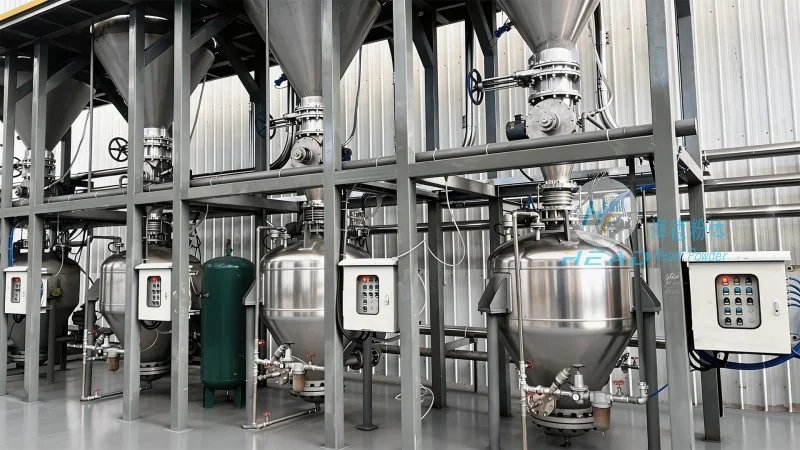
Polypropylene, a versatile thermoplastic polymer, is widely used in various industries including packaging, automotive, and textiles. The handling of polypropylene requires specialized equipment to manage its properties such as low density, high strength, and resistance to chemicals. The polypropylene material handling system from HeadPowder is engineered to handle these characteristics effectively, ensuring safe and efficient material transfer. The system typically includes components like hoppers, conveyors, and feeding mechanisms that are tailored to the specific needs of polypropylene processing.
The polypropylene material handling system consists of several key components that work in tandem to facilitate material transfer. The hopper is the primary container where polypropylene is stored before processing. It is designed with a sloped bottom to allow the material to flow smoothly into the conveyor system. The conveyor, often a screw or belt conveyor, transports the polypropylene from the hopper to the processing equipment. The feeding mechanism, which may include a rotary valve or a metering device, controls the flow rate of the material, ensuring consistent and controlled delivery to the next stage of production. Each component is manufactured with high-quality materials to withstand the mechanical stresses and chemical exposure associated with polypropylene handling.
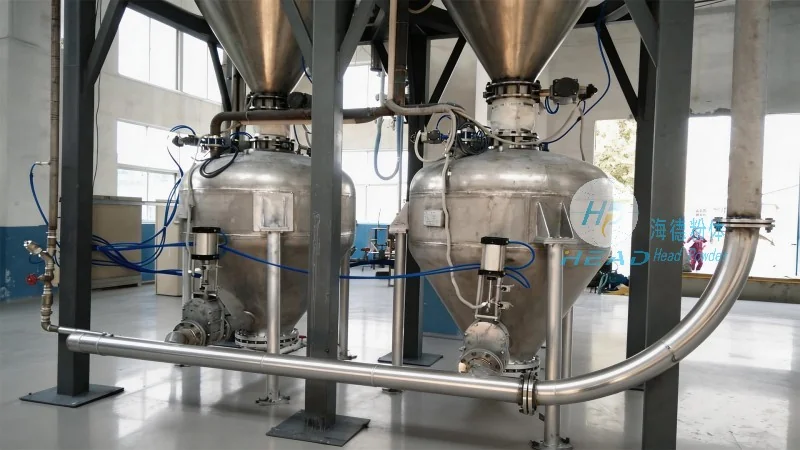
The operation of the polypropylene material handling system follows a systematic process that begins with material loading into the hopper. The system starts by opening the hopper's inlet to allow polypropylene to be fed into the storage area. Once the hopper is filled, the rotary valve or feeding mechanism is activated to regulate the flow of material into the conveyor. The conveyor then transports the polypropylene to the processing unit, where it is further processed into finished products. The entire process is automated, with sensors and control systems monitoring the flow rate and ensuring that the material is transferred at the optimal speed. This automation minimizes human intervention, reducing the risk of errors and improving overall efficiency.
The working principle of the polypropylene material handling system is based on the principles of gravity and mechanical force. The hopper's design allows polypropylene to flow under gravity into the conveyor. The conveyor then uses mechanical energy to move the material forward. The feeding mechanism, such as a screw conveyor, uses rotational motion to push the material along the conveyor path. This mechanical action ensures that the polypropylene is transferred continuously and without interruption. The system also incorporates safety features, such as overload protection and material flow sensors, to prevent blockages and ensure smooth operation. The combination of these principles results in a reliable and efficient system that can handle large volumes of polypropylene with minimal maintenance.
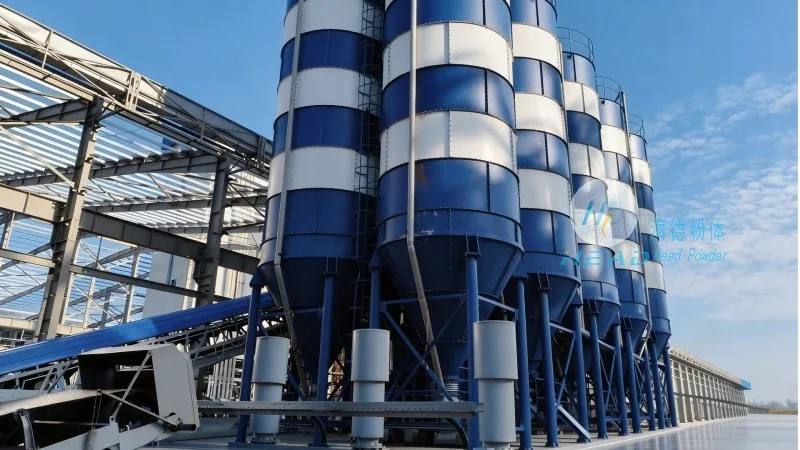
Implementing a polypropylene material handling system offers several benefits to industrial operations. Firstly, it enhances production efficiency by reducing the time and labor required for material transfer. The automated process ensures that material is delivered to the processing units at a consistent rate, minimizing downtime. Secondly, it improves product quality by preventing contamination and ensuring uniform material flow. The system's design minimizes material degradation and ensures that the polypropylene reaches the processing stage in optimal condition. Thirdly, it enhances safety by reducing the risk of manual handling of bulk materials, which can be hazardous. The system's enclosed design and automated controls minimize the exposure of operators to the material, reducing the risk of accidents. Finally, it provides cost savings by reducing material waste and lowering maintenance costs due to the robust construction of the equipment.
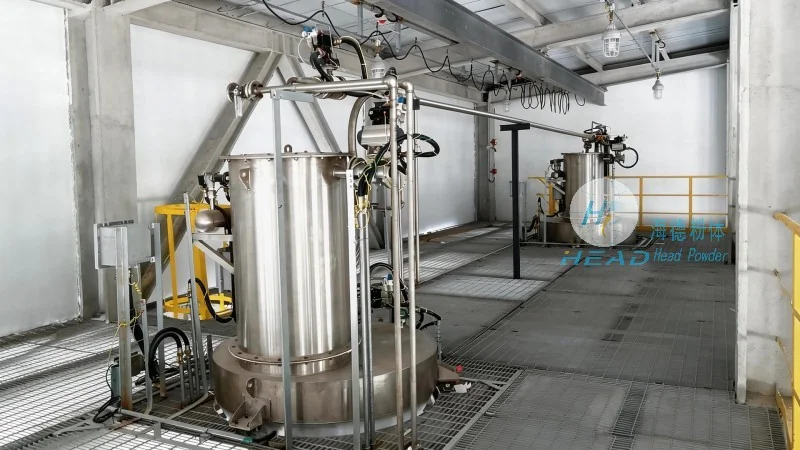
The polypropylene material handling system is widely used in various industrial settings where polypropylene is processed. For example, in the packaging industry, the system is used to transfer polypropylene pellets from storage to extrusion machines, where they are melted and formed into plastic films or containers. In the automotive industry, the system is used to supply polypropylene to injection molding machines, which produce components like car parts and interior trim. In the textile industry, the system is used to feed polypropylene fibers into spinning machines, where they are processed into yarn. These applications demonstrate the versatility and effectiveness of the polypropylene material handling system in different industrial contexts.
To ensure the longevity and optimal performance of the polypropylene material handling system, regular maintenance is essential. The system's components, such as the hopper, conveyor, and feeding mechanism, should be inspected regularly for signs of wear and tear. The conveyor belts or screw components may require lubrication or replacement to maintain smooth operation. The control systems and sensors should be checked to ensure they are functioning correctly and providing accurate data. Additionally, the system should be cleaned regularly to prevent the accumulation of polypropylene residue, which can affect the material flow and cause blockages. Proper maintenance not only extends the life of the equipment but also ensures consistent performance and reduces the risk of unexpected breakdowns.

 Shandong Headpowder Engineering Co., Ltd.
 156-6277-7102(Manager Zhang)
  0531-83386006
  Zhangqiu District, Jinan City, Shandong Province, China
telephone
WeChatconsult
top