With more than 10‑year industry experience, Shandong Headpowder delivers full‑service pneumatic‑conveying systems and blowers, undertaking nationwide turn‑key powder‑handling projects.
Corn flour bulk material conveying machines are essential equipment in the food processing and material handling industries, particularly for the efficient transport of corn flour and other fine powders. These machines are designed to handle bulk materials with precision, ensuring minimal loss and consistent flow. The operation and working principles of such machines are crucial for optimizing production efficiency and maintaining product quality. This article provides a detailed overview of the operation process and working principles of corn flour bulk material conveying machines, with a focus on the expertise of Shandong HeadPowder Engineering Co., Ltd.
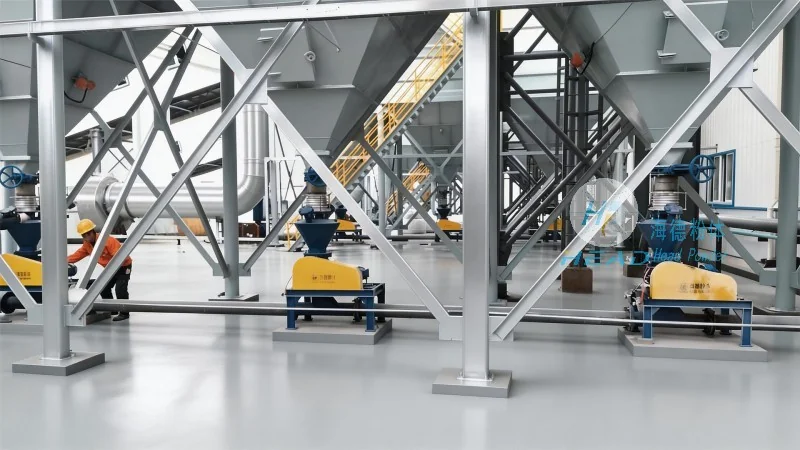
The corn flour bulk material conveying machine typically consists of several key components that work in tandem to achieve efficient material transport. The main parts include a hopper for material storage, a conveyor system (such as a screw conveyor or pneumatic conveyor), a control panel for operation, and a discharge outlet. The hopper is designed to hold a large volume of corn flour, ensuring a steady supply to the conveyor. The conveyor system is the core of the machine, responsible for moving the material from the hopper to the discharge point. The control panel allows operators to adjust parameters such as speed, pressure, and flow rate to match production requirements. The discharge outlet is where the processed corn flour is collected for further use.
The operation process of the corn flour bulk material conveying machine involves several steps to ensure smooth and efficient material handling. First, the corn flour is loaded into the hopper. The hopper is equipped with a feeding mechanism that ensures the material is evenly distributed and prevents blockages. Next, the conveyor system is activated, and the material is transported from the hopper to the discharge outlet. The speed of the conveyor can be adjusted based on the required flow rate, which is controlled by the operator via the control panel. During the operation, the machine continuously monitors the material flow and adjusts parameters as needed to maintain consistent performance. The discharge outlet collects the conveyed corn flour, which is then ready for packaging or further processing. The entire process is designed to minimize downtime and maximize productivity, making it an ideal solution for industrial applications.
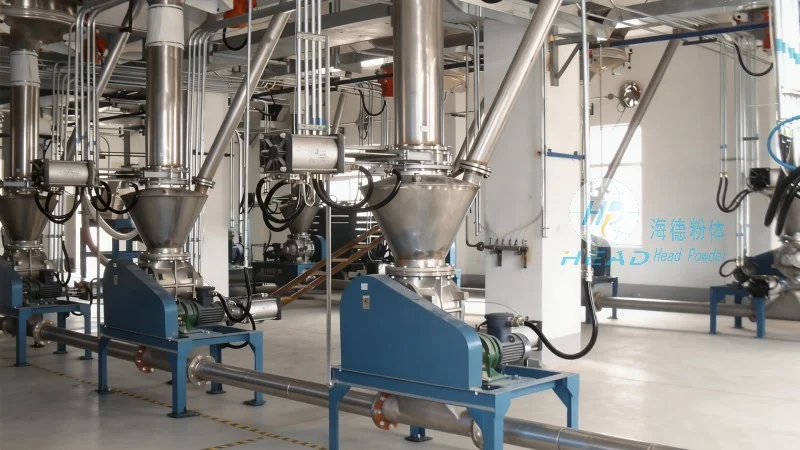
The working principle of the corn flour bulk material conveying machine is based on the principles of fluidization and mechanical transport. The machine uses a combination of air and mechanical force to move the fine powder material. In pneumatic conveying systems, compressed air is used to create a flow that carries the corn flour through the conveyor. The air pressure and flow rate are carefully controlled to ensure the material is transported without clogging or degradation. In mechanical conveying systems, such as screw conveyors, the material is moved by rotating screws that push the powder forward. The screw design is optimized to handle fine powders like corn flour, with smooth surfaces to prevent material buildup and ensure consistent flow. The control system monitors the pressure, temperature, and flow rate to maintain optimal conditions. The machine also incorporates safety features to prevent overloading and ensure safe operation. By understanding the working principles, operators can effectively maintain and operate the machine to achieve high performance and reliability.
Using corn flour bulk material conveying machines offers several advantages in industrial settings. These machines provide high efficiency in material transport, reducing labor costs and increasing production speed. The design of the machine minimizes material loss and contamination, ensuring the quality of the corn flour is maintained. The adjustable parameters allow for flexibility in handling different production volumes and material types. The compact design of the machine makes it suitable for various industrial environments, including food processing plants and manufacturing facilities. Additionally, the machine is easy to maintain and repair, with accessible components that can be serviced quickly. The use of advanced control systems enhances the machine's performance and reduces the need for manual intervention. Overall, corn flour bulk material conveying machines are a cost-effective and reliable solution for bulk material handling in the food industry.
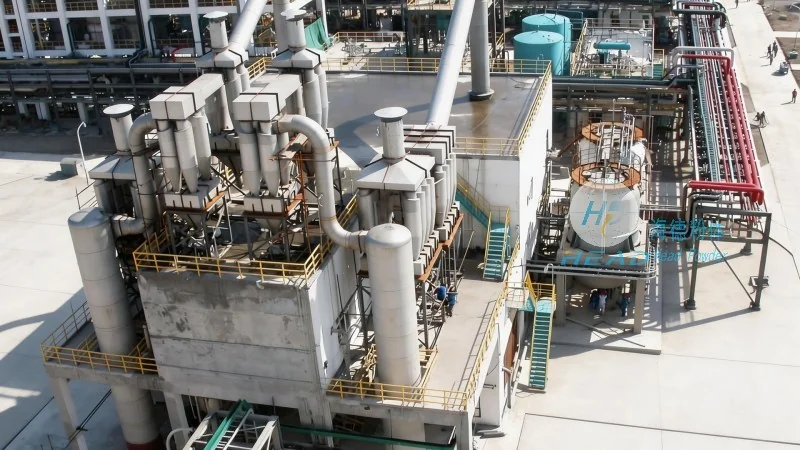
Corn flour bulk material conveying machines are widely used in the food industry, particularly in the production of corn-based products. These machines are essential for transporting corn flour from storage to processing lines, ensuring a steady supply of raw material. In the production of cornmeal, corn flour, and other corn products, the conveying machine plays a critical role in maintaining production continuity. The machine is also used in the handling of other fine powders, such as wheat flour and sugar, making it versatile for various food processing applications. The ability to handle large volumes of material efficiently makes it suitable for high-volume production lines. The machine's design ensures that the material is transported without degradation, preserving the quality and nutritional value of the corn flour. This is particularly important in the food industry, where product quality is a top priority. By using corn flour bulk material conveying machines, food manufacturers can improve their production efficiency and meet the demands of the market.
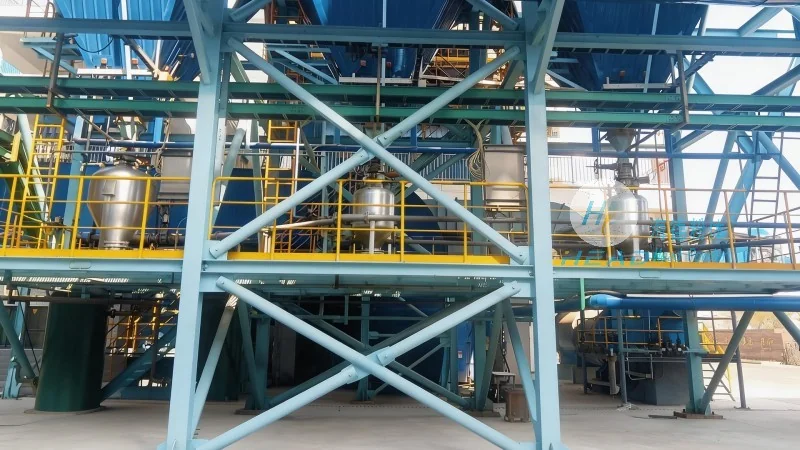
Maintaining the corn flour bulk material conveying machine is essential to ensure its long-term performance and reliability. Regular maintenance can prevent breakdowns and extend the lifespan of the equipment. The following tips can help in maintaining the machine effectively:
1. **Regular Cleaning**: The hopper, conveyor, and discharge outlet should be cleaned regularly to prevent material buildup and clogging. This can be done using a brush or compressed air to remove any residue. 2. **Check for Wear and Tear**: Inspect the conveyor components, such as the screws and bearings, for signs of wear and tear. Replace any worn parts to prevent further damage. 3. **Monitor Air Pressure**: In pneumatic conveying systems, check the air pressure regularly to ensure it is within the recommended range. Proper air pressure is crucial for efficient material transport. 4. **Check for Leaks**: Inspect the machine for any leaks in the air or material lines. Leaks can cause pressure loss and affect the machine's performance. 5. **Calibrate the Control System**: Ensure that the control panel is calibrated correctly to maintain the desired flow rate and speed. Calibration should be done periodically to ensure accuracy. By following these maintenance tips, operators can keep the corn flour bulk material conveying machine in optimal condition, ensuring smooth operation and high productivity.

 Shandong Headpowder Engineering Co., Ltd.
 156-6277-7102(Manager Zhang)
  0531-83386006
  Zhangqiu District, Jinan City, Shandong Province, China
telephone
WeChatconsult
top