

Operation Process and Working Principle of Carbon Fiber Powder Conveying Machine
Carbon fiber powder conveying machines are essential equipment in the manufacturing and processing industries, particularly for handling high-performance carbon fiber powders. These machines are designed to efficiently transport carbon fiber powders from storage to processing units, ensuring consistent and reliable material flow. The operation process and working principle of such systems involve several key components and steps that work in tandem to achieve optimal performance.
Key Components of Carbon Fiber Powder Conveying Machines
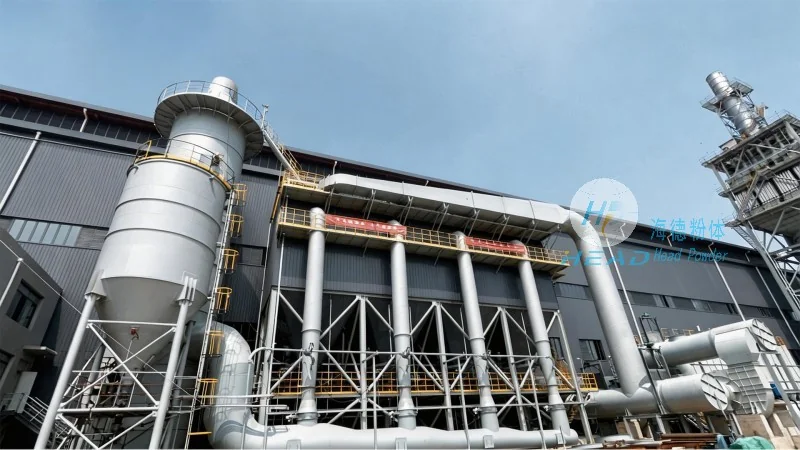
At the core of carbon fiber powder conveying systems are several critical components that enable smooth material handling. The primary components include a hopper for material storage, a conveyor mechanism (such as a screw or pneumatic conveyor), a control system for operation, and a dust collection system to maintain air quality. Each component plays a vital role in the overall functionality of the machine. The hopper is typically made of corrosion-resistant materials to prevent contamination of the carbon fiber powder, which is crucial for maintaining the material's quality and performance. The conveyor mechanism is engineered to handle the abrasive nature of carbon fiber powders, ensuring minimal wear and tear over time. The control system allows operators to adjust the speed and flow rate of the conveyor, providing flexibility in handling different powder types and quantities. The dust collection system is integrated to capture fine particles, preventing airborne contamination and ensuring a safe working environment.
The Operation Process of Carbon Fiber Powder Conveying Machines
The operation process of carbon fiber powder conveying machines begins with the loading of carbon fiber powder into the hopper. The powder is then fed into the conveyor mechanism, which transports it to the processing unit. The conveyor speed can be adjusted based on the required flow rate, allowing for precise control over the material delivery. As the powder moves through the conveyor, it is continuously monitored for any blockages or irregularities. The control system provides real-time feedback, enabling operators to intervene if necessary. The conveying process is designed to minimize particle degradation and maintain the powder's integrity, which is essential for downstream applications. After the powder reaches the processing unit, the system can be adjusted to start or stop the conveyor, ensuring efficient material handling throughout the production cycle.
Working Principle of Carbon Fiber Powder Conveying Machines
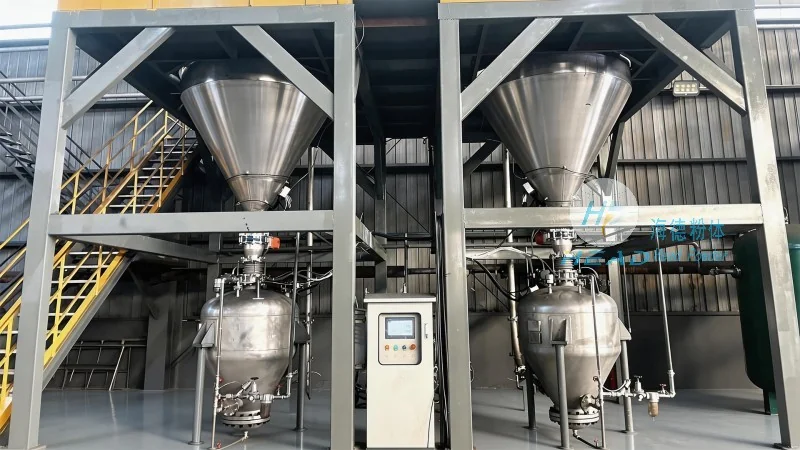
The working principle of carbon fiber powder conveying machines is based on mechanical or pneumatic forces to move the powder from the source to the destination. Mechanical conveyors, such as screw conveyors, use rotating screws to push the powder forward, while pneumatic conveyors utilize air pressure to transport the powder through a pipeline. Both systems are designed to handle the unique properties of carbon fiber powders, including their high strength, low density, and abrasive nature. The mechanical system offers advantages in terms of reliability and low maintenance, as it does not require compressed air. The pneumatic system, on the other hand, provides flexibility in terms of material transport distance and can handle larger volumes of powder. The choice between mechanical and pneumatic systems depends on the specific application requirements, such as the distance between the storage and processing units, the volume of powder to be transported, and the need for dust control.
Advantages of Carbon Fiber Powder Conveying Machines
Carbon fiber powder conveying machines offer several advantages over traditional material handling methods. One of the key benefits is the ability to maintain the purity and quality of the carbon fiber powder, which is critical for applications in aerospace, automotive, and sports equipment manufacturing. The enclosed system prevents contamination from external factors, ensuring that the powder remains free from moisture, dust, or other impurities. Another advantage is the efficiency in material handling, as these machines can transport large volumes of powder at a consistent rate, reducing downtime and increasing productivity. The adjustable speed and flow rate features allow for customization based on production needs, providing flexibility in operation. Additionally, the integration of dust collection systems enhances workplace safety by reducing airborne particles, which is important for maintaining a healthy working environment.

Applications of Carbon Fiber Powder Conveying Machines
Carbon fiber powder conveying machines are widely used in various industries that rely on carbon fiber materials. In the aerospace industry, these machines are used to transport carbon fiber powders for composite manufacturing, where the quality and consistency of the powder are crucial for the performance of aircraft components. In the automotive industry, they are employed in the production of lightweight parts, such as car bodies and engine components, where carbon fiber reinforcement is essential for improving strength and reducing weight. The sports equipment industry also utilizes these machines for manufacturing high-performance products, such as bicycle frames and tennis rackets, which require precise control over the carbon fiber powder flow. Furthermore, in the manufacturing of carbon fiber reinforced polymers (CFRPs), these conveying systems play a vital role in ensuring uniform material distribution, which is critical for achieving the desired mechanical properties of the final product.
Maintenance and Troubleshooting of Carbon Fiber Powder Conveying Machines
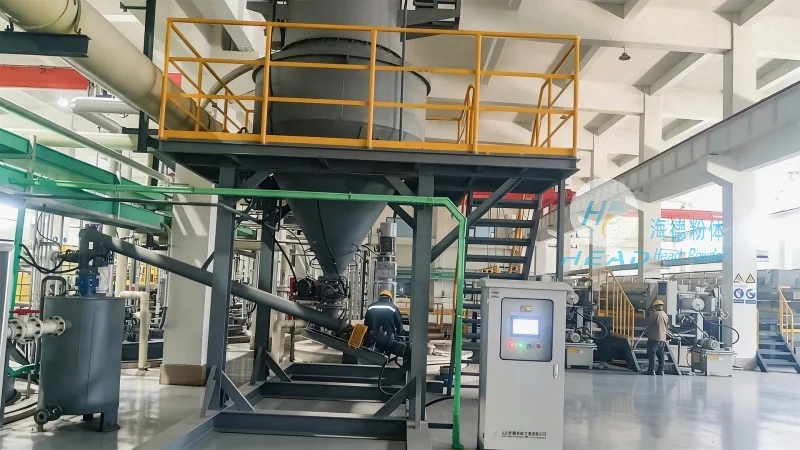
Maintaining the performance and longevity of carbon fiber powder conveying machines is essential for optimal operation. Regular maintenance includes cleaning the hopper and conveyor components to prevent powder buildup, which can lead to blockages and reduced efficiency. The conveyor screws and blades should be inspected regularly for wear and tear, and replaced if necessary to ensure smooth material flow. The control system and sensors should be checked for proper functionality to avoid operational issues. Troubleshooting common problems, such as conveyor jams or reduced flow rates, involves checking for blockages, adjusting the conveyor speed, and ensuring proper powder loading. If the problem persists, it may be necessary to inspect the dust collection system for clogs or malfunctions. Proper maintenance and timely troubleshooting can help minimize downtime and extend the lifespan of the machine.
Conclusion
Carbon fiber powder conveying machines are critical equipment for industries that rely on high-performance carbon fiber materials. The operation process and working principle of these systems involve careful design and integration of components to ensure efficient and reliable material handling. By understanding the key components, operation process, and working principles, manufacturers can optimize their production processes and maintain the quality of carbon fiber powders. With proper maintenance and troubleshooting, these machines can provide consistent performance, contributing to increased productivity and product quality in various applications.