With more than 10‑year industry experience, Shandong Headpowder delivers full‑service pneumatic‑conveying systems and blowers, undertaking nationwide turn‑key powder‑handling projects.
For sugar processing facilities, efficient and reliable material handling is crucial to maintaining production efficiency and product quality. Pneumatic conveying systems, particularly those designed for sugar, offer a solution that addresses the unique challenges of transporting granular sugar products. This article explores the fundamental principles behind sugar pneumatic conveyors and highlights key working scene characteristics that make them an ideal choice for sugar processing operations.
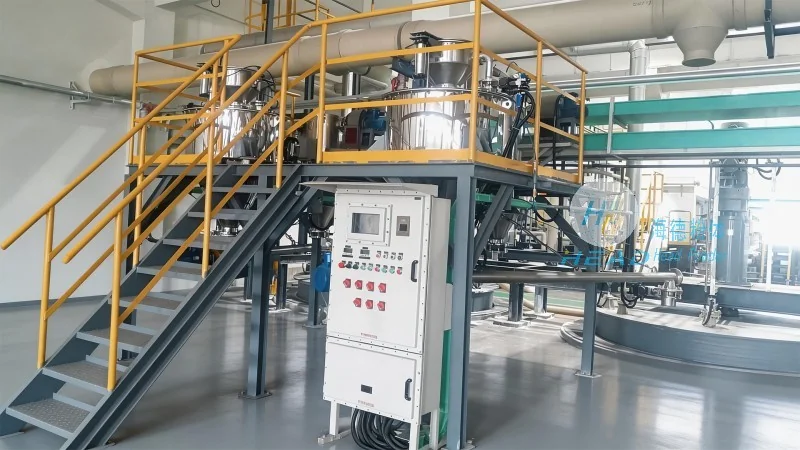
Sugar pneumatic conveying systems operate on the principle of using air to transport solid particles, such as granulated sugar, through a pipeline. The process typically involves creating a pressure differential between the inlet and outlet of the system. In a positive pressure system, air is forced into the conveying line, carrying the sugar particles forward. Conversely, a negative pressure system draws air and particles from the source, creating a vacuum that pulls the material through the line. Both methods are effective, but the choice depends on the specific application, including the distance to be covered and the type of sugar being handled.
The efficiency of a sugar pneumatic conveyor is influenced by several factors, including the air velocity, particle size, and moisture content of the sugar. Proper air velocity ensures that the sugar particles are fully entrained and transported without causing excessive wear on the system components. Additionally, the design of the conveying line, including the use of bends, filters, and cyclones, plays a critical role in maintaining the integrity of the sugar and preventing clogging or blockages. The system's ability to handle variations in sugar consistency, such as from raw sugar to refined white sugar, is also a key consideration in its design.
One of the primary advantages of sugar pneumatic conveyors is their ability to handle bulk material transport in a clean and hygienic manner. Unlike traditional mechanical conveyors, which may introduce contaminants or cause product degradation through friction, pneumatic systems keep the sugar in a closed environment, minimizing exposure to air, moisture, and other external factors. This is particularly important in the sugar industry, where product purity is paramount.
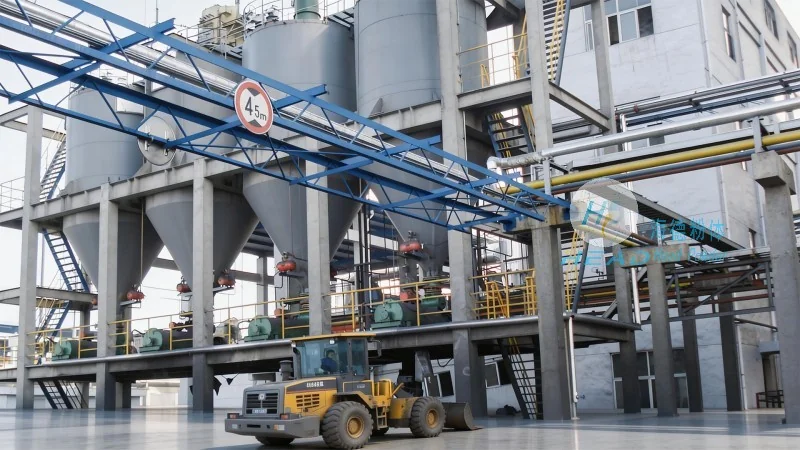
Another significant characteristic is the flexibility of pneumatic conveying systems. They can be easily integrated into existing sugar processing lines, allowing for the transport of sugar from various points, such as storage silos, processing units, or packaging areas. The ability to change the direction of the conveying line through the use of valves and control systems provides operational flexibility, enabling the system to adapt to different production schedules and product flows.
Efficiency and cost-effectiveness are also key working scene characteristics. Pneumatic conveyors can transport large volumes of sugar over considerable distances with minimal energy consumption compared to other methods like belt conveyors or bucket elevators. The reduced need for maintenance, as there are fewer moving parts, further contributes to lower operational costs. Additionally, the system's ability to handle high-speed operations without compromising product quality makes it a preferred choice for high-volume sugar processing facilities.
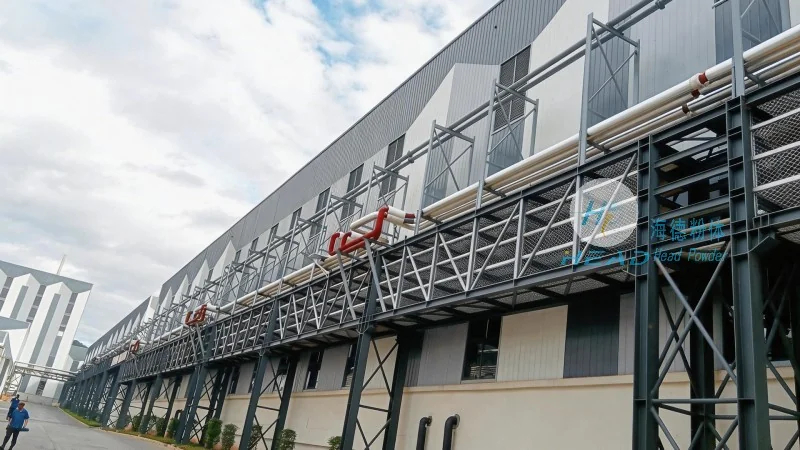
Sugar pneumatic conveyors are widely used in various stages of sugar production and processing. In the raw sugar processing stage, they are employed to transport raw sugar from storage silos to the refining equipment. The system ensures that the raw sugar is moved efficiently without breaking down the crystals, which is essential for maintaining the quality of the final product. During the refining process, pneumatic conveyors are used to transport refined white sugar from the refining units to packaging areas, ensuring that the sugar remains in a clean and dry state.
In addition to internal processing, sugar pneumatic conveyors are also used in the storage and distribution phases. They can transport sugar from large storage tanks to smaller containers or trucks, facilitating the movement of bulk sugar to different locations. The ability to handle both dry and slightly moist sugar, depending on the system design, makes them versatile for various storage conditions.
Overall, sugar pneumatic conveyors represent a sophisticated and efficient solution for material handling in the sugar industry. By leveraging the principles of air movement to transport granular sugar, these systems offer advantages in cleanliness, flexibility, and cost-effectiveness. For companies operating in the sugar sector, investing in a well-designed pneumatic conveying system can significantly enhance production efficiency and product quality. As a leading provider of engineering solutions for the powder and bulk material handling industry, Shandong HeadPowder Engineering Co., Ltd. specializes in designing and manufacturing custom pneumatic conveying systems tailored to the specific needs of sugar processing facilities. With a focus on innovation and quality, HeadPowder ensures that their systems meet the highest standards of performance and reliability, supporting the success of their clients in the competitive sugar market.

 Shandong Headpowder Engineering Co., Ltd.
 156-6277-7102(Manager Zhang)
  0531-83386006
  Zhangqiu District, Jinan City, Shandong Province, China
telephone
WeChatconsult
top