With more than 10‑year industry experience, Shandong Headpowder delivers full‑service pneumatic‑conveying systems and blowers, undertaking nationwide turn‑key powder‑handling projects.
For industrial applications involving sulfur tablets, efficient powder conveying systems are essential to ensure smooth material handling and process reliability. The operating process and working principle of such systems are critical for optimizing production efficiency and maintaining product quality. This article provides a detailed overview of the key aspects involved in the powder conveying of sulfur tablets, highlighting the technical considerations and operational steps that contribute to effective material transport.
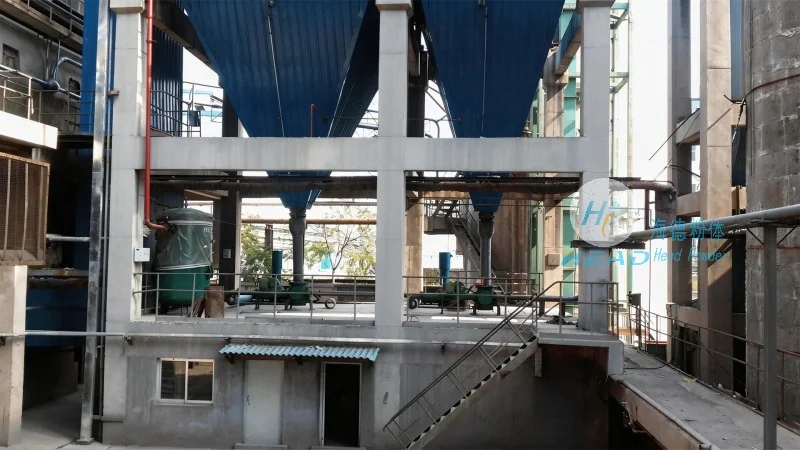
HeadPowder Engineering Co., Ltd., a leading provider of specialized engineering solutions, specializes in the design and implementation of advanced powder conveying systems tailored to the unique requirements of sulfur tablet processing. With a focus on precision, durability, and energy efficiency, their systems are engineered to handle the specific challenges associated with sulfur tablet powder, including its chemical properties and physical characteristics. The company’s expertise in powder handling technology ensures that clients receive customized solutions that meet their operational needs while adhering to industry standards and safety regulations.
The powder conveying system for sulfur tablets typically consists of several interconnected components that work in tandem to achieve efficient material transport. These components include a hopper for material storage, a feeder to control the flow rate, a conveyor mechanism (such as a screw conveyor or pneumatic system), and a control unit to monitor and adjust the process. Each component plays a vital role in the overall operation, and their proper integration is crucial for maintaining consistent performance. The hopper is designed to hold a sufficient quantity of sulfur tablets, ensuring a stable supply to the feeder. The feeder, often a rotary valve or a gravimetric feeder, regulates the flow of powder into the conveyor, preventing overloading and ensuring a steady feed rate. The conveyor mechanism, which may be a screw conveyor for bulk material handling or a pneumatic system for fine powder transport, moves the sulfur tablets from the hopper to the processing equipment. The control unit, equipped with sensors and feedback mechanisms, monitors parameters such as flow rate, pressure, and temperature, allowing for real-time adjustments to optimize the conveying process.
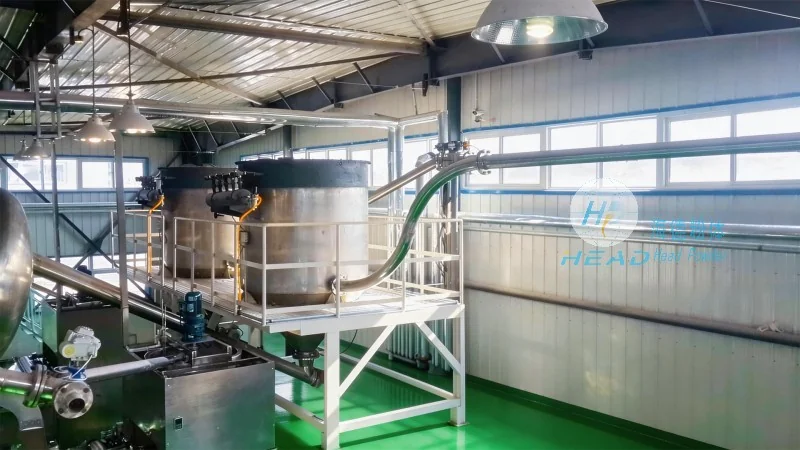
The operation of the powder conveying system for sulfur tablets begins with the loading of the hopper. The sulfur tablets are fed into the hopper, which is typically equipped with a lid to prevent contamination and maintain material integrity. Once the hopper is filled, the feeder starts to regulate the flow of powder into the conveyor. The conveyor mechanism then transports the sulfur tablets from the hopper to the downstream processing equipment, such as a mixer or a press. The control unit continuously monitors the system parameters, adjusting the feeder speed or conveyor speed as needed to maintain a consistent flow rate. This dynamic adjustment ensures that the processing equipment receives a steady supply of sulfur tablets, preventing bottlenecks or overloading. The system operates in a continuous mode, with the conveyor running continuously as long as the hopper contains material. When the hopper is empty, the system may pause or switch to a standby mode, depending on the operational settings. The entire process is automated, minimizing the need for manual intervention and reducing the risk of human error.
The working principle of the powder conveying system for sulfur tablets is based on the principles of fluidization and mechanical transport. The system utilizes a combination of gravity, pressure, and mechanical force to move the sulfur tablets through the conveyor. In a screw conveyor, for example, the rotating screw pushes the powder forward, while the hopper’s design ensures that the powder remains in a fluidized state, reducing friction and preventing clogging. The pneumatic system, on the other hand, uses compressed air to create a flow of air that carries the sulfur tablets through the pipeline. This method is particularly effective for fine powders, as it minimizes particle degradation and maintains the material’s properties. The control unit plays a critical role in the working principle by providing feedback and adjusting the system parameters in real time. Sensors are used to measure the flow rate, pressure, and temperature, and the control unit processes this data to make adjustments to the feeder or conveyor speed. This closed-loop control system ensures that the conveying process is stable and efficient, even under varying load conditions. The working principle also incorporates safety features, such as pressure relief valves and emergency stop buttons, to prevent accidents and protect the equipment and personnel.
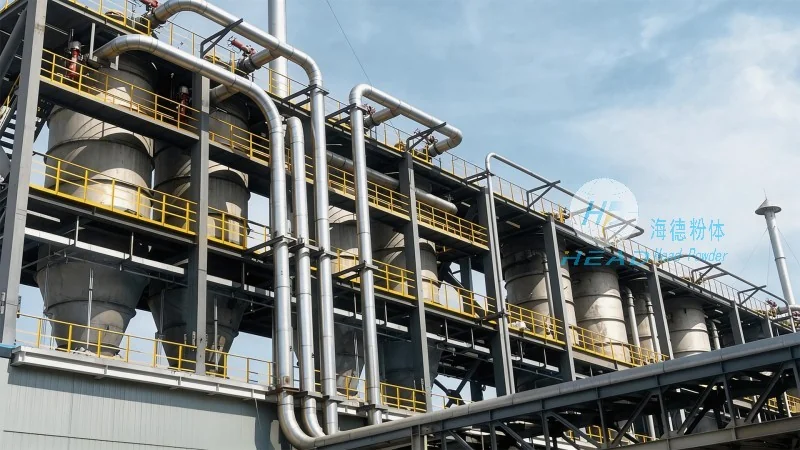
The powder conveying system for sulfur tablets offers several benefits that enhance operational efficiency and product quality. These benefits include improved material handling, reduced downtime, and enhanced safety. The system’s ability to handle sulfur tablets efficiently reduces the risk of material loss and contamination, which is crucial for maintaining product purity. The automated operation minimizes the need for manual labor, reducing labor costs and the risk of human error. The system’s design also allows for easy integration with other processing equipment, enabling seamless workflow and increased productivity. HeadPowder Engineering Co., Ltd. has successfully implemented these systems in various industrial applications, including pharmaceutical manufacturing, chemical processing, and food processing. The company’s expertise in powder handling technology has enabled them to develop customized solutions that meet the specific needs of each client, ensuring optimal performance and reliability.
In conclusion, the operating process and working principle of the powder conveying system for sulfur tablets are critical for ensuring efficient material transport and maintaining product quality. The system’s design and operation are tailored to the unique properties of sulfur tablets, ensuring that the material is handled safely and effectively. HeadPowder Engineering Co., Ltd. provides comprehensive solutions that include the design, installation, and maintenance of these systems, ensuring that clients receive reliable and efficient powder conveying solutions. With their expertise in powder handling technology, the company continues to deliver high-quality products and services that meet the evolving needs of the industry.

 Shandong Headpowder Engineering Co., Ltd.
 156-6277-7102(Manager Zhang)
  0531-83386006
  Zhangqiu District, Jinan City, Shandong Province, China
telephone
WeChatconsult
top