With more than 10‑year industry experience, Shandong Headpowder delivers full‑service pneumatic‑conveying systems and blowers, undertaking nationwide turn‑key powder‑handling projects.
Shandong HeadPowder Engineering Co., Ltd. specializes in providing advanced pneumatic conveying systems tailored for the transportation and handling of lithium carbonate. As a leading engineering firm based in Shandong, China, the company leverages cutting-edge technology to address the unique challenges associated with processing and transporting this critical material. This article explores the application and optimization strategies of pneumatic conveying technology in lithium carbonate transportation design, highlighting key considerations and solutions offered by HeadPowder.
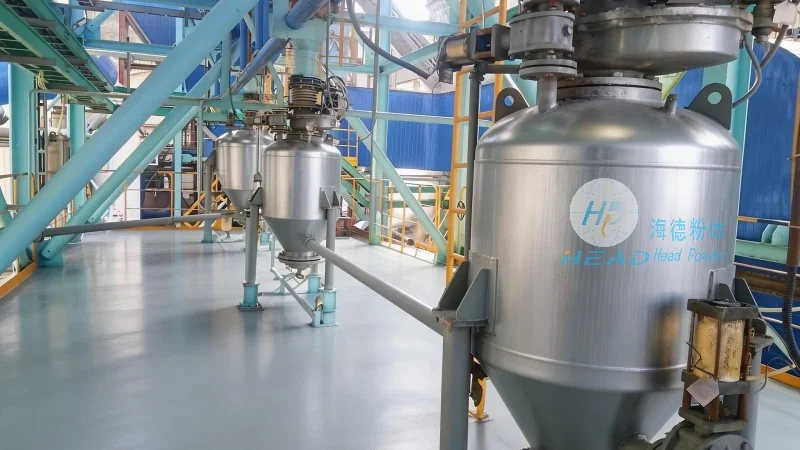
Pneumatic conveying is a method of transporting bulk materials through a pipeline using air or other gases. It offers several advantages over traditional mechanical conveying systems, such as reduced equipment wear, lower maintenance costs, and the ability to handle materials with high moisture content or fine particle sizes. For lithium carbonate, which is often processed into fine powders, pneumatic conveying provides a clean, efficient, and cost-effective solution. The technology involves creating a pressure differential within the pipeline, either by suction (negative pressure) or pressure (positive pressure), to move the material from the source to the destination.
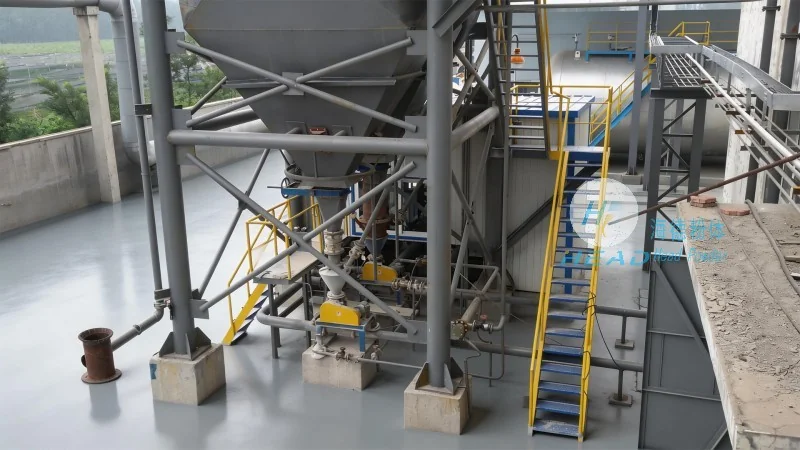
When designing a pneumatic conveying system for lithium carbonate, several factors must be carefully evaluated to ensure optimal performance and efficiency. First, the particle size and density of the lithium carbonate are critical. Fine powders require higher air velocities to prevent blockages and ensure smooth flow. The system design must account for these characteristics to maintain consistent material transport. Second, the distance and elevation changes between the source and destination affect the required air pressure and power consumption. Proper sizing of the blower or compressor is essential to meet the system's pressure and flow demands without excessive energy use. Third, material compatibility with the conveying equipment is important. Lithium carbonate is generally non-corrosive, but the system components must be selected to withstand the material's properties and operating conditions. HeadPowder engineers consider these factors to develop customized solutions that meet specific operational requirements.
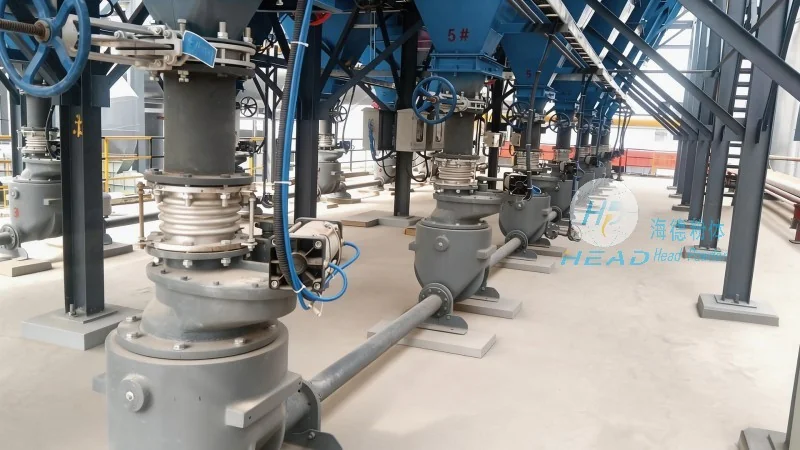
Optimizing a pneumatic conveying system for lithium carbonate involves several strategies aimed at improving efficiency, reducing costs, and enhancing reliability. One key approach is the selection of the appropriate conveying type—either dilute-phase or dense-phase. Dilute-phase systems use lower air velocities and are suitable for shorter distances or less demanding applications, while dense-phase systems use higher air velocities and are ideal for longer distances or when precise material control is needed. For lithium carbonate, dense-phase conveying may be preferred to minimize material degradation and ensure consistent product quality. Another optimization strategy is the implementation of control systems that monitor and adjust air pressure, flow rate, and material feed rate in real-time. This allows for dynamic adjustments based on process changes, preventing overloading or underloading of the system. Additionally, regular maintenance and inspection of system components, such as filters, cyclones, and pipelines, are crucial to maintain system performance and prevent downtime. HeadPowder employs these optimization techniques to deliver systems that operate efficiently and reliably over extended periods.
HeadPowder has successfully implemented pneumatic conveying systems for lithium carbonate in various industrial settings. For example, a client in the battery materials industry required a system to transport fine lithium carbonate from a processing plant to a storage silo over a distance of 200 meters with a 10-meter elevation change. The HeadPowder team designed a dense-phase pneumatic conveying system using a high-efficiency blower and a cyclone separator to ensure clean material transfer. The system was optimized to operate at a pressure of 0.8 MPa, with an air flow rate of 150 m³/h, resulting in a material transport rate of 10 tons per hour. The client reported significant cost savings in terms of reduced labor and equipment wear compared to traditional mechanical conveying methods. Another case involved a lithium carbonate producer who needed to transport material from a hopper to a packaging line over a short distance of 50 meters. The HeadPowder solution utilized a dilute-phase system with a low-pressure blower, achieving a transport rate of 5 tons per hour while maintaining material quality. These case studies demonstrate the versatility and effectiveness of pneumatic conveying technology in lithium carbonate handling, as well as the expertise of HeadPowder in designing and implementing tailored solutions.
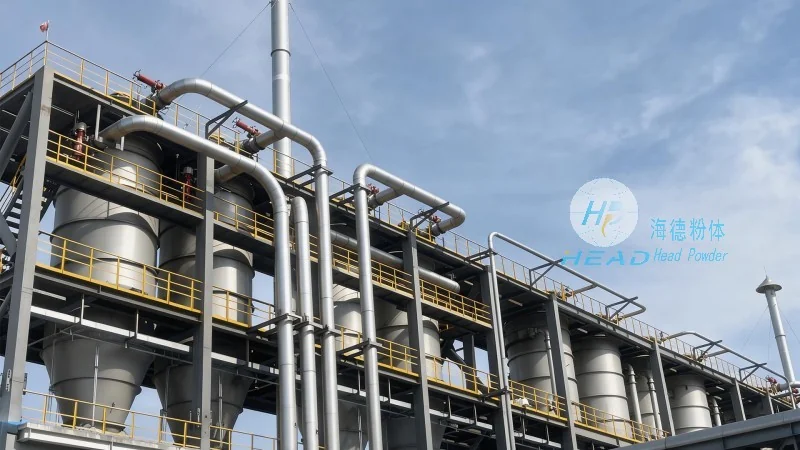
As the demand for lithium carbonate continues to grow in the battery and electronics industries, the need for efficient and reliable transportation systems becomes increasingly important. Pneumatic conveying technology offers a robust solution for handling this critical material, and optimization strategies play a vital role in maximizing system performance. Shandong HeadPowder Engineering Co., Ltd. remains committed to providing advanced engineering solutions that address the unique challenges of lithium carbonate transportation. By leveraging their expertise in pneumatic conveying systems, HeadPowder helps clients achieve operational efficiency, cost savings, and product quality in their lithium carbonate handling processes. The company's focus on customized solutions and continuous optimization ensures that their systems meet the evolving needs of the industry, supporting the sustainable development of lithium-based technologies.

 Shandong Headpowder Engineering Co., Ltd.
 156-6277-7102(Manager Zhang)
  0531-83386006
  Zhangqiu District, Jinan City, Shandong Province, China
telephone
WeChatconsult
top