With more than 10‑year industry experience, Shandong Headpowder delivers full‑service pneumatic‑conveying systems and blowers, undertaking nationwide turn‑key powder‑handling projects.
Understanding the operation process and working principle of cement auxiliary powder bulk material handling systems is crucial for optimizing industrial efficiency in the cement and powder processing sectors. This article provides a detailed overview of the technology, focusing on the systems developed by Shandong HeadPowder Engineering Co., Ltd., a leading enterprise based in Shandong, China.
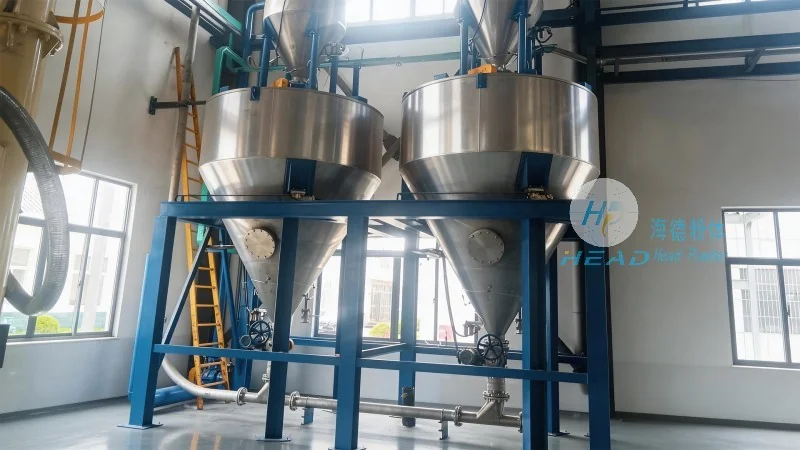
Cement auxiliary powders, such as fly ash, slag, and limestone, are essential components in modern cement production. Efficient and reliable bulk material handling is vital to maintain consistent quality and operational productivity. The systems designed by HeadPowder leverage advanced engineering principles to ensure seamless transfer of these powders from storage to processing units. With a strong presence in Shandong, China, the company has established itself as a trusted provider of customized bulk material handling solutions tailored to the specific needs of the cement industry.
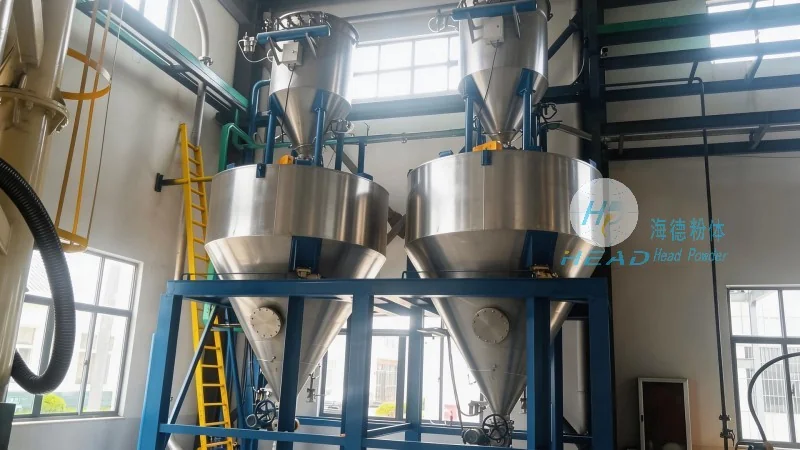
The bulk material handling system for cement auxiliary powders typically consists of several key components that work in tandem to achieve efficient material transfer. These include feeders, conveying equipment, storage silos, and control systems. The feeders, often rotary or vibratory types, are responsible for uniformly feeding the powder from storage silos into the conveying line. The conveying equipment, which may be pneumatic or mechanical, transports the material through pipelines to the target location. Storage silos are strategically designed to hold large quantities of auxiliary powders, ensuring a steady supply. The control system integrates sensors, valves, and automation software to monitor and regulate the entire process, optimizing performance and minimizing downtime.
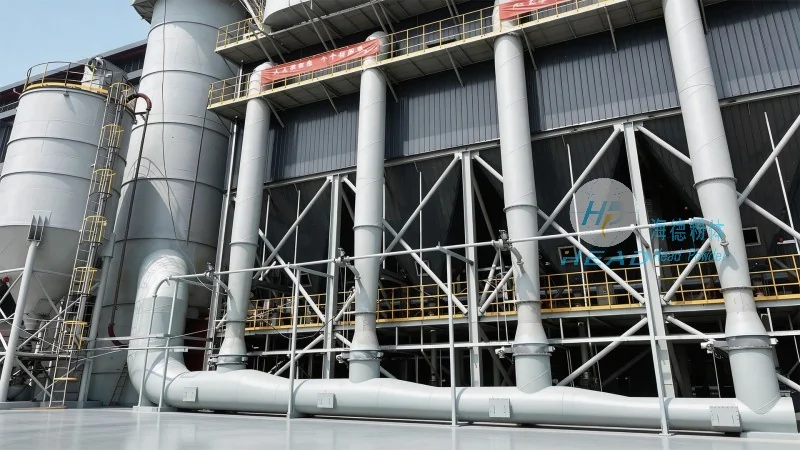
The operation process of the cement auxiliary powder bulk material handling system begins with the preparation of the material in the storage silo. The feeder then activates, drawing the powder into the conveying line. Depending on the system design, the material may be transported via pneumatic pressure or mechanical force. In pneumatic systems, compressed air propels the powder through the pipeline, while mechanical systems use screws or belts to move the material. The control system continuously monitors parameters such as pressure, flow rate, and material level, adjusting the operation in real-time to maintain optimal conditions. This dynamic control ensures that the material is delivered at the required rate and quality, preventing issues like blockages or uneven flow. The entire process is automated, reducing the need for manual intervention and enhancing operational safety.
HeadPowder's bulk material handling systems offer several technical advantages that contribute to improved efficiency and cost-effectiveness. The use of advanced materials and engineering designs minimizes wear and tear, extending the lifespan of components. The automated control system reduces energy consumption by optimizing air or power usage based on actual demand. Additionally, the systems are designed for easy maintenance, with accessible components and diagnostic tools that help identify and resolve issues quickly. This leads to lower operational costs and higher overall productivity. The reliability of the system is further enhanced by redundant safety features, ensuring that the process continues even in the event of a minor malfunction, thus minimizing production disruptions.
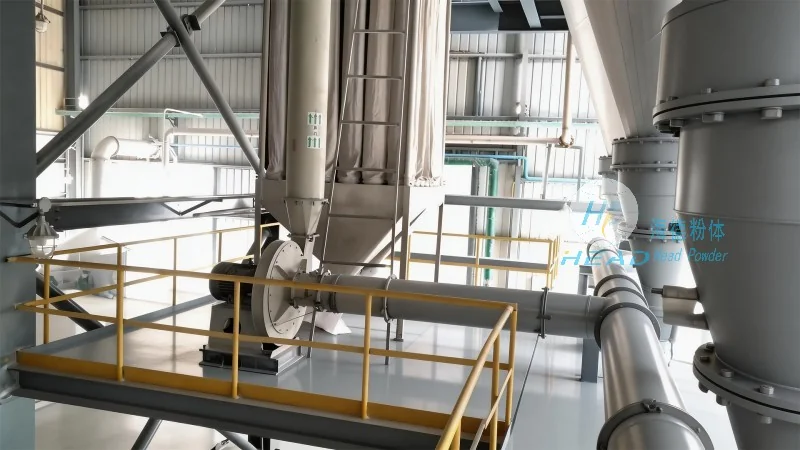
The bulk material handling systems developed by Shandong HeadPowder Engineering Co., Ltd. are widely applied in various cement production facilities and powder processing plants. In cement factories, these systems are used to transport fly ash, slag, and limestone to the mixing and grinding units, ensuring a consistent blend of raw materials. In other industries, such as chemical and pharmaceutical processing, similar systems handle fine powders, contributing to precise material handling and quality control. The technology has a significant impact on the industry by improving the efficiency of material transfer, reducing waste, and enhancing product quality. By providing customized solutions, HeadPowder helps clients achieve their operational goals while adhering to industry standards and safety regulations.

 Shandong Headpowder Engineering Co., Ltd.
 156-6277-7102(Manager Zhang)
  0531-83386006
  Zhangqiu District, Jinan City, Shandong Province, China
telephone
WeChatconsult
top