With more than 10‑year industry experience, Shandong Headpowder delivers full‑service pneumatic‑conveying systems and blowers, undertaking nationwide turn‑key powder‑handling projects.
Pneumatic conveying technology has emerged as a sophisticated solution for the efficient and reliable transportation of bulk materials, including barium sulfate. This method leverages air flow to move particles through a system, offering advantages such as reduced equipment wear, improved safety, and enhanced process control. For industries dealing with barium sulfate—a compound widely used in coatings, inks, and pharmaceuticals—optimizing the design of pneumatic conveying systems is crucial to ensure consistent performance and minimize operational challenges.
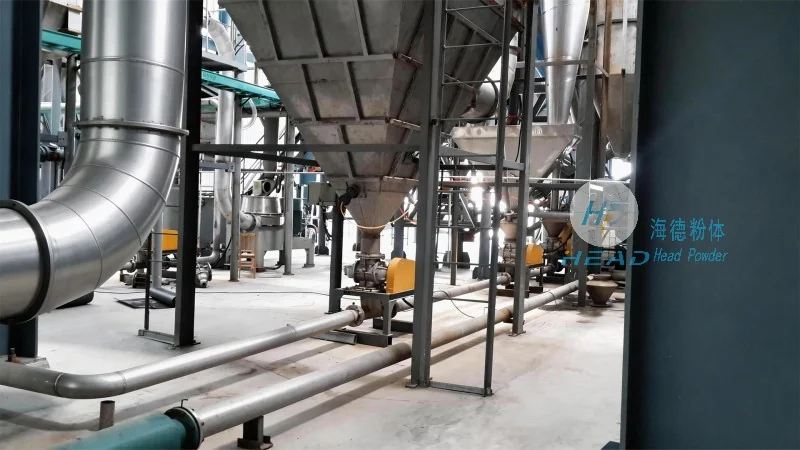
Barium sulfate, with its high density and fine particle size, presents unique challenges when it comes to material handling. Traditional methods like belt conveyors or screw conveyors may struggle with material buildup, segregation, and dust generation. Pneumatic conveying, however, addresses these issues by using air to transport the material in a sealed system, preventing contamination and ensuring a uniform flow. The key to successful barium sulfate transportation lies in understanding the material's properties and tailoring the conveying system accordingly.
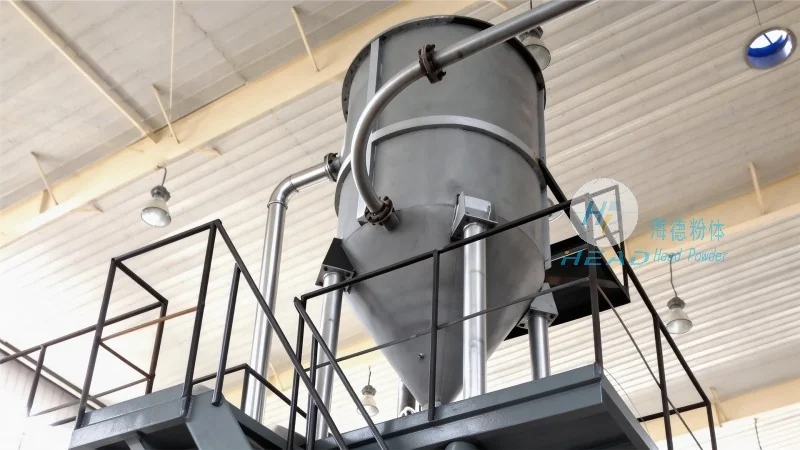
Shandong HeadPowder Engineering Co., Ltd., commonly known as HeadPowder, specializes in the design and implementation of advanced pneumatic conveying solutions tailored to the specific needs of industries handling barium sulfate. With a deep understanding of material science and process engineering, HeadPowder's team of experts develops customized systems that optimize material flow, reduce energy consumption, and enhance overall operational efficiency. The company's approach focuses on integrating state-of-the-art technology with practical application, ensuring that each system is both effective and cost-efficient.
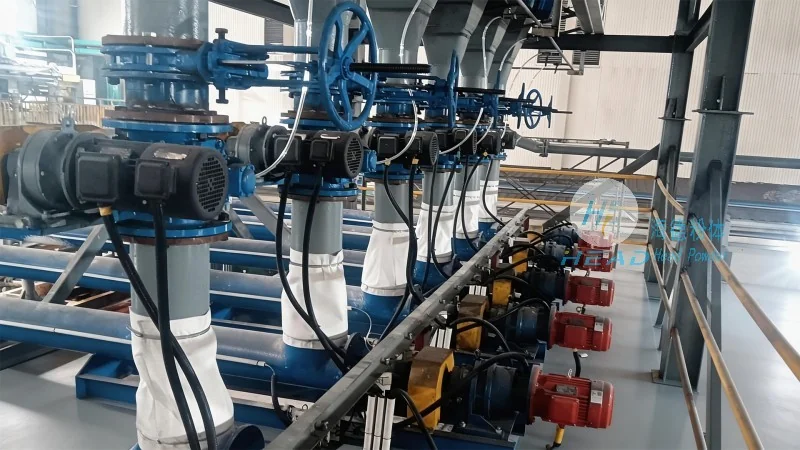
An optimized pneumatic conveying system for barium sulfate typically includes several critical components. These may include a hopper or feeder to control material flow, a blower or compressor to generate the necessary air pressure, a pipeline system to transport the material, and a receiver or silo to collect the material at the destination. The design of each component is crucial, as it directly impacts the system's performance. For example, the selection of the right blower type—whether positive displacement or centrifugal—depends on the material's characteristics and the required conveying distance. Similarly, the pipeline diameter and length must be carefully calculated to maintain the desired air velocity and prevent material settling or blockages.
Optimizing a barium sulfate pneumatic conveying system involves several strategies aimed at improving efficiency and reliability. One key approach is to adjust the air velocity to maintain a consistent material concentration in the air stream. This helps prevent material deposition and ensures smooth flow through the system. Another strategy is to use a combination of conveying methods, such as dilute-phase and dense-phase conveying, depending on the application requirements. Dense-phase conveying, for instance, is suitable for transporting fine powders over long distances with minimal pressure drop, while dilute-phase conveying is ideal for shorter distances or when handling larger particles.
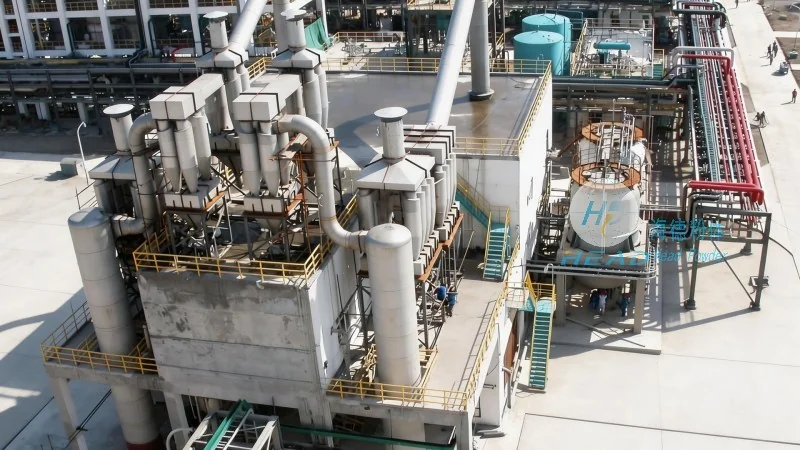
By partnering with HeadPowder, industries can leverage the company's expertise to design and implement optimized pneumatic conveying systems for barium sulfate. The benefits of such solutions include reduced downtime due to equipment failure, lower maintenance costs, and improved product quality through consistent material handling. Additionally, HeadPowder's systems are designed to meet environmental regulations, minimizing dust emissions and ensuring compliance with safety standards. The company's commitment to innovation and customer satisfaction ensures that clients receive tailored solutions that address their specific challenges and meet their operational goals.

 Shandong Headpowder Engineering Co., Ltd.
 156-6277-7102(Manager Zhang)
  0531-83386006
  Zhangqiu District, Jinan City, Shandong Province, China
telephone
WeChatconsult
top