With more than 10‑year industry experience, Shandong Headpowder delivers full‑service pneumatic‑conveying systems and blowers, undertaking nationwide turn‑key powder‑handling projects.
HeadPowder, a leading engineering firm based in Shandong, China, specializes in the design and optimization of pneumatic conveying systems for various bulk materials, including gypsum sand. This article explores the practical application and optimization strategies of pneumatic conveying technology in gypsum sand handling, highlighting key considerations and benefits for industrial operations.
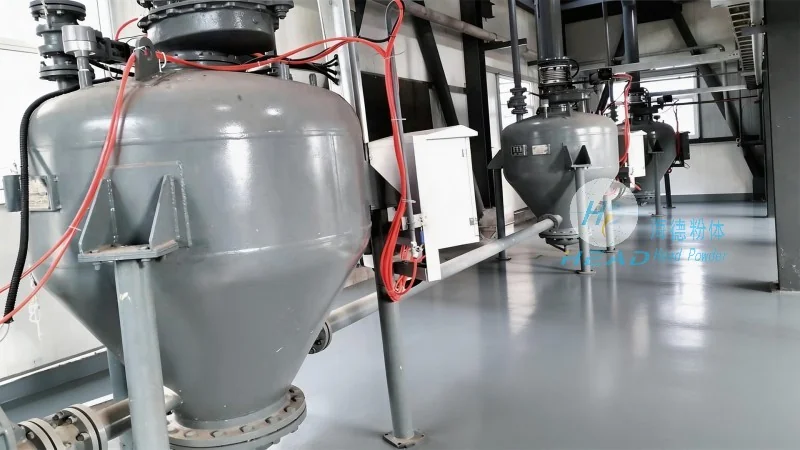
Pneumatic conveying is a method of transporting bulk materials like gypsum sand through a pipeline using air or gas as the conveying medium. Unlike mechanical systems that rely on belts or screws, pneumatic systems offer advantages such as flexibility in layout, reduced maintenance, and the ability to handle materials with varying particle sizes and moisture content. For gypsum sand, which is commonly used in construction and industrial applications, efficient and reliable transport is crucial to ensure consistent product quality and operational efficiency.
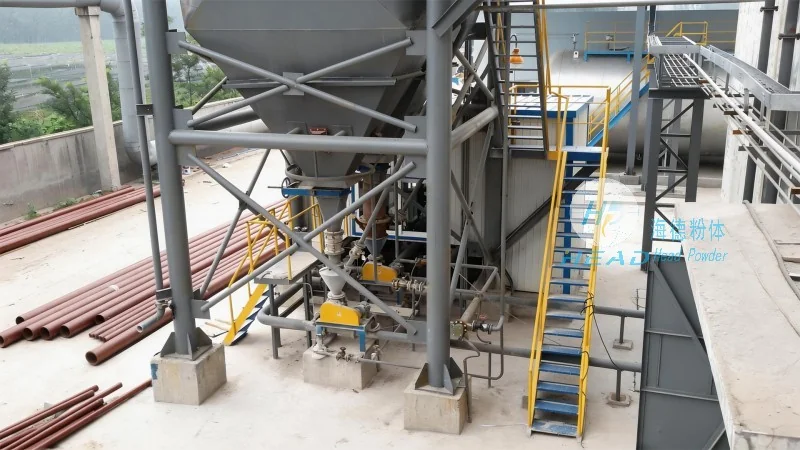
When designing a pneumatic conveying system for gypsum sand, several critical factors must be considered to ensure optimal performance. First, the system's capacity and flow rate must match the production requirements of the facility. This involves selecting appropriate air velocities and pipeline diameters to prevent material settling or blockages. Second, the choice of conveying mode—either dilute phase or dense phase—depends on the material's properties and the distance to be covered. Dilute phase systems are suitable for short distances and low to medium material loads, while dense phase systems are ideal for longer distances and higher material concentrations, minimizing the risk of material degradation.
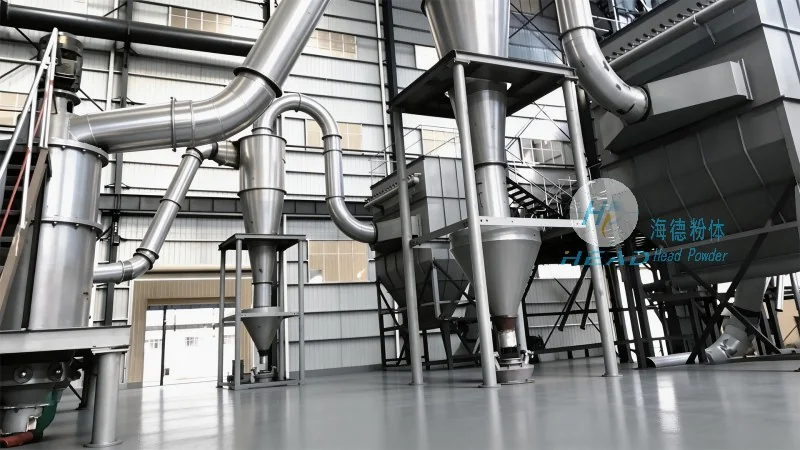
Optimizing a pneumatic conveying system for gypsum sand involves continuous monitoring and adjustment of key parameters. HeadPowder employs advanced control systems to regulate air pressure, flow rate, and material feed rate, ensuring stable operation and preventing system overload. Regular maintenance of components such as air filters, cyclones, and material separators is also essential to maintain system efficiency and prolong equipment lifespan. Additionally, incorporating feedback mechanisms allows for real-time adjustments based on operational data, enhancing system adaptability to changing production demands.
The application of optimized pneumatic conveying technology in gypsum sand handling offers numerous benefits for industrial operations. These include improved material handling efficiency, reduced labor costs due to automated systems, and enhanced product quality by minimizing material contamination or degradation. Furthermore, pneumatic systems contribute to a safer working environment by eliminating the need for manual handling of bulk materials, which can be dusty and hazardous. From a cost perspective, well-designed systems can lead to significant savings in energy consumption and maintenance expenses over time.
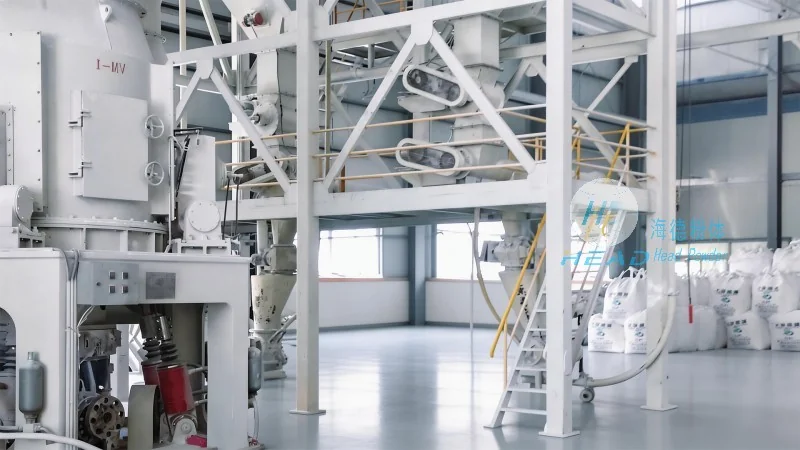
As industrial demands for efficient bulk material transport continue to grow, the optimization of pneumatic conveying technology remains a critical focus for companies like HeadPowder. By integrating advanced engineering principles, continuous monitoring, and tailored system designs, HeadPowder ensures that its clients achieve reliable, cost-effective, and sustainable gypsum sand conveying solutions. The company's expertise in pneumatic conveying systems, combined with its commitment to innovation, positions it as a trusted partner for industrial facilities seeking to enhance their material handling capabilities.

 Shandong Headpowder Engineering Co., Ltd.
 156-6277-7102(Manager Zhang)
  0531-83386006
  Zhangqiu District, Jinan City, Shandong Province, China
telephone
WeChatconsult
top