With more than 10‑year industry experience, Shandong Headpowder delivers full‑service pneumatic‑conveying systems and blowers, undertaking nationwide turn‑key powder‑handling projects.
HeadPowder, a professional manufacturer based in Shandong, China, specializes in the design, production, and installation of pneumatic conveying systems tailored for rice flour processing. The operation of a rice flour pneumatic conveying system involves a series of integrated steps that ensure efficient material transport from the source to the destination while maintaining product quality and system efficiency.
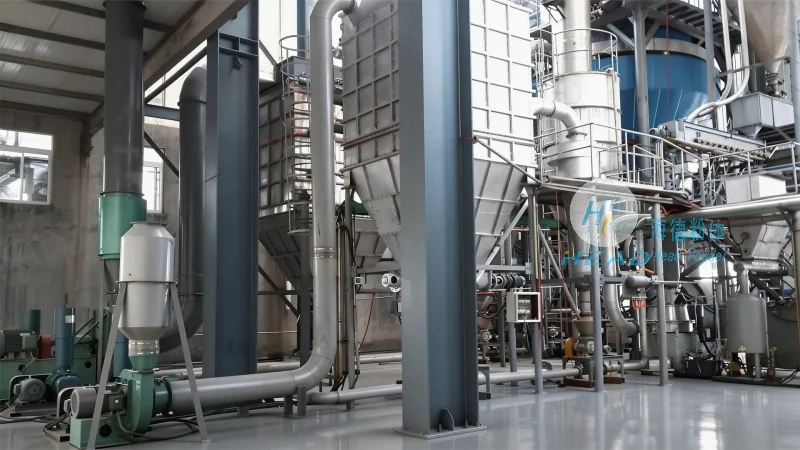
The rice flour pneumatic conveying system typically consists of several key components, each playing a crucial role in the overall operation. These components include the material hopper, rotary valve, air compressor, conveying pipeline, dust filter, and material receiver. The material hopper stores the rice flour, while the rotary valve controls the flow of material into the system. The air compressor generates the necessary air pressure to move the material through the pipeline. The conveying pipeline transports the rice flour, and the dust filter ensures that the air leaving the system is clean and free from particulate matter. The material receiver collects the conveyed rice flour at the destination.
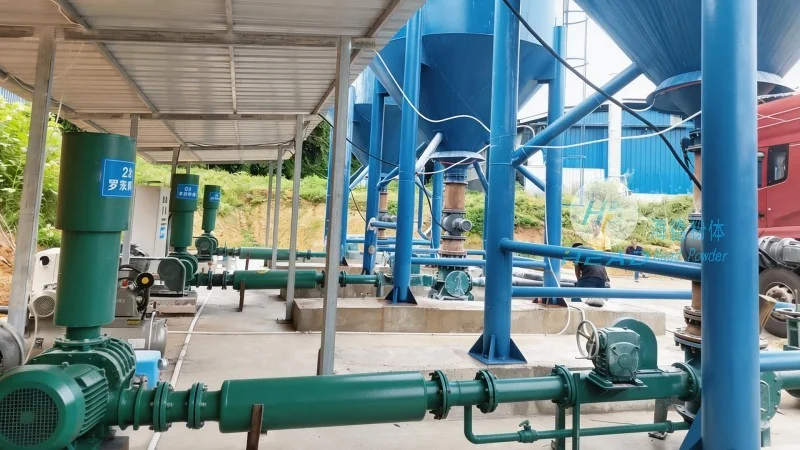
The working principle of the rice flour pneumatic conveying system is based on the principle of fluidization and pneumatic transport. When the air compressor starts, it generates high-pressure air that is introduced into the conveying pipeline. The rotary valve then releases the rice flour from the hopper into the pipeline. The high-pressure air creates a flow that lifts and transports the rice flour particles through the pipeline. As the rice flour moves, it is mixed with the air, forming a suspension that travels to the material receiver. The dust filter captures any fine particles that may be present in the air, ensuring that the air discharged is clean and safe. The system operates continuously, with the air compressor maintaining the required pressure to keep the conveying process stable and efficient.
The operation of the rice flour pneumatic conveying system follows a systematic process that ensures smooth and reliable material transport. The process begins with the loading of rice flour into the material hopper. The rotary valve then opens to allow the rice flour to enter the conveying pipeline. The air compressor starts, and the high-pressure air is introduced into the pipeline. The rice flour is then transported through the pipeline to the material receiver. The dust filter continuously operates to remove any dust or particles from the air. The system monitors the pressure and flow rates to ensure optimal performance. Any adjustments to the system, such as changing the air pressure or adjusting the rotary valve speed, are made to maintain the desired conveying efficiency. The entire process is automated, with minimal human intervention required, ensuring consistent and reliable operation.
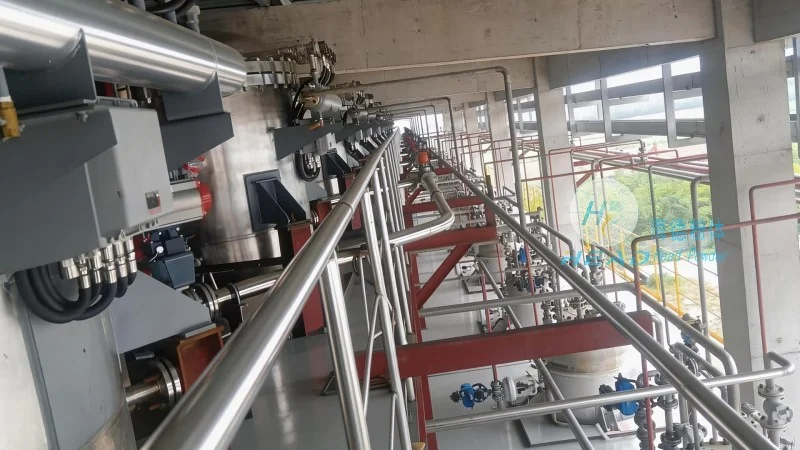
The rice flour pneumatic conveying system offers several advantages over traditional conveying methods. First, it provides a dust-free and hygienic environment, which is essential for food processing applications like rice flour. Second, the system is compact and can be installed in various locations, making it suitable for different production facilities. Third, the system is energy-efficient, as it uses less power compared to other conveying methods. Fourth, the system is easy to maintain and clean, which reduces downtime and maintenance costs. Finally, the system is flexible and can be customized to meet the specific needs of the rice flour processing plant.

 Shandong Headpowder Engineering Co., Ltd.
 156-6277-7102(Manager Zhang)
  0531-83386006
  Zhangqiu District, Jinan City, Shandong Province, China
telephone
WeChatconsult
top