With more than 10‑year industry experience, Shandong Headpowder delivers full‑service pneumatic‑conveying systems and blowers, undertaking nationwide turn‑key powder‑handling projects.
Steel and limestone pneumatic conveying systems are critical components in modern industrial operations, particularly within the steel and mineral processing sectors. These systems efficiently transport bulk materials like steel powders and limestone over long distances, ensuring smooth production workflows and maintaining operational efficiency. The operation process and working principles of such systems involve a series of integrated steps that optimize material handling while minimizing downtime and maintenance costs.
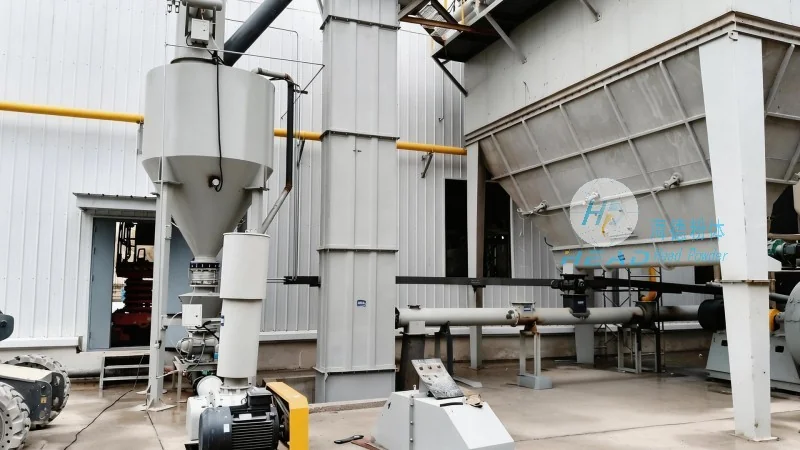
The core of a steel and limestone pneumatic conveying system consists of several essential components, each playing a vital role in the overall functionality. The system typically includes a material hopper for storage, a feeder to control the flow rate, a conveying pipeline, a blower or air compressor to generate the necessary air pressure, and a receiver or discharge point for the material. Additionally, components like filters, cyclones, and silos may be integrated to manage dust and ensure material purity. Each part works in harmony to facilitate the reliable and efficient transport of bulk materials.
The operation process of a steel and limestone pneumatic conveying system begins with the loading of material into the hopper. The feeder then regulates the material flow, ensuring a consistent feed rate to the conveying pipeline. The blower or air compressor generates a high-pressure air stream that propels the material particles through the pipeline. As the material travels, it is suspended in the air stream, allowing for efficient transport. Upon reaching the discharge point, the material is separated from the air, often using a cyclone or filter system. The separated material is then collected in a receiver or silo, while the air is either filtered or recycled back into the system to maintain energy efficiency. This process ensures that steel and limestone are transported safely and effectively, minimizing material loss and operational disruptions.
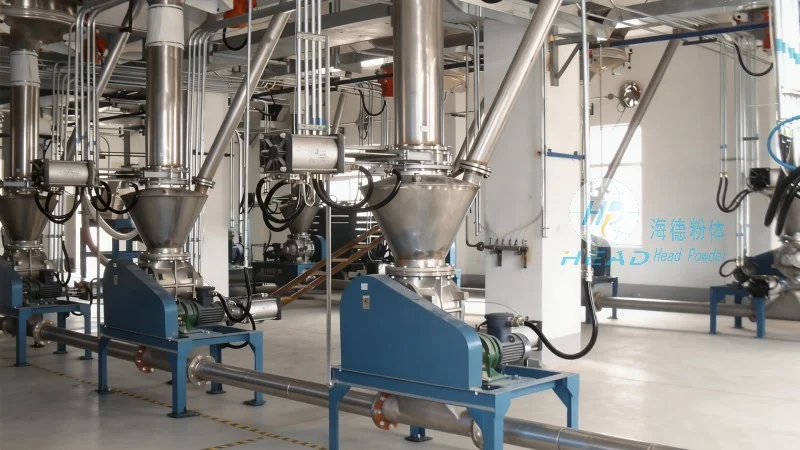
The working principle of a steel and limestone pneumatic conveying system is based on the fundamental concept of fluidization and particle suspension. The system uses compressed air to create a flow that carries the bulk material through the pipeline. The air pressure and velocity are carefully controlled to maintain the material in a suspended state, preventing blockages and ensuring smooth transport. The choice of conveying method—such as dilute-phase or dense-phase—depends on the material characteristics, distance, and required flow rate. Dilute-phase systems use lower air velocities and are suitable for short distances or low material loads, while dense-phase systems use higher air velocities and are ideal for longer distances or higher material loads. The working principle also involves the use of appropriate equipment, such as rotary valves and check valves, to control the flow direction and prevent backflow, ensuring the system operates reliably under various conditions.
Steel and limestone pneumatic conveying systems offer numerous advantages over traditional mechanical conveying methods. These systems eliminate the need for heavy machinery and complex infrastructure, reducing installation and maintenance costs. The enclosed pipeline design minimizes dust emissions, improving workplace safety and environmental compliance. Additionally, pneumatic conveying systems provide high material handling capacity, allowing for efficient transport of large quantities of steel and limestone. The flexibility of the system allows for easy integration with existing production lines, and the ability to transport materials over long distances without intermediate storage points enhances operational efficiency. These advantages make pneumatic conveying systems a preferred choice for industries requiring reliable and efficient bulk material transport.
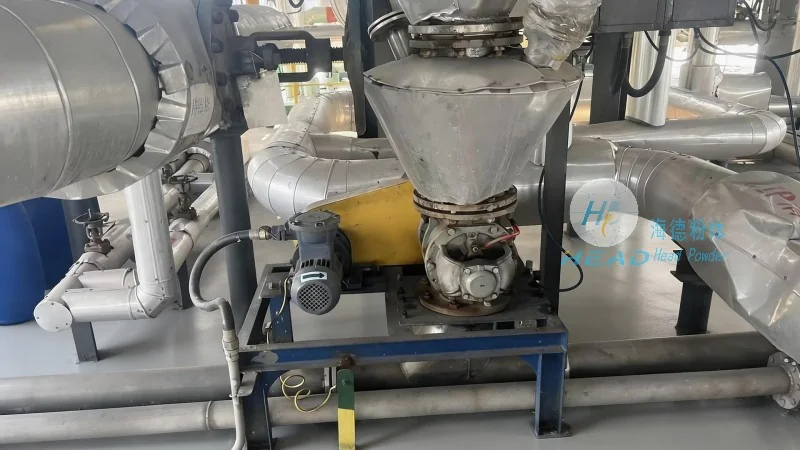
In the steel industry, steel and limestone pneumatic conveying systems are widely used in various processes, including raw material handling, flux preparation, and waste material transport. For example, limestone is a crucial flux in steelmaking, and pneumatic conveying systems efficiently transport it from storage to the blast furnace or ladle. Similarly, steel powders are used in powder metallurgy and welding applications, and pneumatic conveying ensures their safe and consistent delivery to processing equipment. The systems are also employed in the handling of steel scrap and byproducts, facilitating the recycling process and reducing environmental impact. The ability to handle abrasive materials like steel and limestone without causing wear and tear on the equipment makes these systems highly durable and cost-effective for long-term industrial use.
Shandong HeadPowder Engineering Co., Ltd. specializes in designing and manufacturing customized steel and limestone pneumatic conveying systems tailored to specific industrial needs. The company offers a range of technical specifications, including different pipeline materials (such as stainless steel, carbon steel, or plastic), blower capacities, and conveying distances. Clients can choose from dilute-phase or dense-phase systems based on their material characteristics and operational requirements. The systems are designed to meet international standards for safety and efficiency, with features like automatic control systems, pressure monitoring, and alarm mechanisms to ensure safe operation. Additionally, the company provides after-sales support, including maintenance services and spare parts supply, to ensure the long-term reliability of the systems. The customization options allow industries to optimize their material handling processes, reducing downtime and improving overall productivity.

 Shandong Headpowder Engineering Co., Ltd.
 156-6277-7102(Manager Zhang)
  0531-83386006
  Zhangqiu District, Jinan City, Shandong Province, China
telephone
WeChatconsult
top