With more than 10‑year industry experience, Shandong Headpowder delivers full‑service pneumatic‑conveying systems and blowers, undertaking nationwide turn‑key powder‑handling projects.
Barite powder pneumatic conveying systems are advanced industrial solutions designed to transport barite powder efficiently and reliably. These systems are widely used in various industries, including mining, chemical processing, and construction, due to their ability to handle fine powders like barite with minimal loss and contamination. Developed by Shandong HeadPowder Engineering Co., Ltd., these systems are engineered to ensure safe and efficient material transfer, meeting the stringent requirements of modern industrial operations.
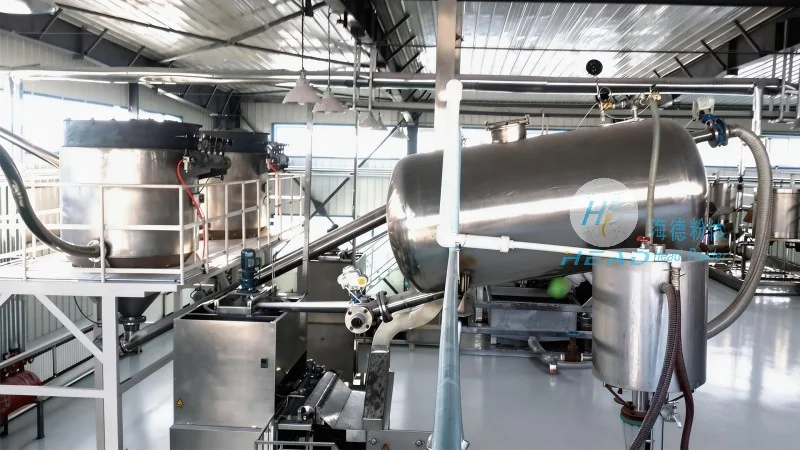
The core working principle of barite powder pneumatic conveying systems involves the use of air as the conveying medium. The system typically consists of a hopper, a blower or compressor, a pipeline network, and a discharge unit. The process begins with the barite powder being fed into the hopper. As the blower generates a high-pressure air stream, the powder is entrained and carried through the pipeline to the destination point. The air and powder mixture is then separated at the discharge point, with the air being recycled back to the blower and the powder being collected in the receiving container. This method ensures a continuous and controlled flow of barite powder, minimizing the risk of clogging and material degradation.
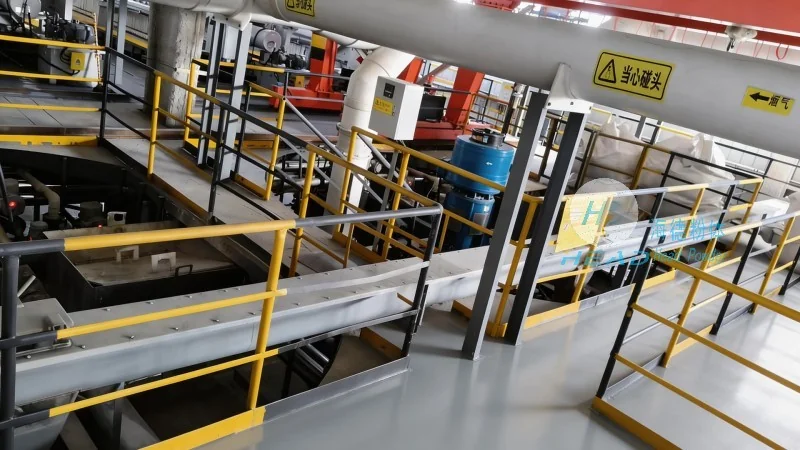
Several critical components work in tandem to ensure the smooth operation of barite powder pneumatic conveying systems. The hopper serves as the storage and feeding unit, where the barite powder is stored before being transferred. The blower or compressor provides the necessary air pressure to create the conveying stream. The pipeline network, usually made of stainless steel or other corrosion-resistant materials, ensures the safe and efficient transport of the powder-air mixture. The discharge unit, such as a rotary valve or a filter, separates the powder from the air and directs the powder to the desired location. Each component is designed to withstand the abrasive nature of barite powder and maintain long-term operational efficiency.
The operation process of a barite powder pneumatic conveying system involves several sequential steps. First, the barite powder is loaded into the hopper. The system operator then starts the blower, which creates the air pressure needed for conveying. The powder is then released from the hopper into the pipeline, where it is entrained by the air stream and transported to the discharge point. At the discharge point, the air and powder are separated, and the powder is collected in the receiving vessel. The air is recycled back to the blower, completing the cycle. Flow control is crucial in these systems, as it ensures that the powder is conveyed at the optimal rate, preventing overloading or underloading of the pipeline. Advanced control systems, such as pressure sensors and flow meters, are often integrated to monitor and adjust the conveying parameters in real-time, ensuring consistent performance.
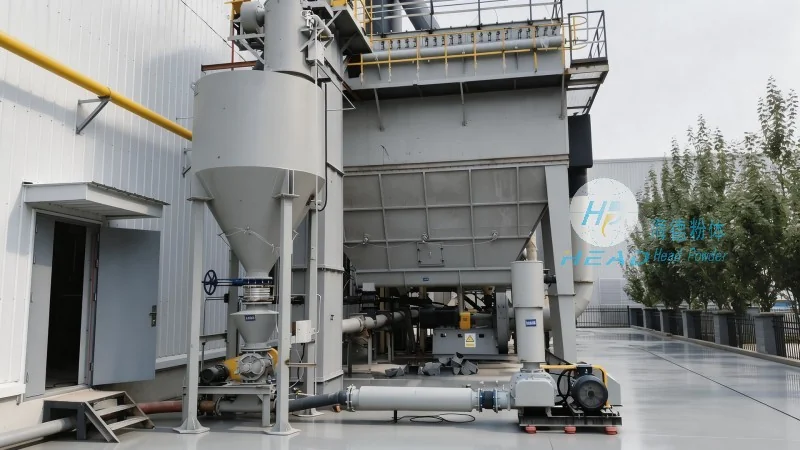
Barite powder pneumatic conveying systems offer several advantages over traditional bulk material handling methods. One of the primary benefits is the ability to transport fine powders without the need for mechanical conveyors, which can cause dust and contamination. The systems are also flexible, allowing for horizontal, vertical, or inclined transport of the powder. Additionally, they can handle large volumes of material with minimal labor, reducing operational costs. The enclosed system design ensures that the barite powder is contained, preventing environmental contamination and improving workplace safety. These advantages make pneumatic conveying an ideal solution for industries that require efficient and clean material transfer of barite powder.

 Shandong Headpowder Engineering Co., Ltd.
 156-6277-7102(Manager Zhang)
  0531-83386006
  Zhangqiu District, Jinan City, Shandong Province, China
telephone
WeChatconsult
top