With more than 10‑year industry experience, Shandong Headpowder delivers full‑service pneumatic‑conveying systems and blowers, undertaking nationwide turn‑key powder‑handling projects.
Hay material pneumatic conveying lines are sophisticated systems designed to transport bulk materials like hay efficiently and reliably. These systems utilize air as the conveying medium, enabling the movement of hay from one location to another without the need for mechanical components such as belts or buckets. The operation process and working principle of such lines are integral to understanding their functionality and effectiveness in agricultural and industrial applications.
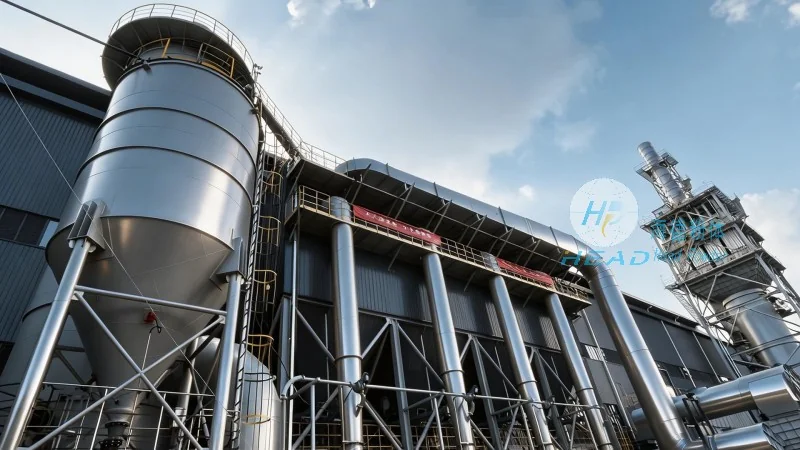
Shandong HeadPowder Engineering Co., Ltd., a leading manufacturer based in China, specializes in the design, development, and implementation of advanced pneumatic conveying solutions for various bulk materials. The company’s expertise lies in creating customized systems that meet the specific requirements of hay handling, ensuring optimal performance and durability. With a focus on innovation and quality, HeadPowder Engineering has established itself as a trusted partner in the agricultural machinery sector.
The core of a hay pneumatic conveying line is the use of compressed air to transport hay particles. The process begins with the material being introduced into a hopper or feeder, where it is then drawn into a pipeline by the air flow. The air, often generated by a blower or fan, creates a pressure differential that propels the hay through the system. Key components include the hopper, feeder, pipeline, and discharge unit, each playing a critical role in the overall operation. The system operates by creating a vacuum or pressure within the pipeline, depending on the type of conveying method—either suction or pressure.
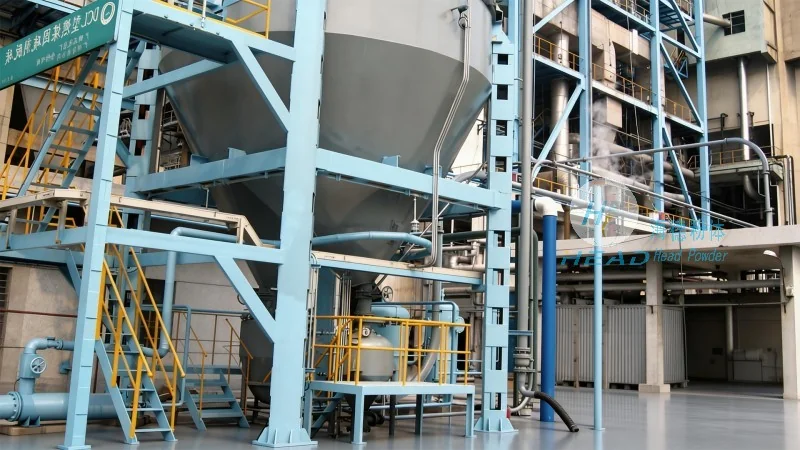
The operation of a hay pneumatic conveying line involves several sequential steps that ensure smooth and continuous material transport. First, the hay is loaded into the hopper, which serves as the storage and feeding unit. The feeder then regulates the flow of hay into the pipeline, controlling the quantity and speed of material discharge. Next, the compressed air is introduced into the system, creating a flow that moves the hay particles through the pipeline. The air velocity is carefully managed to prevent material degradation and ensure efficient transport. As the hay travels through the pipeline, it reaches the discharge unit, where it is released into the intended destination, such as a storage silo or processing facility. The entire process is automated, with sensors and controls monitoring the system to maintain optimal performance and prevent blockages or other issues.
Several critical components are essential for the proper functioning of a hay pneumatic conveying line. The hopper is responsible for storing the hay and providing a consistent feed to the system. It is typically designed with a sloped bottom to facilitate material flow. The feeder, often a rotary valve or screw feeder, regulates the rate at which hay enters the pipeline, ensuring a steady flow. The pipeline itself is made of durable materials, such as stainless steel or plastic, to withstand the abrasive nature of hay and the effects of air pressure. The blower or fan generates the necessary air pressure, with options including centrifugal or positive displacement types. The discharge unit, which may include a filter or separator, removes any air from the hay before it is released, preventing contamination and ensuring the material is clean and free of debris.
Hay pneumatic conveying lines offer numerous advantages over traditional mechanical conveying methods. One of the primary benefits is the ability to transport hay over long distances without the need for multiple transfer points or equipment. This reduces labor costs and improves operational efficiency. Additionally, the system is less prone to material degradation, as the hay is not subjected to friction or impact from mechanical components. The enclosed pipeline also helps maintain the quality of the hay, protecting it from moisture, dust, and contamination. Furthermore, pneumatic conveying systems are more flexible in terms of layout, allowing for easy integration into existing facilities or new construction projects. The automation and control features of these systems enhance safety and reduce the risk of accidents, making them ideal for both small-scale and large-scale hay handling operations.
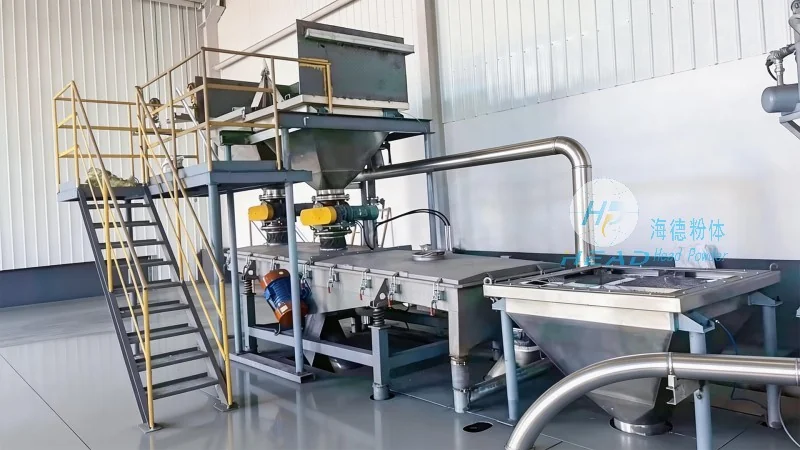
Hay pneumatic conveying lines are widely used in various industries, particularly in agriculture and animal feed production. In agricultural settings, these systems are employed to transport hay from fields to storage facilities or processing plants. They are also used in feed mills to move hay into silos or mixing equipment, ensuring a consistent supply of raw material. The systems are suitable for both dry and wet hay, with adjustments made to the air flow and pressure to accommodate different material characteristics. The versatility of pneumatic conveying makes it applicable in a range of scenarios, from small farms to large-scale feed production facilities.
Regular maintenance is crucial to ensure the optimal performance and longevity of hay pneumatic conveying lines. Key maintenance tasks include cleaning the hopper and feeder to prevent material buildup, inspecting the pipeline for leaks or damage, and checking the blower or fan for proper operation. Filters and separators should be cleaned or replaced regularly to maintain air quality and prevent clogging. Common issues that may arise include blockages in the pipeline, which can be caused by excessive moisture or debris, and air leaks, which reduce the system’s efficiency. Troubleshooting these issues typically involves checking the air pressure, inspecting the material feed, and ensuring all components are properly aligned and secured. By following a regular maintenance schedule and addressing issues promptly, operators can maximize the lifespan and efficiency of their pneumatic conveying systems.

 Shandong Headpowder Engineering Co., Ltd.
 156-6277-7102(Manager Zhang)
  0531-83386006
  Zhangqiu District, Jinan City, Shandong Province, China
telephone
WeChatconsult
top