With more than 10‑year industry experience, Shandong Headpowder delivers full‑service pneumatic‑conveying systems and blowers, undertaking nationwide turn‑key powder‑handling projects.
HeadPowder, a leading provider of pneumatic conveying solutions, specializes in optimizing material transport systems for industries handling bulk powders like lime powder. With operations based in Shandong, China, the company leverages advanced engineering to address the unique challenges of transporting fine, dusty materials efficiently and safely. This article provides a detailed comparison of negative pressure and positive pressure conveying systems, focusing on their applications, operational characteristics, and suitability for lime powder transport.
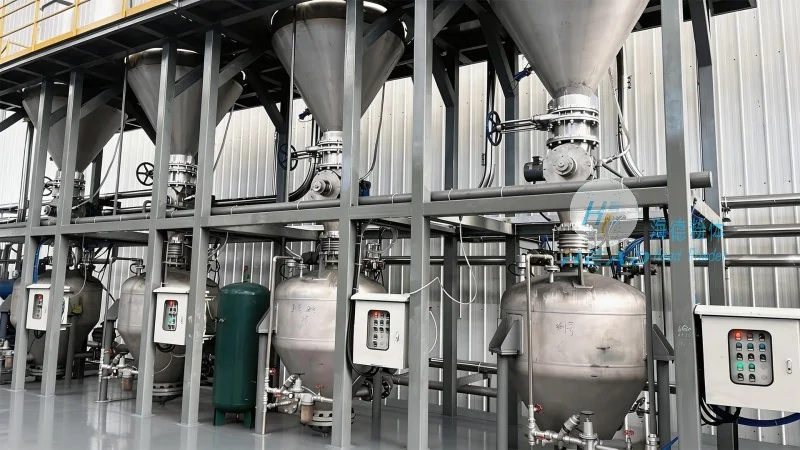
Lime powder, a widely used industrial material in sectors such as construction, chemical processing, and environmental remediation, requires reliable and efficient transport methods to maintain product quality and operational safety. Pneumatic conveying offers a non-contact, closed-loop system that minimizes material degradation and environmental contamination compared to traditional methods like trucks or conveyor belts. The choice between negative pressure (suction) and positive pressure (blowing) systems depends on factors including material properties, distance, system complexity, and cost considerations. Understanding the strengths and weaknesses of each approach is crucial for selecting the most appropriate conveying solution for lime powder applications.
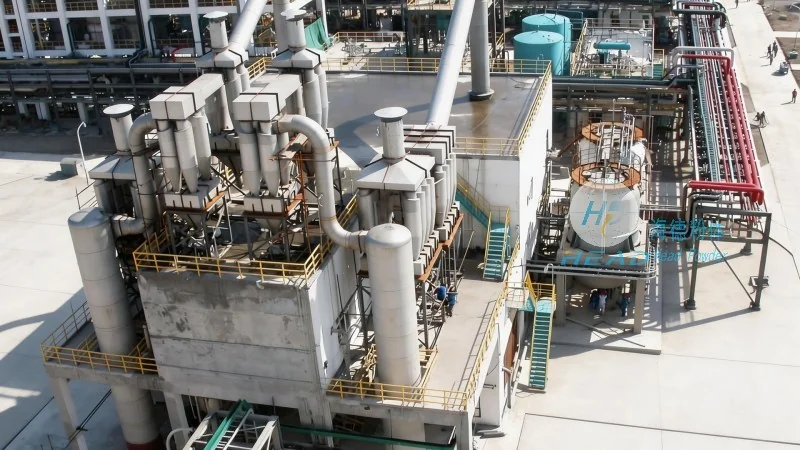
Negative pressure conveying, also known as suction conveying, operates by creating a low-pressure zone at the material intake point, drawing the powder into the system using a vacuum. This method is particularly effective for short to medium-distance transport and for handling materials that are prone to dusting or require gentle handling. One of the key advantages of negative pressure systems is their ability to prevent dust leakage and environmental contamination, as the intake is enclosed and the material is drawn into the system rather than expelled. This makes them ideal for applications where dust control is critical, such as in indoor or enclosed facilities. Additionally, negative pressure systems often have lower initial capital costs compared to positive pressure systems, as they typically require less powerful and more compact equipment. The suction mechanism also allows for the collection of material from multiple sources or from a hopper, enabling flexible material handling. However, negative pressure conveying has several limitations. The primary drawback is its limited transport distance, typically ranging from 50 to 200 meters, depending on the system design and material characteristics. Beyond this range, the pressure drop becomes too significant, reducing the conveying efficiency. Another challenge is the need for a dedicated vacuum source, which may require additional energy consumption and maintenance. Furthermore, negative pressure systems are more susceptible to clogging due to the low pressure, especially with fine or cohesive materials like lime powder. The vacuum also means that the system must be carefully sealed to prevent air leakage, which can affect the conveying performance and increase energy costs. In summary, negative pressure conveying is suitable for short-distance, low-volume transport of lime powder where dust control and cost-effectiveness are prioritized, but it may not be ideal for long-distance or high-volume applications.
Positive pressure conveying, or blowing conveying, works by generating high-pressure air that pushes the material through the system. This method is better suited for longer transport distances, typically up to several hundred meters, and for handling larger quantities of material. One of the main advantages of positive pressure systems is their ability to achieve longer transport distances with higher efficiency. The high-pressure air provides sufficient force to move the material through the pipeline, reducing the risk of clogging compared to negative pressure systems. This makes them ideal for applications requiring long-distance transport, such as between production facilities and storage or processing sites. Another benefit is the flexibility in system design, as positive pressure systems can accommodate various pipeline configurations and material handling requirements. The blowing mechanism also allows for the integration of multiple material sources or the use of a hopper as a collection point, enhancing operational flexibility. However, positive pressure conveying has its own set of disadvantages. The primary drawback is the higher initial capital cost, as it requires more powerful and robust equipment, including high-pressure blowers and larger pipelines. The system also consumes more energy compared to negative pressure systems, as the high-pressure air needs to be continuously supplied. Additionally, positive pressure systems are more prone to dust leakage and environmental contamination, as the material is expelled from the system under pressure. This can be a concern in indoor or enclosed environments where dust control is essential. The high pressure also increases the risk of equipment wear and tear, requiring more frequent maintenance and potentially higher operational costs over time. Furthermore, positive pressure conveying may not be suitable for materials that are highly cohesive or prone to agglomeration, as the high-pressure air can cause the material to stick to the pipeline walls or form blockages. In summary, positive pressure conveying is suitable for long-distance, high-volume transport of lime powder where efficiency and flexibility are prioritized, but it may not be ideal for short-distance or low-volume applications where cost and dust control are more critical.
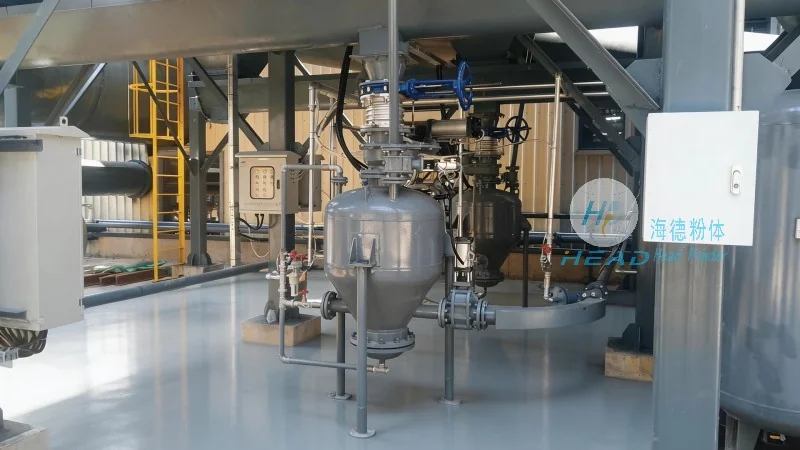
When choosing between negative pressure and positive pressure conveying for lime powder, several factors must be carefully evaluated to ensure optimal performance and cost-effectiveness. The first consideration is the transport distance and volume requirements. For short distances and low volumes, negative pressure systems may be more appropriate due to their lower cost and better dust control. For longer distances and higher volumes, positive pressure systems offer superior efficiency and flexibility. The second factor is the material properties of the lime powder, including its fineness, moisture content, and cohesive behavior. Fine or cohesive materials may require positive pressure systems to prevent clogging, while less cohesive materials may perform well with negative pressure systems. The third consideration is the environmental and safety requirements of the application. If dust control is a critical concern, negative pressure systems are preferable as they minimize dust leakage. However, if the application involves outdoor or open environments, positive pressure systems may be acceptable with proper containment measures. The fourth factor is the available space and infrastructure. Negative pressure systems often require less space for equipment and pipelines, making them suitable for confined areas. Positive pressure systems, on the other hand, may require more space for the high-pressure blowers and larger pipelines. The fifth consideration is the operational costs, including energy consumption, maintenance, and downtime. Negative pressure systems typically have lower energy costs and maintenance requirements, while positive pressure systems may have higher operational costs due to energy consumption and equipment wear. By carefully evaluating these factors, HeadPowder can recommend the most suitable conveying system for lime powder applications, ensuring efficient, safe, and cost-effective material transport. Whether it's a short-distance, low-volume operation or a long-distance, high-volume application, the company's expertise in pneumatic conveying solutions ensures that the right system is selected to meet the specific needs of the client.

 Shandong Headpowder Engineering Co., Ltd.
 156-6277-7102(Manager Zhang)
  0531-83386006
  Zhangqiu District, Jinan City, Shandong Province, China
telephone
WeChatconsult
top