With more than 10‑year industry experience, Shandong Headpowder delivers full‑service pneumatic‑conveying systems and blowers, undertaking nationwide turn‑key powder‑handling projects.
When it comes to pneumatic conveying of sand, the choice between negative pressure and positive pressure systems is a critical decision that impacts operational efficiency, cost, and system reliability. This article provides a detailed comparison of the advantages and disadvantages of both approaches, helping industry professionals make informed choices for their specific applications.
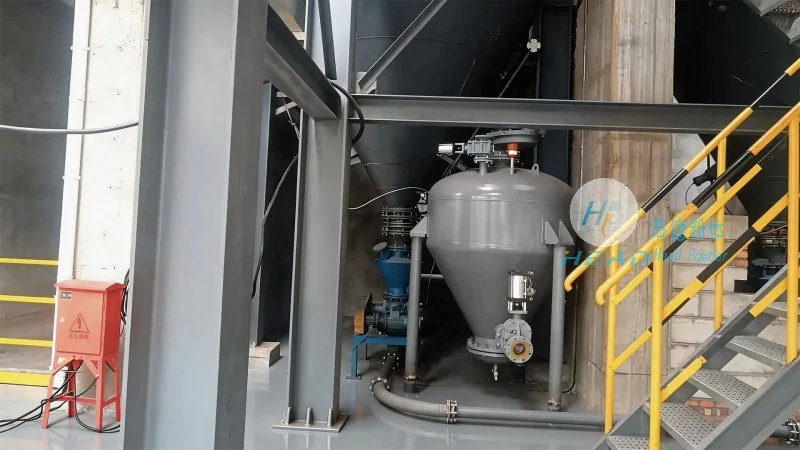
Pneumatic conveying is a method of transporting bulk materials like sand through a pipeline using air or gas as the conveying medium. The two primary types are negative pressure (or suction) systems and positive pressure (or pressure) systems. Each has distinct characteristics that make it suitable for different scenarios.
Negative pressure systems operate by creating a vacuum at the material inlet, drawing the sand into the pipeline. This method is often preferred for applications where the material needs to be transported from a source that is higher than the destination, or where the material is sensitive to pressure changes. The key advantages of negative pressure conveying include:
1. Reduced Material Degradation: The low pressure environment minimizes the risk of particle breakage, which is particularly important for fine or fragile sand particles.
2. Lower Energy Consumption: Since the system operates under vacuum, it typically requires less energy to move the material compared to positive pressure systems, especially over short to medium distances.
3. Less Noise and Vibration: The absence of high-pressure air movement reduces noise levels and mechanical stress on components, contributing to a quieter and more stable operation.
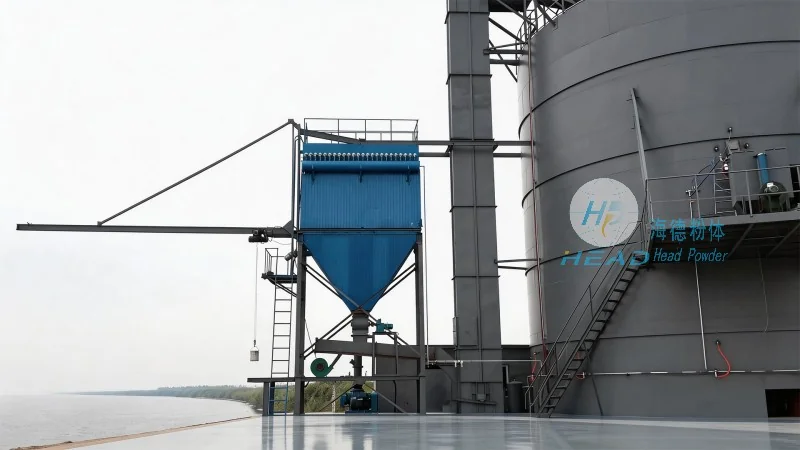
However, negative pressure systems also have notable drawbacks. The main disadvantages include:
1. Limited Distance and Capacity: The suction effect diminishes with distance and material volume, making long-distance or high-capacity conveying challenging without additional booster units.
2. Higher Maintenance: The vacuum components, such as fans and filters, are more prone to wear and require more frequent maintenance to ensure consistent performance.
3. Increased Air Consumption: To maintain the vacuum, larger volumes of air are often needed, which can lead to higher operational costs and potential air quality issues if not properly managed.
Positive pressure systems generate high-pressure air at the material inlet, pushing the sand through the pipeline. This approach is ideal for long-distance transport, high-capacity applications, or when the material needs to be conveyed to a higher elevation. The primary advantages of positive pressure conveying are:
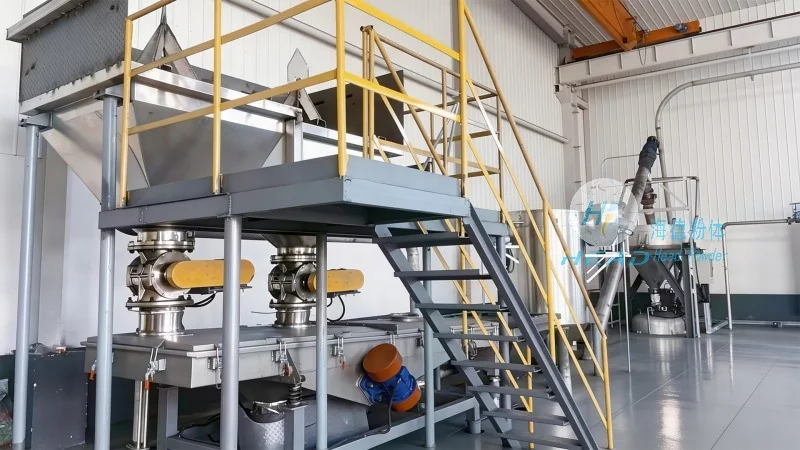
1. Extended Distance and Capacity: The high-pressure air can effectively transport sand over longer distances and at higher flow rates, making it suitable for large-scale operations.
2. Lower Maintenance: The system components, particularly the air compressor and pipeline, are generally more robust and require less frequent maintenance compared to negative pressure systems.
3. Reduced Air Consumption: By using compressed air directly, the system can achieve higher efficiency in terms of air usage, especially for long-distance conveying.
Nevertheless, positive pressure systems come with their own set of challenges. The main disadvantages include:
1. Higher Energy Costs: The need for a powerful air compressor to generate high pressure increases operational energy expenses, which can be significant for continuous operations.
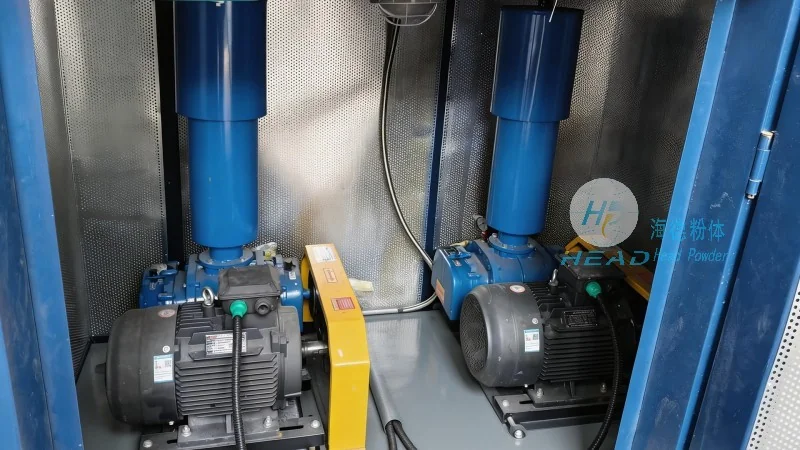
2. Increased Material Degradation: The high-pressure air can cause particle attrition, potentially reducing the quality of the sand and increasing dust generation.
3. Noise and Air Quality Concerns: The operation of high-pressure compressors and the release of compressed air can generate noise and may require additional filtration to manage air emissions.
The selection between negative and positive pressure pneumatic conveying for sand depends on several factors, including the distance of transport, the required capacity, the material characteristics, and the operational environment. For short-distance or low-capacity applications where material integrity is paramount, negative pressure systems may be more suitable. Conversely, for long-distance, high-capacity operations where energy efficiency in terms of distance is a priority, positive pressure systems offer better performance.
It is also important to consider the specific requirements of the application, such as the presence of dust or the need for explosion-proof designs, as these can influence the choice of system components and overall design. Consulting with experts from companies like Shandong HeadPowder Engineering Co., Ltd., which specializes in pneumatic conveying solutions, can provide valuable insights into the most appropriate system for a given project.
Shandong HeadPowder Engineering Co., Ltd., based in Shandong, China, offers comprehensive solutions for pneumatic conveying systems, including both negative and positive pressure options tailored to the unique needs of sand transport applications. Their expertise in material handling and system design ensures that clients receive efficient, reliable, and cost-effective solutions that meet industry standards and operational requirements.

 Shandong Headpowder Engineering Co., Ltd.
 156-6277-7102(Manager Zhang)
  0531-83386006
  Zhangqiu District, Jinan City, Shandong Province, China
telephone
WeChatconsult
top