With more than 10‑year industry experience, Shandong Headpowder delivers full‑service pneumatic‑conveying systems and blowers, undertaking nationwide turn‑key powder‑handling projects.
Aluminum dross, a byproduct of aluminum smelting and processing, requires efficient and reliable material handling solutions for safe and effective transportation. Pneumatic conveying systems are widely used in the aluminum industry to transport aluminum dross from one location to another. Two primary methods of pneumatic conveying—negative pressure (or vacuum) conveying and positive pressure conveying—offer distinct approaches to material transport. This article provides a detailed comparison of the advantages and disadvantages of negative pressure versus positive pressure conveying for aluminum dross, helping industry professionals make informed decisions when selecting the most suitable conveying system for their operations.
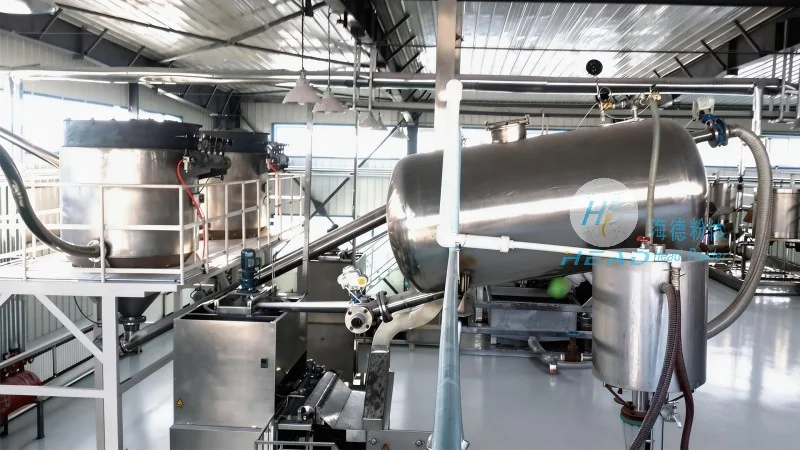
Pneumatic conveying is a method of transporting bulk materials through a pipeline using air or gas as the conveying medium. In the context of aluminum dross, which is typically a fine to medium-sized particulate material, pneumatic systems are preferred due to their ability to handle abrasive and potentially hazardous materials. The choice between negative pressure and positive pressure conveying depends on factors such as material characteristics, distance, system complexity, and operational requirements.
Negative pressure conveying, also known as vacuum conveying, operates by creating a vacuum in the conveying line to draw material from the source to the destination. The system uses a vacuum pump to generate the pressure differential, and the material is carried by the air flow created by the vacuum. This method is often used for short to medium distances and for materials that are sensitive to pressure or require gentle handling.
One of the key advantages of negative pressure conveying is its ability to handle fine or dusty materials without causing excessive wear on the system components. The low pressure environment reduces the risk of material degradation and ensures that the dross particles are not compressed or damaged during transport. Additionally, negative pressure systems are generally quieter and produce less noise compared to positive pressure systems, which can be beneficial in environments where noise control is a priority.
Another advantage is the relatively simple design of negative pressure systems. They typically require fewer moving parts and less complex control systems compared to positive pressure systems, leading to lower maintenance costs and easier installation. The vacuum pump can be located at the receiving end, which allows for a more compact system layout and reduces the need for extensive piping from the source to the pump.
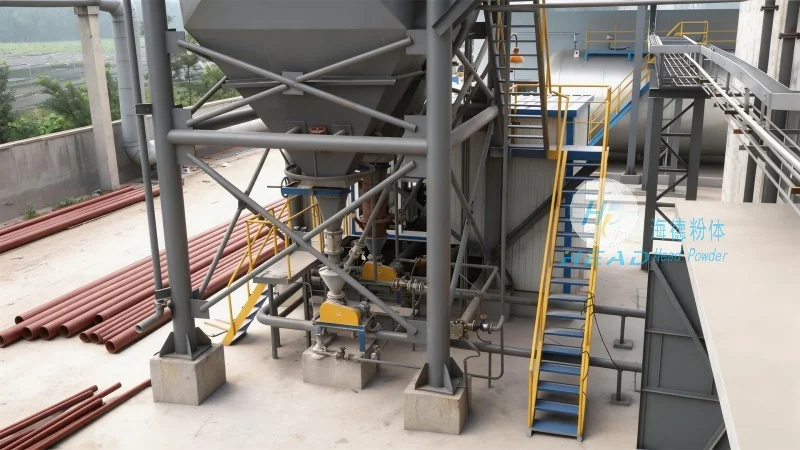
A major disadvantage of negative pressure conveying is its limited conveying distance. The pressure drop in the pipeline increases with distance, and at a certain point, the vacuum may not be sufficient to transport the material effectively. This makes negative pressure systems less suitable for long-distance transport of aluminum dross, which may require multiple vacuum pumps or booster stations to maintain the required vacuum level.
Furthermore, negative pressure systems are more susceptible to air leaks and pressure fluctuations. Any breach in the pipeline can allow ambient air to enter, reducing the vacuum and compromising the conveying efficiency. This can lead to increased energy consumption as the vacuum pump works harder to maintain the pressure. Additionally, the system may be more prone to clogging if the material contains moisture or sticky components, as the low pressure may not provide enough force to dislodge blockages.
Positive pressure conveying, also known as pressure conveying, operates by blowing air or gas into the conveying line to push material from the source to the destination. The system uses a blower or compressor to generate positive pressure, and the material is carried by the air flow. This method is commonly used for longer distances and for materials that are less abrasive or less sensitive to pressure.
One of the primary advantages of positive pressure conveying is its ability to transport materials over longer distances compared to negative pressure systems. The positive pressure ensures that the material is continuously pushed through the pipeline, reducing the risk of material settling or clogging. This makes positive pressure systems ideal for applications where the source and destination are far apart, such as in large-scale aluminum processing plants.
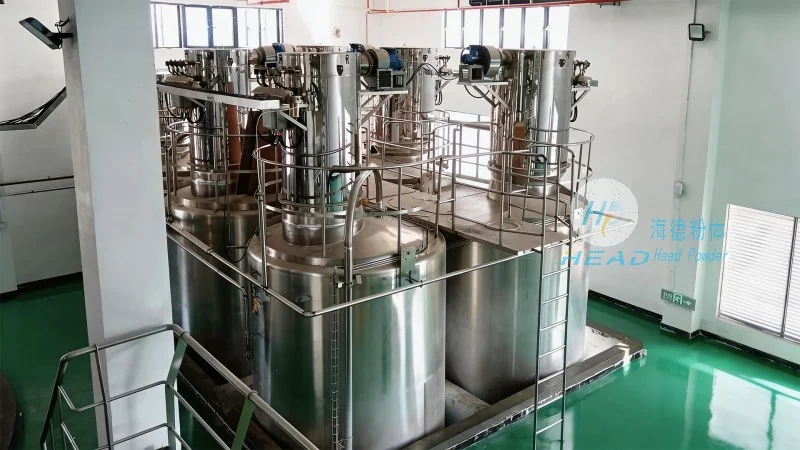
Another advantage is the higher material transport capacity of positive pressure systems. The higher pressure and air flow rates allow for the movement of larger quantities of aluminum dross in a shorter amount of time, improving overall system efficiency. Additionally, positive pressure systems are less affected by air leaks, as the pressure is maintained at a constant level regardless of minor leaks in the pipeline.
A significant disadvantage of positive pressure conveying is the higher risk of material degradation and wear on system components. The higher pressure and air flow can cause the dross particles to collide with each other and with the pipeline walls, leading to increased abrasion and potential damage to the material. This can result in higher maintenance costs for the pipeline and associated equipment, as parts may need to be replaced more frequently.
Furthermore, positive pressure systems are generally noisier than negative pressure systems due to the operation of the blower or compressor. The noise levels can be a concern in industrial environments, requiring additional noise control measures such as soundproof enclosures or mufflers. Additionally, the higher pressure can increase the risk of system failures or accidents, as the pressure buildup may lead to leaks or bursts in the pipeline if not properly maintained.
When selecting between negative pressure and positive pressure conveying for aluminum dross, several factors must be considered. The distance between the source and destination is a critical factor, as negative pressure systems are better suited for short to medium distances, while positive pressure systems are more suitable for long distances. The material characteristics, such as particle size, moisture content, and abrasiveness, also play a role, as they affect the system's performance and maintenance requirements.
The operational environment and noise constraints are also important considerations. Negative pressure systems are preferred in environments where noise control is a priority, while positive pressure systems may be more suitable for industrial settings where noise is less of a concern. The cost of installation and maintenance is another factor, as negative pressure systems generally have lower initial costs and maintenance requirements compared to positive pressure systems.
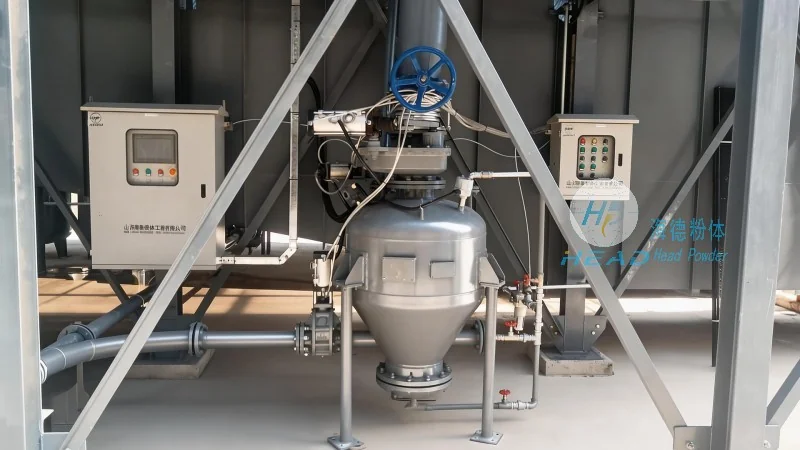
Shandong HeadPowder Engineering Co., Ltd., a leading provider of material handling solutions, specializes in designing and manufacturing pneumatic conveying systems tailored to the specific needs of the aluminum industry. With years of experience in the field, HeadPowder has developed advanced solutions that address the unique challenges of aluminum dross transportation. The company's expertise lies in optimizing conveying systems to balance efficiency, reliability, and cost-effectiveness, ensuring that clients can choose the most suitable method—whether negative or positive pressure—for their operations.
HeadPowder's engineers work closely with clients to assess their material characteristics, operational requirements, and site constraints to recommend the most appropriate conveying system. Whether the application involves short-distance transport of fine aluminum dross or long-distance movement of bulk material, HeadPowder provides customized solutions that enhance productivity and safety. The company's commitment to quality and innovation ensures that its systems meet the highest standards of performance and durability, making them a trusted partner for aluminum processing facilities worldwide.
Both negative pressure and positive pressure conveying offer viable options for aluminum dross transportation, each with its own set of advantages and disadvantages. The choice between the two methods depends on factors such as distance, material characteristics, noise requirements, and cost considerations. By understanding the pros and cons of each system, industry professionals can make informed decisions that optimize their material handling processes and enhance overall operational efficiency.
Shandong HeadPowder Engineering Co., Ltd. continues to lead the way in providing advanced pneumatic conveying solutions for the aluminum industry, helping clients achieve reliable and efficient transportation of aluminum dross while minimizing operational costs and risks. With its expertise and commitment to quality, HeadPowder remains a key player in the development of innovative material handling technologies for aluminum processing facilities.

 Shandong Headpowder Engineering Co., Ltd.
 156-6277-7102(Manager Zhang)
  0531-83386006
  Zhangqiu District, Jinan City, Shandong Province, China
telephone
WeChatconsult
top