

Comparison of Advantages and Disadvantages of Negative Pressure vs. Positive Pressure Pneumatic Conv
When it comes to the efficient handling of hematite, pneumatic conveying systems play a crucial role in modern industrial processes. Among the various methods available, negative pressure and positive pressure pneumatic conveying stand out as two primary approaches. Understanding the distinct characteristics, advantages, and disadvantages of each system is essential for selecting the most suitable solution for hematite transportation. This article provides a comprehensive comparison of negative pressure and positive pressure pneumatic conveying, focusing on their applications, operational principles, and key performance factors.
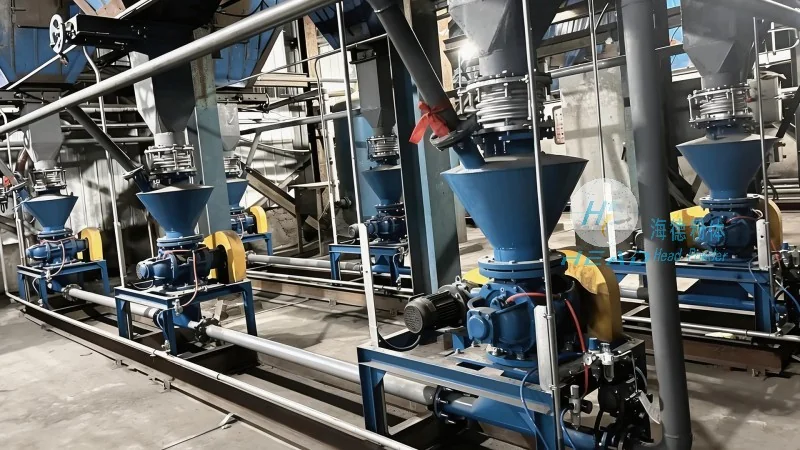
Overview of Pneumatic Conveying Systems for Hematite
Pneumatic conveying is a method of transporting bulk materials like hematite through a pipeline using air or gas as the conveying medium. The system can be categorized into two main types based on the pressure differential: negative pressure (or suction) systems and positive pressure (or pressure) systems. Both systems are widely used in the mining, metallurgy, and chemical industries, but they differ significantly in terms of design, cost, and operational requirements.
Key Differences Between Negative Pressure and Positive Pressure Pneumatic Conveying
The fundamental difference between negative pressure and positive pressure systems lies in the pressure maintained within the conveying line. Negative pressure systems operate with a lower pressure inside the pipeline compared to the ambient air, while positive pressure systems maintain a higher pressure than the surrounding environment. This distinction directly impacts the material handling capabilities, energy consumption, and system complexity of each approach.
Advantages of Negative Pressure Pneumatic Conveying for Hematite
Negative pressure pneumatic conveying systems are often preferred for applications where the material is to be collected from multiple sources or where the conveying distance is relatively short. One of the primary advantages is the ability to draw material from several points into a single collection point without the need for additional equipment at each source. This makes the system particularly suitable for handling hematite in mining operations where ore is extracted from various locations and needs to be consolidated at a central processing facility.
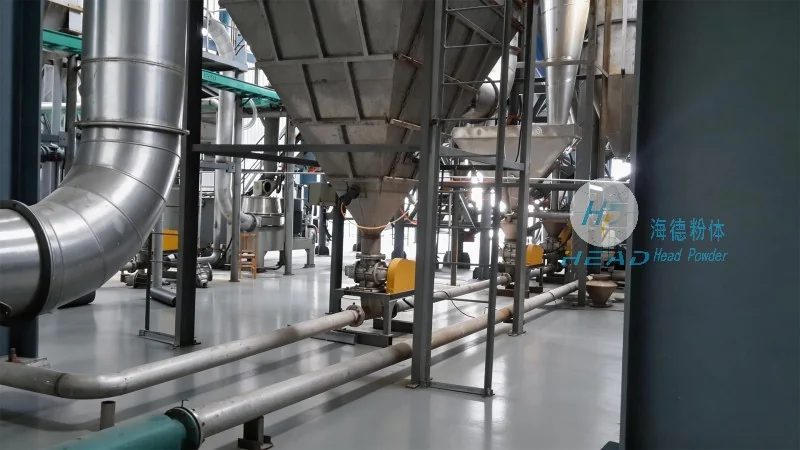
Another key benefit is the lower initial investment and operational costs associated with negative pressure systems. Since they do not require high-pressure blowers or compressors, the upfront capital expenditure is generally lower compared to positive pressure systems. Additionally, the system is less prone to material blockages and can handle a wider range of particle sizes and moisture content, making it versatile for hematite with varying characteristics.
Disadvantages of Negative Pressure Pneumatic Conveying for Hematite
Despite its advantages, negative pressure systems have several limitations. The most significant drawback is the limited conveying distance and capacity. Due to the pressure differential, the system can only transport materials over short distances, typically up to a few hundred meters. This restricts its use in large-scale industrial plants where long-distance transportation is required. Furthermore, the system is more susceptible to air leaks and pressure loss, which can lead to reduced efficiency and increased energy consumption if not properly maintained.
Advantages of Positive Pressure Pneumatic Conveying for Hematite
Positive pressure pneumatic conveying systems are ideal for long-distance transportation of hematite, often covering distances of several kilometers. The ability to maintain high pressure within the pipeline allows for efficient material movement over extended routes, making it suitable for large-scale mining and processing facilities. Another advantage is the higher conveying capacity, which can handle larger volumes of hematite at a time, reducing the number of conveying lines needed and improving overall throughput.
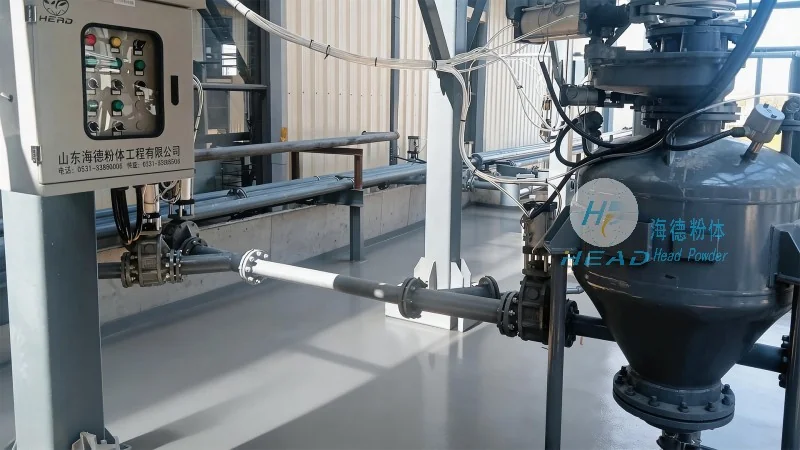
Positive pressure systems also offer better control over the conveying process. By adjusting the pressure and air flow rate, operators can optimize the system for different material properties, such as particle size, density, and moisture content. This flexibility makes positive pressure systems adaptable to varying hematite characteristics and processing requirements.
Disadvantages of Positive Pressure Pneumatic Conveying for Hematite
However, positive pressure systems come with higher costs and more complex maintenance requirements. The need for high-pressure blowers and compressors increases the initial investment significantly. Additionally, the system is more prone to material blockages and wear and tear on components due to the high pressure and abrasive nature of hematite particles. This can lead to higher operational costs and more frequent maintenance intervals.
Operational Considerations and Best Practices
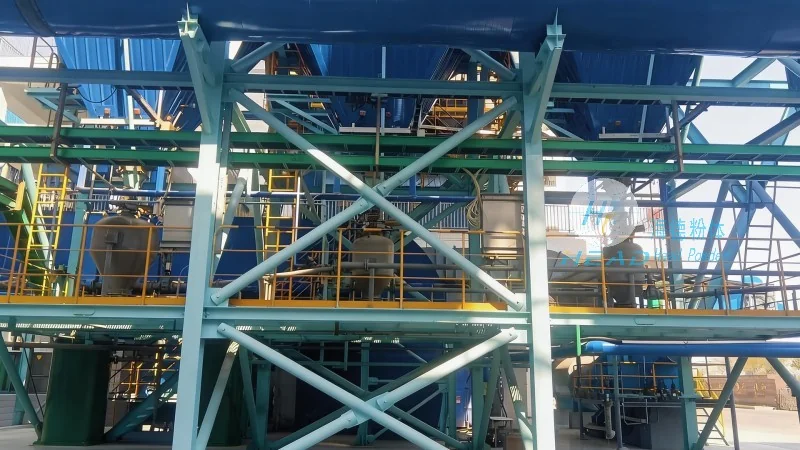
When selecting between negative pressure and positive pressure pneumatic conveying for hematite, several factors must be considered. The distance to be covered, the volume of material to be transported, the number of collection points, and the material properties are all critical variables. For short distances and multiple source points, a negative pressure system may be more economical. For long-distance and high-volume applications, a positive pressure system is generally more suitable.
Proper system design and maintenance are essential for maximizing the efficiency and longevity of both types of pneumatic conveying systems. Regular inspection of pipelines, filters, and air handling equipment is necessary to prevent blockages and ensure consistent performance. Additionally, the use of appropriate materials for the conveying line, such as stainless steel or high-density polyethylene, can help mitigate wear and tear caused by the abrasive hematite particles.
Conclusion
In conclusion, both negative pressure and positive pressure pneumatic conveying systems offer viable solutions for hematite handling, each with its own set of advantages and disadvantages. The choice between the two depends on the specific requirements of the industrial application, including distance, volume, and operational constraints. By carefully evaluating these factors and considering the long-term costs and maintenance needs, industries can select the most appropriate pneumatic conveying system to optimize their hematite transportation processes.