With more than 10‑year industry experience, Shandong Headpowder delivers full‑service pneumatic‑conveying systems and blowers, undertaking nationwide turn‑key powder‑handling projects.
HeadPowder, a leading engineering company based in Shandong, China, specializes in the design and implementation of advanced material handling solutions. One of their core offerings is the pneumatic conveying system for resin sand materials, which has become increasingly vital in modern manufacturing processes, particularly in the foundry industry. This article delves into the fundamental principles of such systems and highlights the key characteristics of their operational environments.
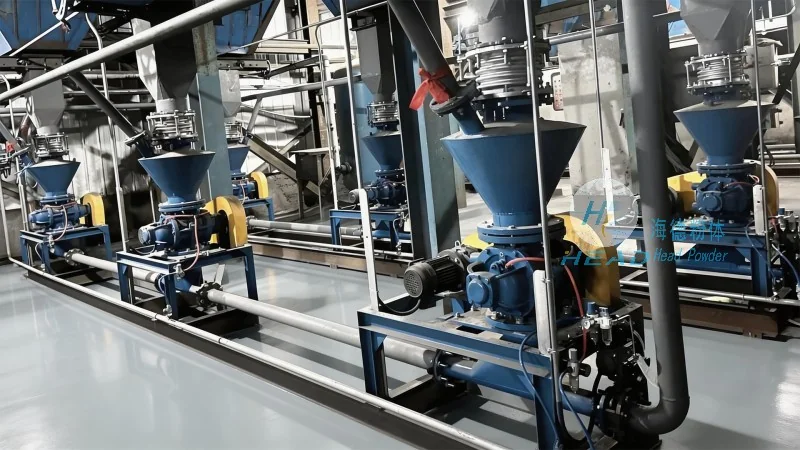
Pneumatic conveying systems utilize air or gas as the primary medium to transport bulk materials like resin sand. The core principle involves creating a pressure differential between the inlet and outlet of the system, which propels the material through a pipeline. There are two main types of pneumatic conveying: dilute-phase and dense-phase. Dilute-phase systems operate at higher velocities, typically moving material in a suspended state, while dense-phase systems use lower velocities to transport material in a more compact form. For resin sand, the choice of system depends on factors such as material properties, distance to be conveyed, and the need for minimal degradation or contamination.
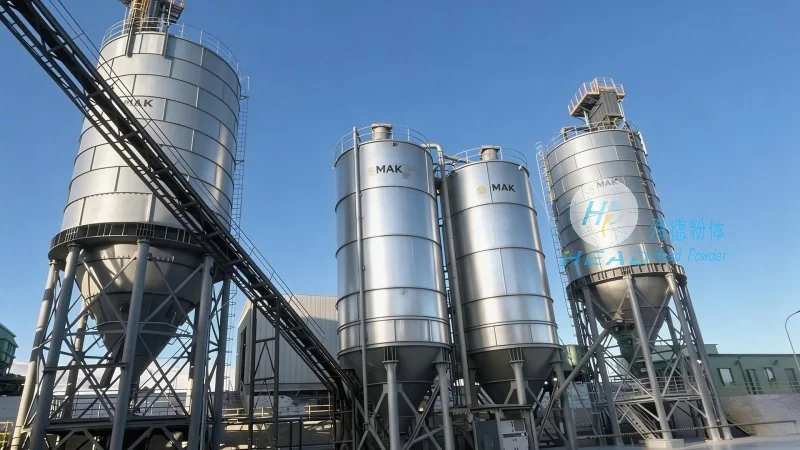
The operational environment of resin sand pneumatic conveying systems is characterized by several key aspects that influence their design and performance. First, the material itself—resin sand—has specific properties that affect system efficiency. Resin sand is a composite material consisting of sand particles coated with a resin binder, which requires careful handling to prevent caking or degradation during transport. The system must be designed to maintain the integrity of the resin coating while ensuring efficient movement. Second, the working scene often involves high-volume material handling, as foundries typically process large quantities of resin sand for casting operations. This necessitates robust and reliable systems capable of continuous operation without frequent maintenance or downtime. Third, the environmental conditions in industrial settings, such as temperature fluctuations or dust generation, must be considered. Pneumatic conveying systems are designed to minimize dust emissions and operate efficiently in various ambient conditions, ensuring compliance with industrial safety and environmental regulations.
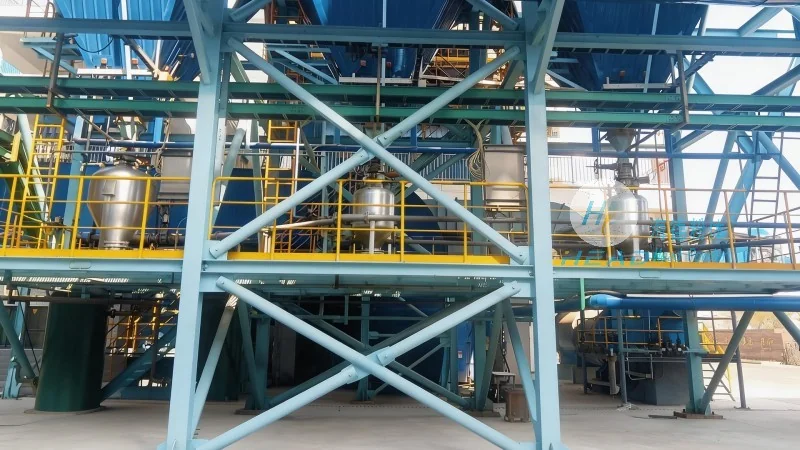
The application of resin sand pneumatic conveying systems is widespread across the foundry industry, where they play a critical role in the production of castings. These systems are used to transport resin sand from storage silos to molding machines, or between different stages of the casting process. The advantages of using pneumatic conveying for resin sand include improved material flow control, reduced labor costs compared to manual handling, and enhanced safety by minimizing human exposure to dust and heavy materials. Additionally, the systems can be integrated with automated control systems, allowing for precise regulation of material flow rates and pressure, which optimizes the overall production process. HeadPowder's expertise in designing customized pneumatic conveying solutions ensures that these systems are tailored to meet the specific needs of each client, whether it's for new plant installations or upgrades to existing facilities.
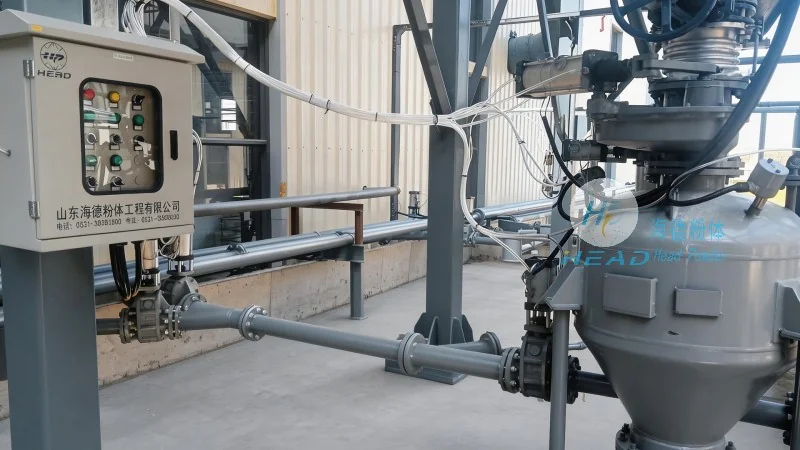
In conclusion, pneumatic conveying systems for resin sand materials are a sophisticated and efficient solution for material handling in the foundry industry. The principles behind these systems, combined with their adaptability to various working scene characteristics, make them an essential component of modern manufacturing processes. HeadPowder, with its headquarters in Shandong, China, continues to lead in the development and implementation of such systems, providing reliable and effective solutions that enhance productivity and operational efficiency for their clients.

 Shandong Headpowder Engineering Co., Ltd.
 156-6277-7102(Manager Zhang)
  0531-83386006
  Zhangqiu District, Jinan City, Shandong Province, China
telephone
WeChatconsult
top