With more than 10‑year industry experience, Shandong Headpowder delivers full‑service pneumatic‑conveying systems and blowers, undertaking nationwide turn‑key powder‑handling projects.
HeadPowder, a leading engineering company based in Shandong, China, specializes in the design and implementation of advanced pneumatic conveying systems tailored for handling calcium carbide dust and filtration residues. This article explores the fundamental principles behind such systems and highlights the key characteristics of their operational environments.
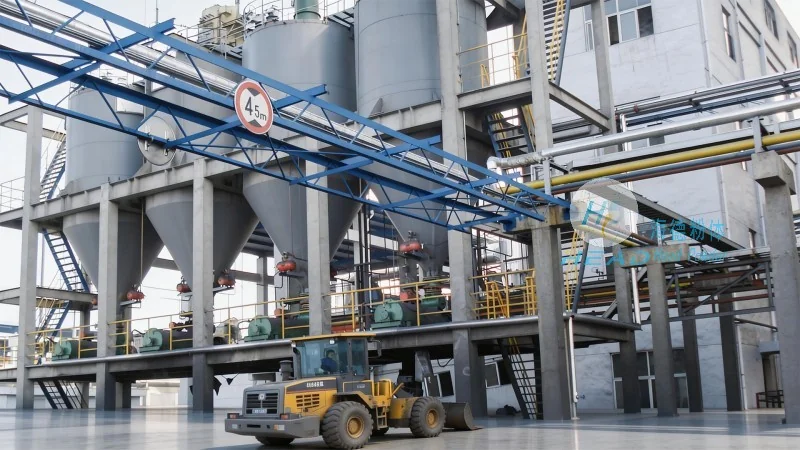
Pneumatic conveying is a critical technology in material handling, particularly for powders and fine particulates like calcium carbide dust and filtration residues. The core principle involves transporting bulk materials through a pipeline using a gas stream, typically air or other gases. In the context of calcium carbide dust, which is a byproduct of the production process and often contains fine particles, efficient dust removal and transport are essential for maintaining operational efficiency and safety.
The process typically begins with the collection of dust and residues from various points in the production facility, such as cyclone separators, bag filters, or other dust collection equipment. These materials are then fed into a pneumatic conveying system, where they are entrained by a high-velocity air stream. The system may employ different types of conveying methods, including positive pressure (where air is blown into the pipeline), negative pressure (where air is drawn out), or a combination of both, depending on the specific application and material characteristics.
Key components of a pneumatic conveying system for calcium carbide dust include the dust collection hopper, feeding mechanism (e.g., rotary valves or star feeders), conveying pipeline, and the air supply system (including blowers or vacuum pumps). The design of these components is crucial to ensure reliable and efficient transport, minimizing material degradation and system downtime. For calcium carbide dust, which can be abrasive and reactive, specialized materials of construction for the pipeline and components are often required to prevent wear and corrosion.
The operational environment for pneumatic conveying systems handling calcium carbide dust is characterized by several distinct features that impact system design and performance. First, the material properties of calcium carbide dust, such as its fineness, moisture content, and reactivity, influence the choice of conveying method and equipment. Fine particles require higher air velocities to prevent blockages, while moisture can affect the dust's flowability and the system's efficiency.
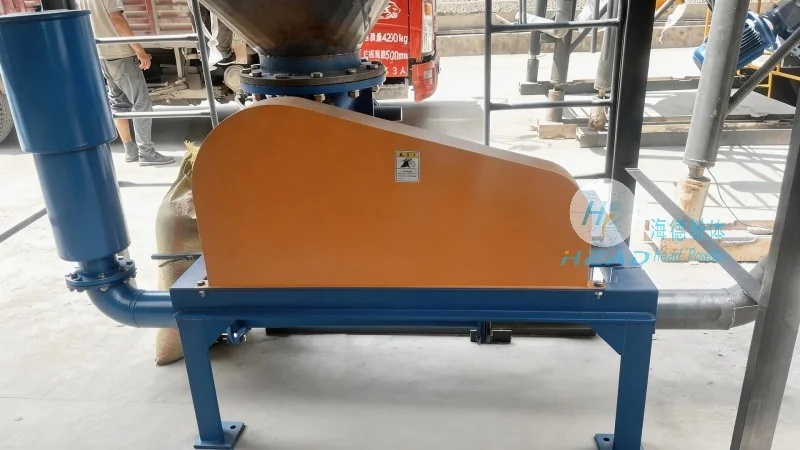
Second, the scale and layout of the production facility play a significant role. In large-scale operations, the conveying system may need to transport materials over considerable distances, requiring multiple stages of conveying or booster stations to maintain sufficient air pressure. The integration of the system with existing dust collection and processing equipment is also critical, as it must seamlessly connect to the production line to ensure continuous operation.
Third, safety considerations are paramount in handling calcium carbide dust, which can be hazardous if inhaled or if it reacts with moisture. Pneumatic conveying systems are designed with safety features such as explosion-proof blowers, dust explosion venting, and proper ventilation to mitigate risks. Additionally, the system's control and monitoring capabilities are essential to detect and address issues like blockages or pressure drops promptly, preventing accidents and ensuring smooth operation.
Pneumatic conveying systems for calcium carbide dust and filtration residues find widespread application in various industrial sectors, including chemical manufacturing, steel production, and metallurgy. The primary benefits of using such systems include improved material handling efficiency, reduced labor costs, and enhanced safety compared to traditional methods like manual handling or bucket elevators.
In chemical manufacturing, for example, calcium carbide dust is often a byproduct of the production of acetylene gas. The efficient removal and transport of this dust are crucial for maintaining the quality of the final product and preventing contamination. Pneumatic conveying systems allow for the continuous and automated transport of dust to storage or processing facilities, ensuring that the production process remains uninterrupted.
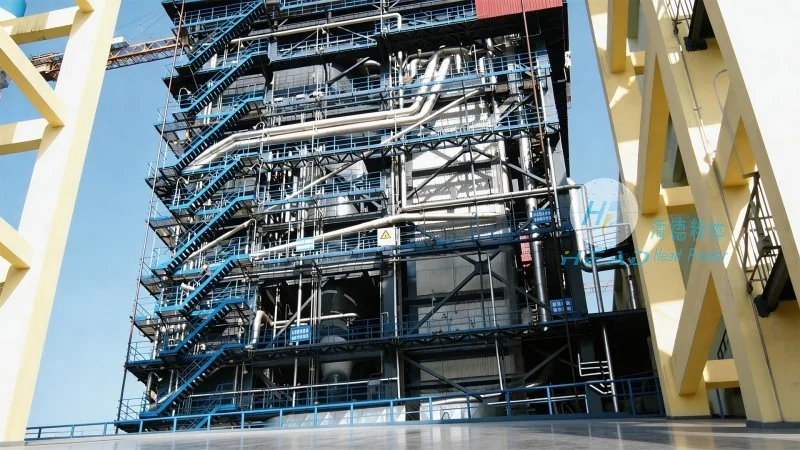
In steel production, calcium carbide is used as a reagent in the production of calcium carbide slag, which is used in steelmaking. The filtration residues from this process, which contain fine calcium carbide particles, need to be handled carefully to prevent environmental contamination and ensure compliance with regulations. Pneumatic conveying systems provide an effective solution for transporting these residues to disposal or recycling facilities, minimizing the risk of dust emissions and environmental impact.
Shandong HeadPowder Engineering Co., Ltd., operating under the brand name HeadPowder, is a professional engineering firm dedicated to providing comprehensive solutions for material handling and processing. With a strong focus on innovation and customer satisfaction, HeadPowder has established itself as a trusted partner in the design, installation, and maintenance of pneumatic conveying systems for various industrial applications.
HeadPowder's team of experienced engineers and technicians brings extensive knowledge and expertise in the field of material handling, ensuring that each project is tailored to meet the specific needs of the client. The company's commitment to quality and safety is reflected in its adherence to international standards and rigorous testing protocols for all systems and components.
HeadPowder's operations are based in Shandong, China, where it leverages local resources and expertise to deliver efficient and cost-effective solutions. The company's facilities are equipped with state-of-the-art technology and equipment, enabling it to handle projects of varying scales and complexities. Whether it's a small-scale system for a local manufacturer or a large-scale installation for an international client, HeadPowder is equipped to deliver reliable and efficient pneumatic conveying solutions.

 Shandong Headpowder Engineering Co., Ltd.
 156-6277-7102(Manager Zhang)
  0531-83386006
  Zhangqiu District, Jinan City, Shandong Province, China
telephone
WeChatconsult
top