With more than 10‑year industry experience, Shandong Headpowder delivers full‑service pneumatic‑conveying systems and blowers, undertaking nationwide turn‑key powder‑handling projects.
HeadPowder, a leading engineering company based in Shandong, China, specializes in the design and implementation of advanced pneumatic conveying systems for coke particle materials. These systems are engineered to efficiently transport coke particles, a critical component in various industrial applications, from one location to another with precision and reliability. The following content explores the fundamental principles behind these systems and highlights the key working scene characteristics that define their operational effectiveness.
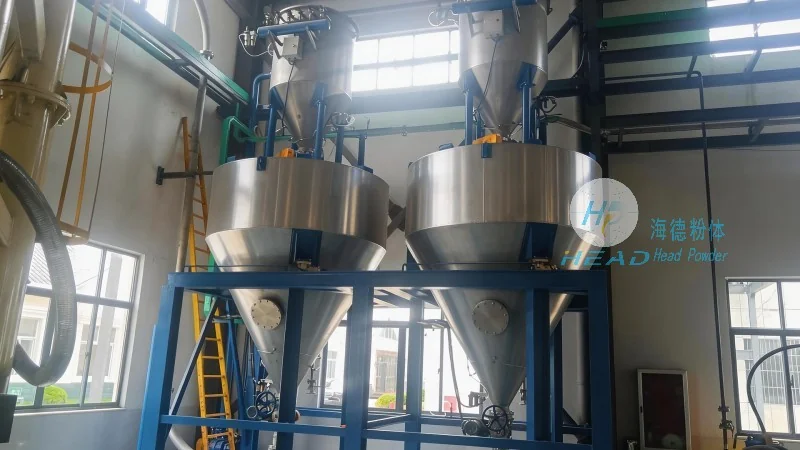
The operation of a coke particle material pneumatic conveying system is based on the fundamental principle of using a fluid (typically air or a mixture of air and other gases) to transport solid particles through a pipeline. This process involves several key mechanisms that ensure the efficient movement of coke particles. Firstly, the system generates a pressure differential within the pipeline, either by creating a vacuum (in suction-type systems) or by injecting high-pressure air (in pressure-type systems). This differential force propels the coke particles forward. Secondly, the system utilizes appropriate air velocities to maintain the particles in a suspended state, preventing them from settling or sticking to the pipeline walls. This suspension is crucial for preventing blockages and ensuring smooth flow. Additionally, the system incorporates components such as feeders, cyclones, and filters to control the flow rate, separate particles from the air stream, and maintain system cleanliness. The design of these components is tailored to the specific characteristics of coke particles, including their size, density, and moisture content, to optimize performance.
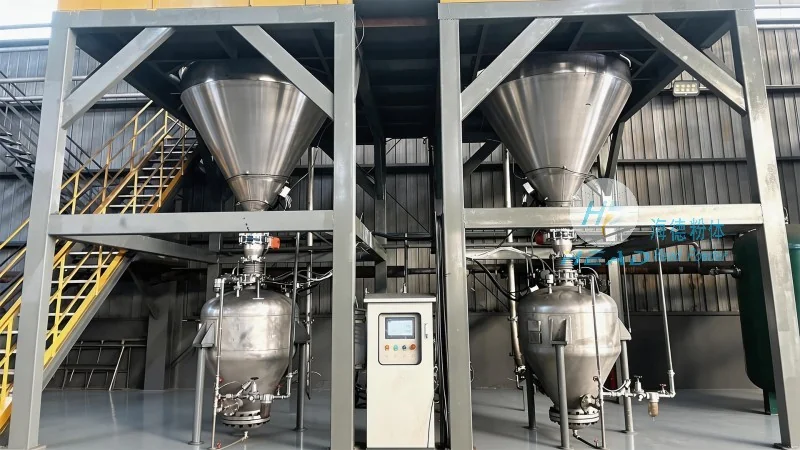
The working scene characteristics of coke particle pneumatic conveying systems are tailored to meet the demands of various industrial environments where coke is used as a raw material. These characteristics include high efficiency in material handling, minimal space requirements compared to traditional bulk handling methods, and the ability to operate in diverse settings such as steel mills, foundries, and chemical plants. In steel mills, for example, these systems are commonly used to transport coke from storage silos to blast furnaces, where it plays a vital role in the iron-making process. The systems are designed to handle large volumes of coke particles, often ranging from several tons per hour to hundreds of tons per hour, depending on the production scale. The working scene also emphasizes safety and environmental considerations, with features like dust suppression systems and enclosed pipelines to minimize the release of particulate matter into the environment. Furthermore, the systems are engineered for durability and low maintenance, ensuring long-term operational reliability in demanding industrial conditions.
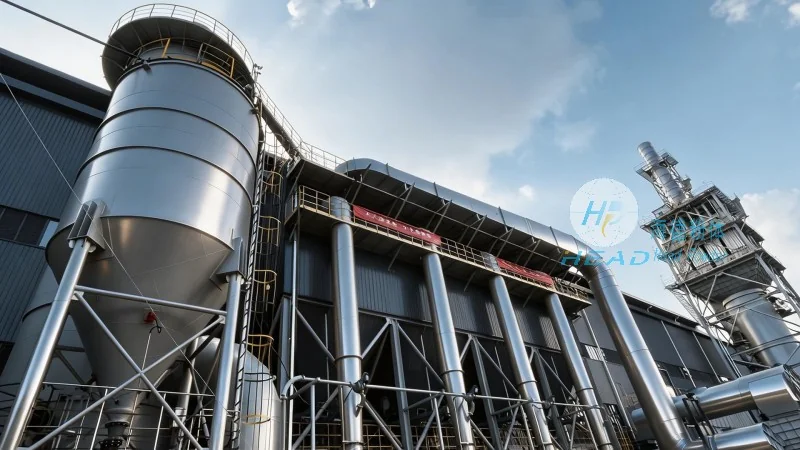
The application scenarios for coke particle pneumatic conveying systems are diverse and reflect the versatility of coke as an industrial material. In foundries, these systems are used to transport coke to furnaces for melting and casting processes, where the consistent supply of coke is essential for maintaining furnace temperature and productivity. In chemical plants, coke may be used as a fuel or raw material in processes such as carbonization and gasification, and the pneumatic conveying systems ensure a continuous and controlled supply of coke to these processes. The operational advantages of these systems include reduced labor costs due to automated material handling, improved safety by minimizing manual handling of bulk materials, and enhanced process control through precise flow regulation. Additionally, the systems contribute to overall operational efficiency by reducing downtime associated with material transport and improving the quality of the final product by ensuring consistent particle size and composition in the conveyed material.
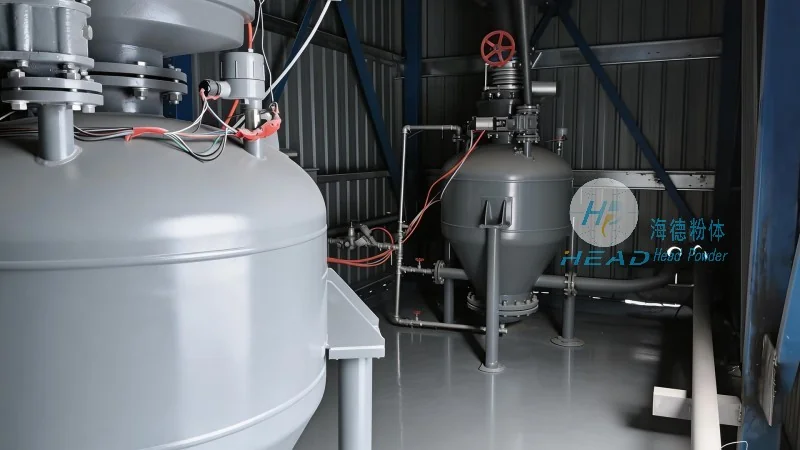
HeadPowder Engineering Co., Ltd., with its headquarters in Shandong, China, is a trusted provider of coke particle material pneumatic conveying systems. The company leverages advanced engineering principles and years of industry experience to design and manufacture systems that meet the specific needs of its clients. By focusing on the core principles of pneumatic conveying and tailoring the working scene characteristics to industrial requirements, HeadPowder ensures that its systems deliver reliable, efficient, and cost-effective solutions for coke particle handling. Whether for steel production, foundry operations, or chemical processing, the company's expertise in pneumatic conveying technology positions it as a leader in providing innovative solutions for coke material transport.

 Shandong Headpowder Engineering Co., Ltd.
 156-6277-7102(Manager Zhang)
  0531-83386006
  Zhangqiu District, Jinan City, Shandong Province, China
telephone
WeChatconsult
top