With more than 10‑year industry experience, Shandong Headpowder delivers full‑service pneumatic‑conveying systems and blowers, undertaking nationwide turn‑key powder‑handling projects.
HeadPowder, a leading engineering company based in Shandong, China, specializes in the design and implementation of advanced pneumatic conveying systems tailored for handling ash and slag materials. This article delves into the fundamental principles behind these systems and highlights the key operational characteristics that define their effectiveness in various industrial settings.
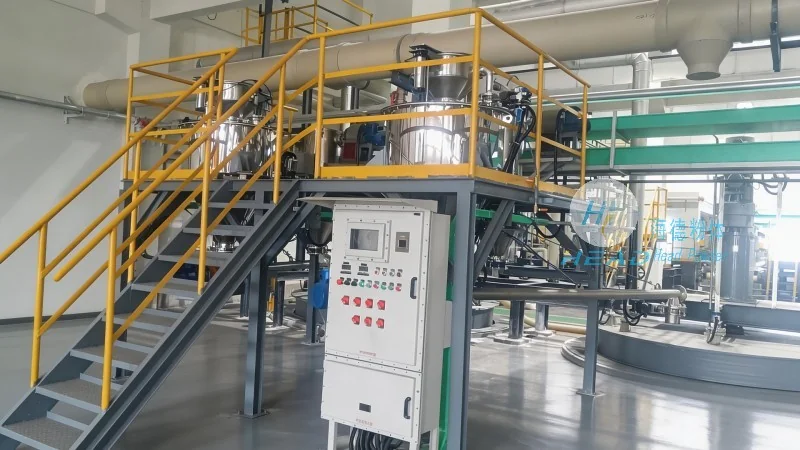
Shandong HeadPowder Engineering Co., Ltd., commonly known as HeadPowder, is a reputable firm dedicated to providing innovative solutions for material handling challenges. With a strong focus on pneumatic conveying technologies, the company has established itself as a trusted partner in the industry, delivering systems that enhance efficiency, safety, and reliability in the transportation of ash and slag materials. HeadPowder’s operations are centered in Shandong, China, where the company leverages local resources and expertise to meet the diverse needs of its clients.
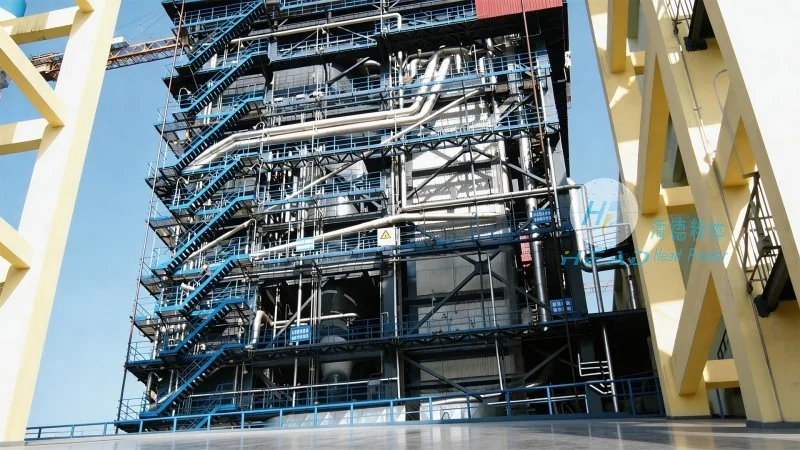
Pneumatic conveying systems operate on the principle of using air or gas to transport particulate materials through a pipeline network. For ash and slag materials, which often exhibit abrasive and high-density properties, specialized system designs are crucial to ensure optimal performance and longevity. The core mechanisms involve the creation of a pressure differential, typically through positive or negative pressure systems, to move the material from the source to the destination. Key components such as feeders, cyclones, and control valves work in tandem to regulate the flow and maintain consistent material transport. The selection of appropriate air velocities and pipeline diameters is critical to prevent blockages and ensure smooth operation, especially when dealing with materials that may have varying particle sizes and moisture content.
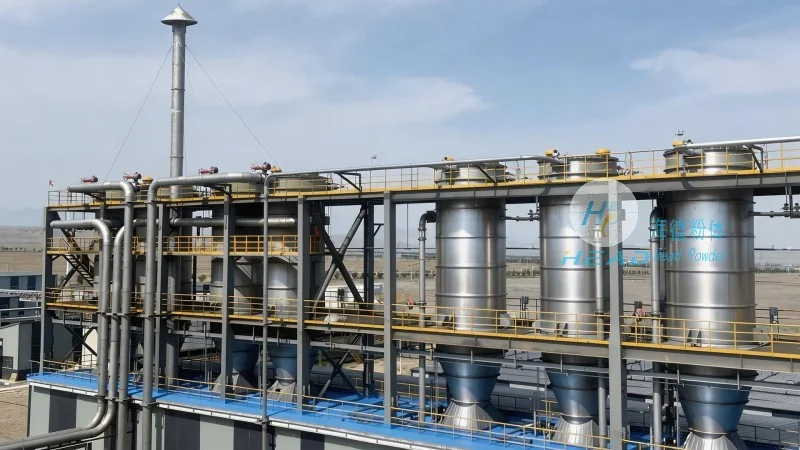
The operational characteristics of pneumatic conveying systems for ash and slag materials are shaped by several factors, including the material's physical properties, the distance of transport, and the required throughput. These systems are commonly employed in power plants, steel mills, and waste management facilities where the efficient removal of ash and slag is essential for operational continuity. In power plants, for instance, ash is often transported from boiler furnaces to storage silos or disposal sites, requiring systems that can handle high volumes of fine particles. The ability to operate under different pressure conditions, such as low-pressure or high-pressure systems, allows for flexibility in adapting to various site constraints and material handling requirements. Additionally, the systems are designed to minimize dust emissions and noise levels, contributing to a safer working environment and compliance with environmental regulations.
Implementing pneumatic conveying systems for ash and slag materials offers several advantages over traditional methods like belt conveyors or trucks. These systems provide a continuous, enclosed transport process that reduces material loss and contamination, which is particularly important for materials that may be hazardous or valuable. The enclosed design also helps in controlling dust and preventing environmental pollution, aligning with modern industrial standards. From a performance perspective, pneumatic conveying systems can achieve higher throughput rates and cover longer distances with fewer maintenance requirements compared to traditional methods. The efficiency of these systems is often measured by factors such as pressure drop, energy consumption, and system reliability, all of which are optimized through careful system design and material selection.
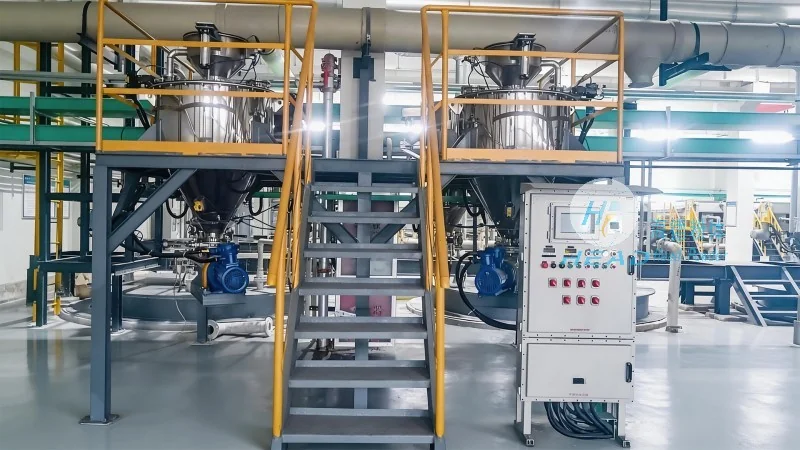
HeadPowder Engineering Co., Ltd. remains committed to delivering high-quality pneumatic conveying solutions for ash and slag materials, leveraging its expertise and local presence in Shandong, China. By understanding the unique challenges associated with handling these materials, the company ensures that its systems are tailored to meet specific operational needs, enhancing productivity and operational safety. As a trusted partner in the industry, HeadPowder continues to innovate and adapt its technologies to meet evolving client requirements, providing reliable and efficient material handling solutions for ash and slag applications.

 Shandong Headpowder Engineering Co., Ltd.
 156-6277-7102(Manager Zhang)
  0531-83386006
  Zhangqiu District, Jinan City, Shandong Province, China
telephone
WeChatconsult
top