With more than 10‑year industry experience, Shandong Headpowder delivers full‑service pneumatic‑conveying systems and blowers, undertaking nationwide turn‑key powder‑handling projects.
For industrial applications involving the handling of precipitated barium sulfate, efficient material transport is crucial. This article explores the principles and operational characteristics of pneumatic conveying systems designed for such materials, highlighting how these systems enhance process efficiency and safety in various industrial settings.
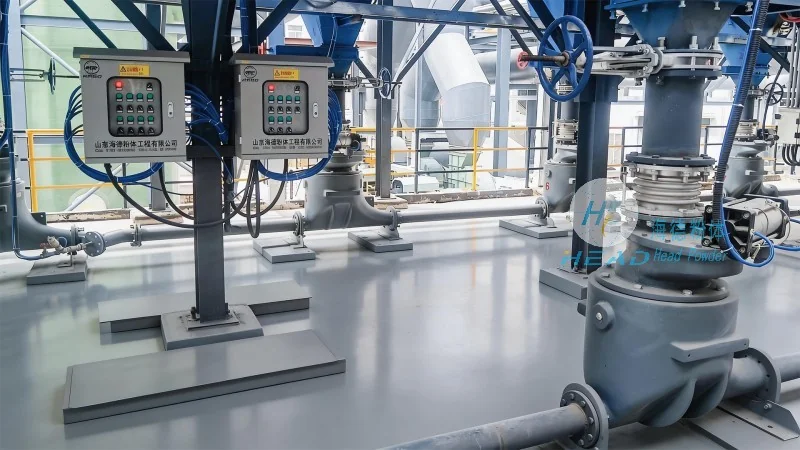
Pneumatic conveying utilizes a pressurized or vacuum system to transport bulk materials through a pipeline using air or other gases. In the case of precipitated barium sulfate, which is typically a fine, dense powder, specialized conveying systems are required to ensure stable and reliable transport. The process involves feeding the material into a hopper, where it is then drawn or pushed through a pipeline by the moving air stream. This method eliminates the need for mechanical components like belts or buckets, reducing maintenance and operational costs while improving material purity by minimizing contamination.
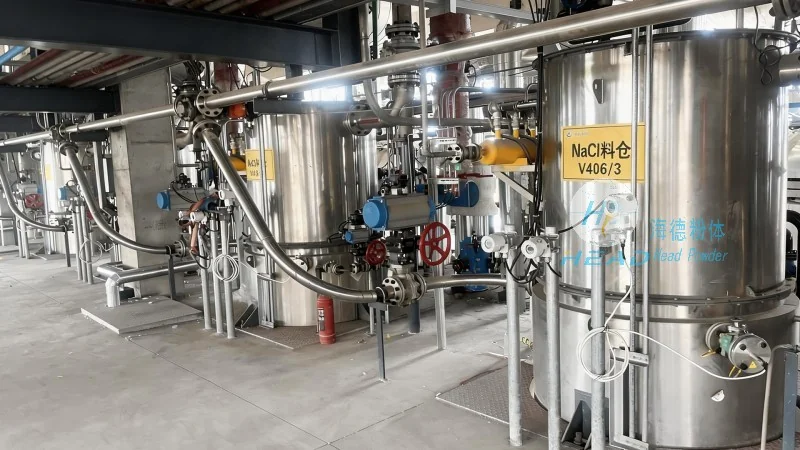
The effectiveness of pneumatic conveying for precipitated barium sulfate depends on several technical factors. Firstly, the material's particle size and density significantly impact the conveying velocity and pressure requirements. Precipitated barium sulfate often has a relatively high bulk density, which can affect the air velocity needed to maintain a stable flow. Engineers must calculate the appropriate air velocity to prevent material settling or blockages in the pipeline. Secondly, the system's design, including the type of airlock feeders and the configuration of the pipeline, plays a critical role. Properly sized and positioned components ensure consistent material flow and prevent air leakage, which could lead to energy inefficiency or material loss. Additionally, the use of appropriate filtration and separation equipment is essential to maintain material quality and protect downstream equipment from dust accumulation.
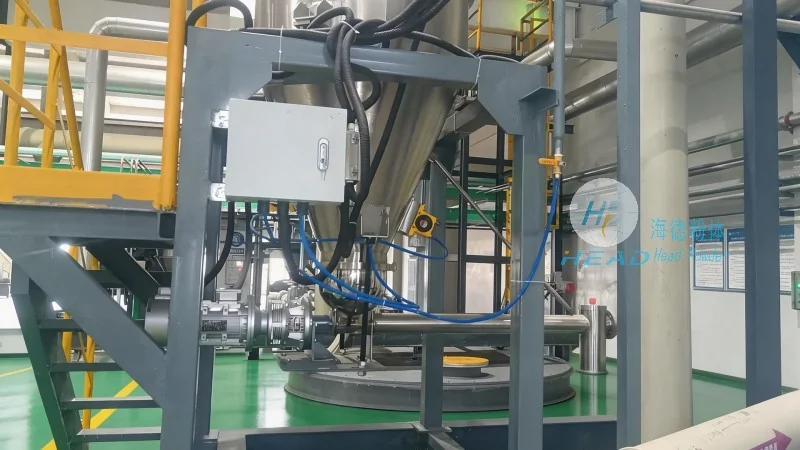
Pneumatic conveying systems for precipitated barium sulfate are widely used in various industrial applications, each with distinct characteristics that highlight the system's adaptability. In pharmaceutical manufacturing, for example, the need for high-purity materials and stringent contamination control makes pneumatic conveying an ideal choice. The system's ability to transport materials in a closed environment minimizes exposure to external contaminants, ensuring compliance with regulatory standards. Similarly, in the chemical industry, where precipitated barium sulfate is used as a filler or pigment, the system's efficiency in handling large volumes of material reduces production downtime and improves overall throughput. The versatility of pneumatic conveying also makes it suitable for applications in the mining and mineral processing sectors, where the material may be sourced from different locations and transported to processing facilities.
Implementing pneumatic conveying for precipitated barium sulfate offers several operational advantages. The primary benefit is the reduction in labor and maintenance costs associated with traditional mechanical conveying systems. Since there are no moving parts in contact with the material, the risk of wear and tear is minimized, leading to longer equipment life and lower replacement costs. Furthermore, the system's ability to handle materials in a dust-free environment enhances workplace safety by reducing respiratory hazards and the risk of fire or explosion in flammable environments. However, operators must consider certain challenges, such as the need for precise control of air pressure and flow rates to maintain stable material transport. In addition, the system's energy consumption must be managed effectively to ensure cost-effectiveness, as high air pressures can increase operational expenses. Proper system sizing and regular maintenance are critical to mitigate these challenges and maximize the benefits of pneumatic conveying.
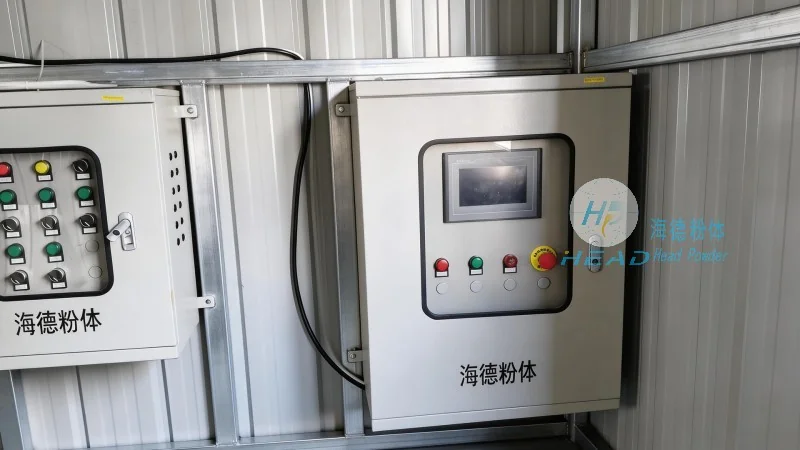
Pneumatic conveying systems for precipitated barium sulfate exemplify the integration of advanced engineering principles with industrial needs. By understanding the material's properties and designing systems that optimize air flow and pressure, manufacturers can achieve efficient, safe, and cost-effective material transport. The working scene characteristics of these systems, from pharmaceutical to chemical applications, demonstrate their versatility and importance in modern industrial processes. As industries continue to demand higher efficiency and purity in material handling, the role of specialized engineering companies like Shandong HeadPowder Engineering Co., Ltd. becomes increasingly vital in developing and implementing effective pneumatic conveying solutions. With a focus on tailored system design and rigorous quality control, such companies ensure that pneumatic conveying remains a reliable and sustainable option for handling precipitated barium sulfate and other fine materials.

 Shandong Headpowder Engineering Co., Ltd.
 156-6277-7102(Manager Zhang)
  0531-83386006
  Zhangqiu District, Jinan City, Shandong Province, China
telephone
WeChatconsult
top