With more than 10‑year industry experience, Shandong Headpowder delivers full‑service pneumatic‑conveying systems and blowers, undertaking nationwide turn‑key powder‑handling projects.
Chlorinated polyethylene (CPE) is a widely used polymer material in various industrial applications due to its excellent weather resistance, chemical stability, and processability. The efficient handling and transportation of CPE materials are crucial for industrial operations, and pneumatic conveying systems have emerged as a preferred solution for this purpose. This article explores the principle of a pneumatic conveying line designed for CPE materials and highlights the key working scene characteristics that make such systems effective in industrial settings, presented by Shandong HeadPowder Engineering Co., Ltd.
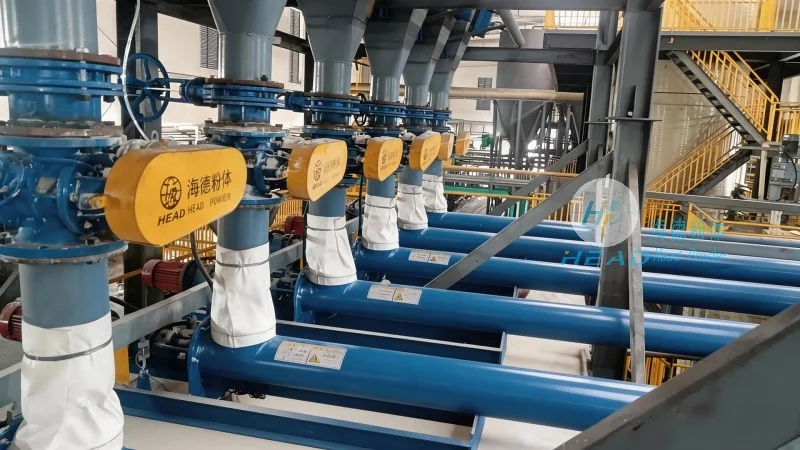
Pneumatic conveying systems utilize air or other gases to transport bulk materials like CPE from one location to another. Unlike traditional mechanical conveying methods, such as belt conveyors or screw conveyors, pneumatic conveying offers advantages like minimal material degradation, low maintenance requirements, and the ability to handle materials in a dust-free environment. For CPE, which is often sensitive to moisture and temperature variations, a well-designed pneumatic conveying line ensures that the material remains in optimal condition throughout the transportation process.
The fundamental principle of a pneumatic conveying line for CPE materials involves the creation of a pressure differential that propels the material through a pipeline using air flow. The system typically consists of several key components, including a material feeder, a conveyor pipeline, a control system, and a dust collection or separation unit. The material feeder, often a rotary valve or a screw feeder, introduces the CPE pellets or granules into the pipeline at a controlled rate. Simultaneously, a blower or compressor generates the necessary air pressure, which is then directed into the pipeline to carry the material. The air flow velocity is carefully managed to ensure that the material particles are suspended and transported without causing excessive wear or blockages in the system.
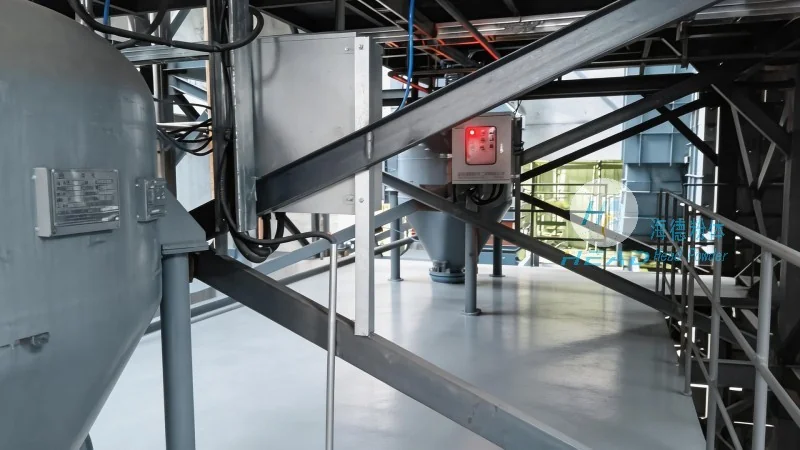
The working scene characteristics of a CPE pneumatic conveying line are tailored to meet the specific demands of industrial environments where CPE is processed or used. These characteristics include high material throughput, flexibility in conveying distances and angles, and the ability to handle varying material properties. For instance, in manufacturing facilities that produce CPE-based products, such as plastic pipes or coatings, the conveying line may need to transport large quantities of CPE pellets from storage silos to processing machines. The system is designed to maintain consistent material flow rates, ensuring that production lines operate smoothly without interruptions.
In addition to manufacturing plants, the CPE pneumatic conveying line is also applicable in recycling facilities where used CPE materials are collected and transported to reprocessing units. The system's ability to handle contaminated or mixed materials makes it suitable for recycling operations, where the material may contain impurities or different grades of CPE. The dust collection and separation components of the system help maintain a clean working environment and prevent the release of harmful particles into the air, which is crucial for compliance with environmental regulations.
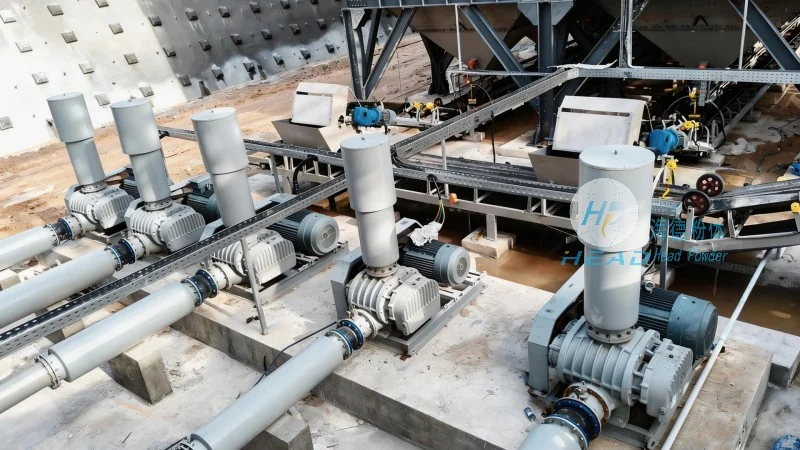
Implementing a pneumatic conveying line for CPE materials offers several advantages that enhance operational efficiency and product quality. One of the primary benefits is the reduction in material handling time and labor costs, as the system automates the transportation process. Additionally, the enclosed pipeline design minimizes dust exposure, which is beneficial for both worker safety and product purity. The system also allows for easy integration with other processing equipment, such as mixers or extruders, enabling seamless production workflows.
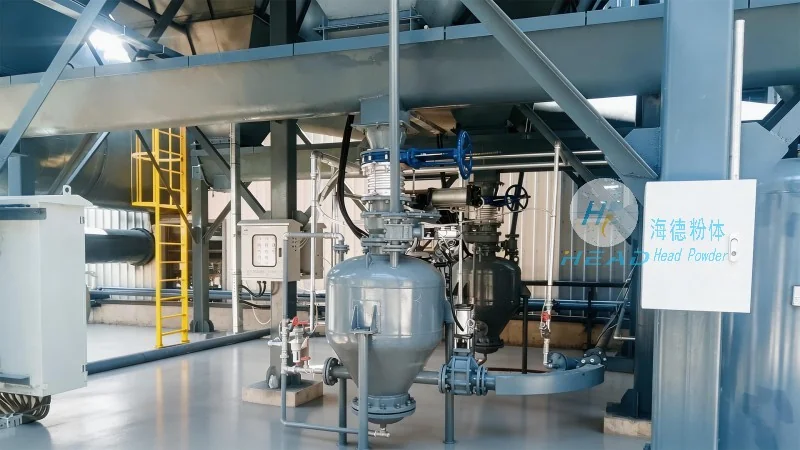
However, there are considerations to keep in mind when designing and operating a CPE pneumatic conveying line. The material's properties, such as its density and abrasiveness, can affect the system's performance and lifespan. For example, CPE pellets with high abrasiveness may require more robust pipeline materials and components to prevent wear and tear. Furthermore, the system's energy consumption should be optimized to ensure cost-effectiveness, as pneumatic conveying can be energy-intensive compared to other conveying methods. Proper maintenance and regular inspections are also essential to maintain the system's efficiency and prevent breakdowns.
In conclusion, the pneumatic conveying line for chlorinated polyethylene materials is a sophisticated system that leverages the principles of air flow to efficiently transport CPE in industrial settings. The working scene characteristics, including high throughput, flexibility, and environmental considerations, make it a valuable asset for manufacturers and recyclers alike. By understanding the core principles and application scenarios, industries can optimize their material handling processes and enhance overall operational performance. As the demand for CPE continues to grow, the importance of reliable and efficient conveying systems will remain critical in ensuring the smooth operation of CPE-based production lines.

 Shandong Headpowder Engineering Co., Ltd.
 156-6277-7102(Manager Zhang)
  0531-83386006
  Zhangqiu District, Jinan City, Shandong Province, China
telephone
WeChatconsult
top