What is a Cement Pneumatic Conveying System Equipment? What are its Design Principles?
Release time:2026-09-14 11:43:50
name of the company:Shandong Headpowder Engineering Co., Ltd.
telephone:156-6277-7102
contacts:Manager Zhang
Understanding the Cement Pneumatic Conveying System Equipment and Its Design Principles
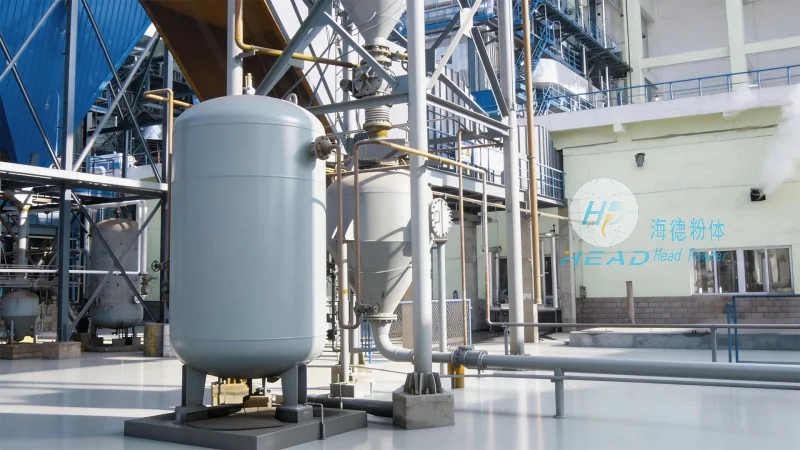
Introduction to Cement Pneumatic Conveying Systems
A cement pneumatic conveying system is a specialized industrial equipment designed to transport bulk materials, particularly cement, through a pipeline using air as the conveying medium. This technology offers a highly efficient and flexible method for moving cement and other powders from storage silos to processing units or end-use locations. The system operates by creating a pressure differential within the pipeline, which propels the material forward through the air stream. This approach eliminates the need for traditional mechanical conveyors, reducing maintenance costs and improving safety in material handling operations.
Key Components of a Cement Pneumatic Conveying System
The effectiveness of a cement pneumatic conveying system relies on several critical components that work in concert to ensure smooth and reliable operation. These components include:
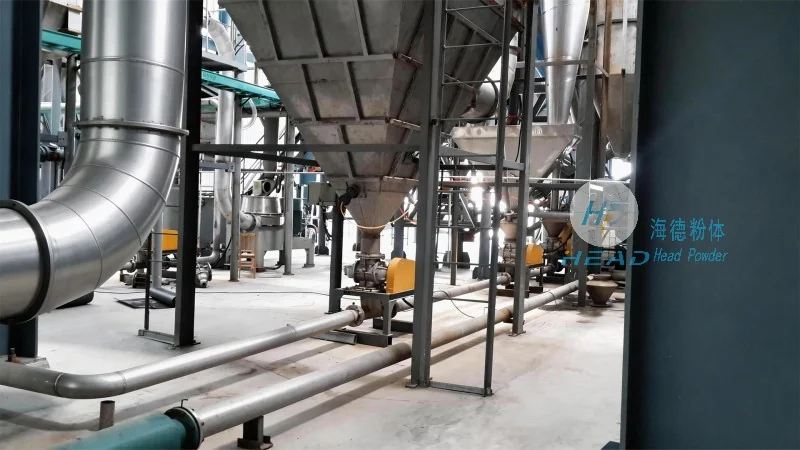
- Material Hopper: A container that stores the bulk cement before it is fed into the system. The hopper is designed to maintain a consistent material level and prevent clogging, ensuring a steady flow of material into the conveying line.
- Feeder: An equipment that controls the rate at which cement is introduced into the pipeline. Common types include rotary valves and screw feeders, which regulate the material flow based on system requirements and pressure conditions.
- Pneumatic Conveying Pipeline: The main transport channel where the cement is carried by the air stream. The pipeline is typically made of corrosion-resistant materials such as stainless steel or PVC to withstand the abrasive nature of cement particles and prevent material buildup.
- Blower or Air Compressor: The power source that generates the air pressure needed to move the cement. The choice between a blower (for low-pressure systems) and a compressor (for high-pressure systems) depends on the system's capacity and the distance the material needs to travel.
- Receiver: The final container where the cement is deposited after being conveyed through the pipeline. The receiver is often equipped with a discharge valve to control the release of the material into the next processing stage.
Design Principles for Efficient Cement Pneumatic Conveying
The design of a cement pneumatic conveying system is guided by several key principles aimed at maximizing efficiency, minimizing energy consumption, and ensuring long-term reliability. These principles include:
- Pressure and Flow Rate Optimization: The system is designed to maintain an optimal pressure and flow rate that balances material transport efficiency with energy consumption. Higher pressure can increase conveying capacity but may also lead to higher energy costs and increased wear on components.
- Material Characteristics Consideration: The design takes into account the physical properties of the cement, such as particle size, density, and moisture content. These factors influence the choice of conveying method (e.g., dilute phase or dense phase) and the selection of appropriate components to prevent material degradation or blockages.
- Pipeline Sizing and Layout: The diameter and length of the conveying pipeline are carefully calculated to ensure that the air velocity is sufficient to keep the cement particles suspended without causing excessive pressure drops or energy waste. The layout of the pipeline is also optimized to minimize bends and changes in direction, which can cause material separation or increased friction losses.
- Control and Monitoring Systems: Modern cement pneumatic conveying systems incorporate advanced control and monitoring technologies to regulate the operation in real-time. These systems can adjust the air pressure, feed rate, and other parameters based on feedback from sensors, ensuring consistent performance and preventing operational issues such as overpressure or underflow.
Benefits of Using a Cement Pneumatic Conveying System
Implementing a cement pneumatic conveying system offers several advantages over traditional material handling methods. These benefits include:
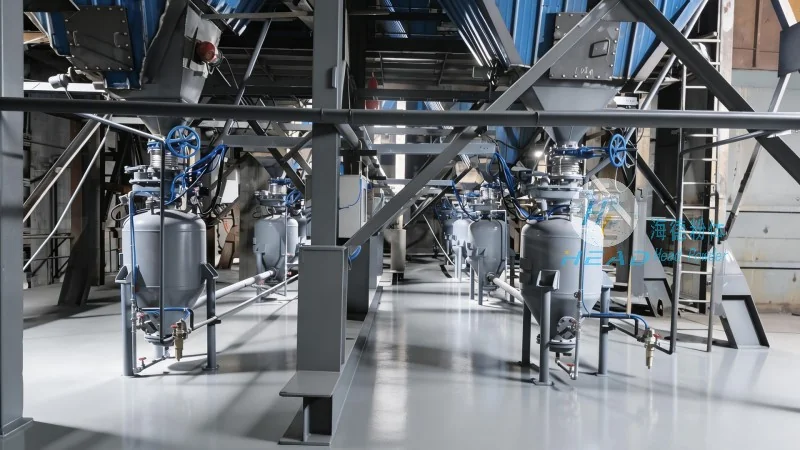
- Increased Efficiency and Productivity: The system allows for continuous and automated material transport, reducing downtime and increasing overall production throughput.
- Reduced Maintenance Costs: By eliminating mechanical components like belts, chains, and rollers, the system minimizes the need for regular maintenance and repairs, leading to lower operational costs.
- Improved Safety: The enclosed pipeline design prevents dust emissions and reduces the risk of material spills or accidents, creating a safer working environment.
- Flexibility in Layout: The pneumatic conveying system can be easily reconfigured or expanded to accommodate changes in production requirements or facility layout.
About Shandong HeadPowder Engineering Co., Ltd.
Shandong HeadPowder Engineering Co., Ltd., a leading manufacturer in the field of bulk material handling equipment, specializes in the design, manufacturing, and supply of cement pneumatic conveying systems. With years of experience and a commitment to innovation, the company provides high-quality, reliable solutions tailored to the specific needs of cement plants and other industrial facilities. HeadPowder's products are engineered to meet international standards and are backed by comprehensive technical support and after-sales service, ensuring customer satisfaction and long-term operational success.
Conclusion
Cement pneumatic conveying systems represent a sophisticated and efficient solution for the transportation of bulk cement. By understanding the key components and design principles, industrial facilities can optimize their material handling processes, enhance productivity, and reduce operational costs. As a trusted provider in the industry, Shandong HeadPowder Engineering Co., Ltd. continues to advance the technology and deliver cutting-edge solutions that meet the evolving demands of the cement and related industries.

 Shandong Headpowder Engineering Co., Ltd.
 156-6277-7102(Manager Zhang)
  0531-83386006
  Zhangqiu District, Jinan City, Shandong Province, China