With more than 10‑year industry experience, Shandong Headpowder delivers full‑service pneumatic‑conveying systems and blowers, undertaking nationwide turn‑key powder‑handling projects.
HeadPowder, a leading engineering company based in Shandong, China, specializes in the design and implementation of advanced pneumatic conveying systems tailored for the efficient handling of lightweight cement materials. This article delves into the fundamental principles underlying these systems and highlights the key working scene characteristics that make them indispensable in modern industrial applications.
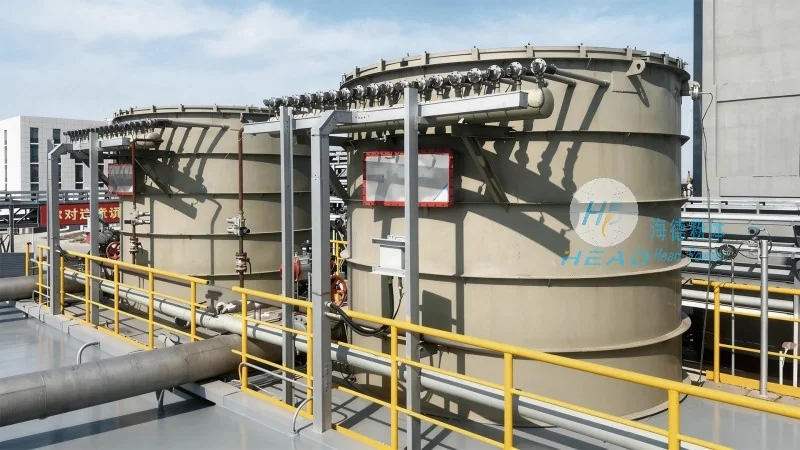
The core principle of pneumatic conveying lines for lightweight cement materials involves the use of compressed air or other gases to transport bulk materials through a pipeline network. Unlike traditional mechanical conveying methods, which rely on belts, buckets, or screw conveyors, pneumatic systems utilize air pressure to move materials in a fluidized state. This approach is particularly effective for lightweight, dusty, or friable materials like lightweight cement, as it minimizes material degradation and ensures a clean, dust-free transfer process.
At the heart of the system is the air compressor, which generates the necessary pressure to create a flow of air through the pipeline. The material is introduced into the system via a hopper or feeder, where it is mixed with the air stream. As the air and material mixture travels through the pipeline, the air velocity is maintained at a level sufficient to keep the material suspended, preventing blockages and ensuring smooth transport. The system typically includes components such as a filter, a silencer, and a discharge valve to manage the air and material flow, ensuring optimal performance and safety.
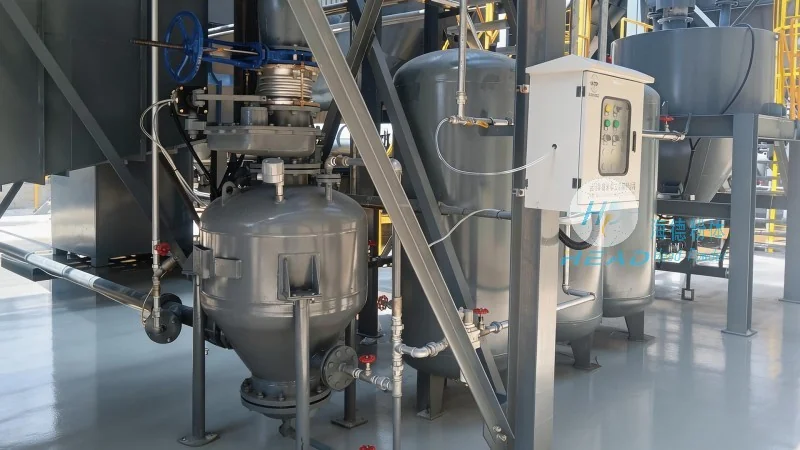
The working scene characteristics of pneumatic conveying lines for lightweight cement materials are defined by several key factors that influence their application and effectiveness. These include the material's physical properties, the system's layout and scale, and the operational environment.
Firstly, the physical properties of lightweight cement, such as its low bulk density and high dustiness, require specialized system design. The conveying velocity must be carefully controlled to prevent material deposition or clogging in the pipeline. HeadPowder's engineering expertise ensures that the system is optimized for these properties, using appropriate air velocities and pipeline diameters to maintain a stable flow.
Secondly, the system's layout and scale are tailored to the specific working environment. Pneumatic conveying lines can be designed as either dilute-phase or dense-phase systems, depending on the material's characteristics and the distance to be covered. Dilute-phase systems are suitable for short to medium distances and handle materials with higher air-to-material ratios, while dense-phase systems are used for longer distances and require higher air pressures to maintain material suspension. The choice of system type is critical to ensuring efficient and reliable operation in the working scene.
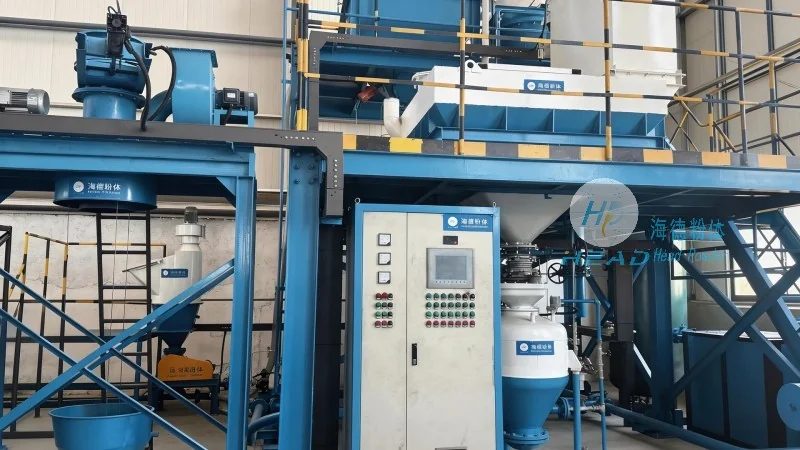
Thirdly, the operational environment, including factors like ambient temperature, humidity, and space constraints, influences the design of the pneumatic conveying line. HeadPowder's solutions are designed to be adaptable to various industrial settings, from small-scale production lines to large-scale manufacturing facilities. The systems are constructed with materials that resist corrosion and wear, ensuring long-term durability and minimal maintenance in diverse working conditions.
Pneumatic conveying lines for lightweight cement materials offer numerous advantages over traditional conveying methods, making them a preferred choice in many industrial applications. These advantages include improved material handling efficiency, reduced labor costs, and enhanced safety. The systems are capable of transporting materials over long distances with minimal energy consumption, and they eliminate the need for manual handling, which reduces the risk of dust exposure and material contamination.
Real-world applications of these systems are widespread across the cement and construction industries. For example, in a cement production plant, a pneumatic conveying line can be used to transport lightweight cement from storage silos to mixing stations, ensuring a continuous and consistent supply of material. In a construction site, the system can be employed to transport lightweight cement to various work areas, improving workflow efficiency and reducing downtime. HeadPowder's systems have been successfully implemented in numerous such scenarios, demonstrating their reliability and effectiveness in meeting the demands of modern industrial operations.
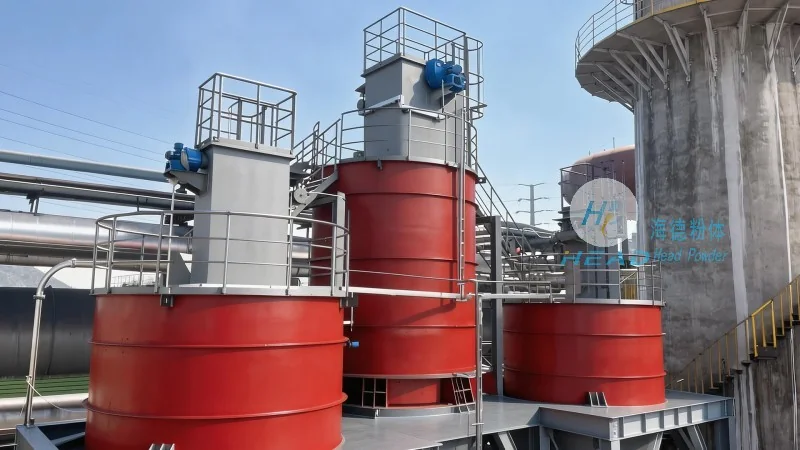
In conclusion, pneumatic conveying lines for lightweight cement materials are a sophisticated and efficient solution for material handling in industrial settings. The principles of air-based transport, combined with specialized system design, enable the reliable and safe movement of lightweight cement materials in various working scenes. HeadPowder, with its extensive experience and engineering capabilities, provides comprehensive solutions that address the unique challenges of handling lightweight cement, ensuring optimal performance and customer satisfaction.
As a company based in Shandong, China, HeadPowder continues to innovate and improve its pneumatic conveying systems to meet the evolving needs of the industry. The company's commitment to quality, reliability, and customer service has established it as a trusted partner for businesses seeking efficient and effective material handling solutions. Whether for new installations or system upgrades, HeadPowder's expertise in pneumatic conveying technology ensures that clients receive tailored solutions that enhance productivity and operational efficiency in their working scenes.

 Shandong Headpowder Engineering Co., Ltd.
 156-6277-7102(Manager Zhang)
  0531-83386006
  Zhangqiu District, Jinan City, Shandong Province, China
telephone
WeChatconsult
top