With more than 10‑year industry experience, Shandong Headpowder delivers full‑service pneumatic‑conveying systems and blowers, undertaking nationwide turn‑key powder‑handling projects.
For agricultural and processing operations dealing with sweet potatoes, efficient material handling is crucial. A sweet potato pneumatic conveying system offers a solution that combines functionality with reliability. This article explores what such a system entails and the underlying design principles that make it effective.
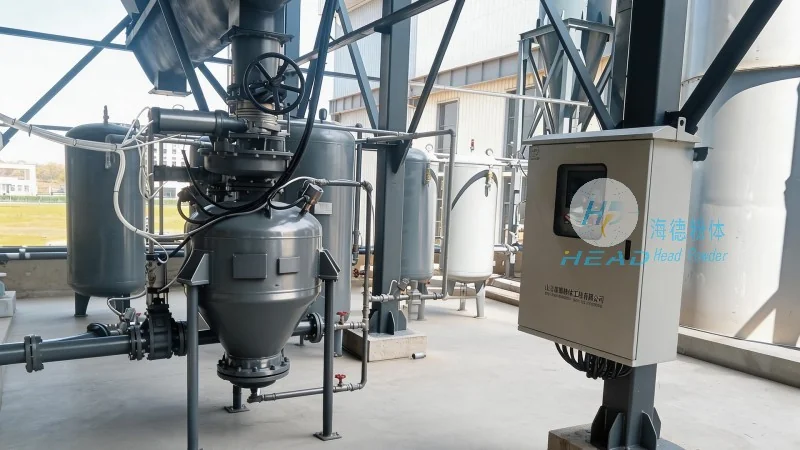
A sweet potato pneumatic conveying system is a specialized piece of equipment designed to transport sweet potatoes and related materials through a pipeline using air pressure. Unlike traditional mechanical conveyors, this system relies on the force of compressed air to move the product, which can be particularly advantageous in environments where hygiene, dust control, or gentle handling of the crop is a priority. The system typically includes components such as a hopper, a rotary valve, a pipeline, and a receiver, all working in tandem to ensure smooth and continuous material transport.
Each component of the sweet potato pneumatic conveying system plays a vital role in the overall operation. The hopper serves as the storage and feeding unit, where sweet potatoes are loaded and prepared for transport. The rotary valve, often referred to as a feeder, regulates the flow of material into the pipeline, ensuring a consistent and controlled discharge rate. The pipeline itself is the conduit through which the sweet potatoes travel, and its design—such as the diameter, length, and bends—directly impacts the system's efficiency and performance. Finally, the receiver collects the material at the end of the pipeline, completing the transport process.
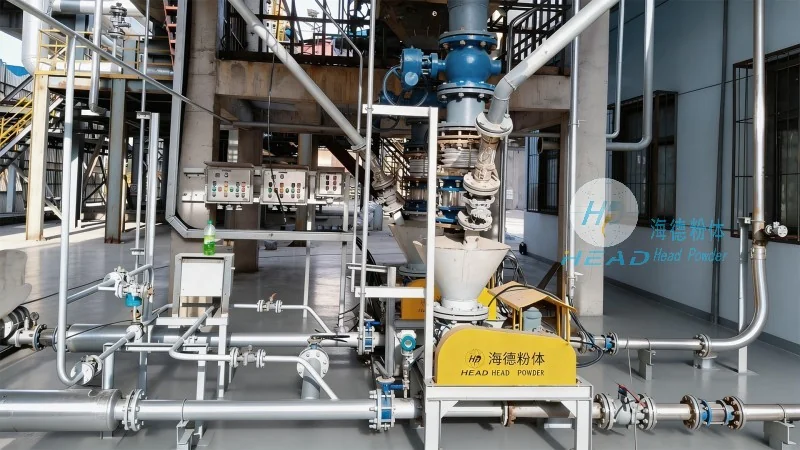
The design of a sweet potato pneumatic conveying system is guided by several key principles aimed at maximizing efficiency, minimizing energy consumption, and ensuring the integrity of the product. One of the primary principles is the selection of appropriate air velocity. The air velocity must be high enough to lift and transport the sweet potatoes but low enough to prevent excessive wear on the pipeline and to maintain product quality. This balance is critical for achieving optimal conveying rates while preserving the sweet potatoes' texture and freshness. Another important principle is the system's pressure management. Proper pressure control ensures that the material moves smoothly without causing blockages or excessive energy use. Additionally, the system's layout and the number of bends in the pipeline are carefully considered to minimize friction losses and maintain consistent flow rates.
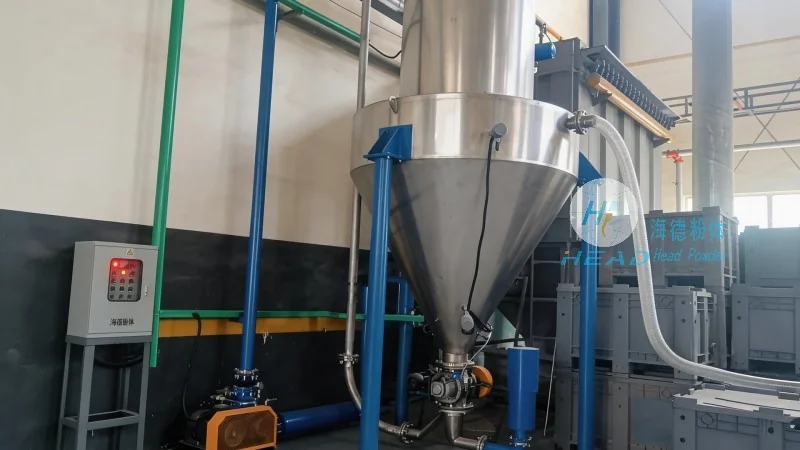
Implementing a sweet potato pneumatic conveying system offers several advantages for agricultural and processing operations. First, it provides a hygienic and dust-free environment, which is essential for maintaining the quality of the sweet potatoes and complying with food safety regulations. The enclosed system prevents contamination from external sources and reduces the risk of product spoilage due to exposure to air or contaminants. Second, the system is highly efficient in terms of space utilization. Unlike traditional conveyors that require extensive floor space for rollers and belts, the pneumatic system can be installed vertically or horizontally, making it suitable for facilities with limited space. Third, it offers flexibility in terms of layout, allowing for changes in the production line without major modifications to the system. Finally, the system is relatively low-maintenance compared to mechanical conveyors, as it has fewer moving parts and less wear and tear.
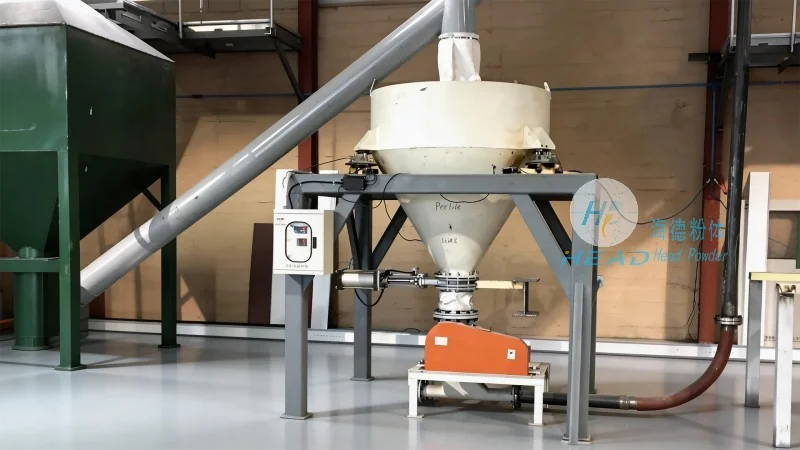
Sweet potato pneumatic conveying systems are widely used in various applications, from small-scale farms to large industrial processing facilities. In small-scale operations, the system can be used for transporting sweet potatoes from the field to a storage facility or processing plant. In larger facilities, it may be integrated into a larger production line, where sweet potatoes are conveyed to washing, peeling, or sorting stations. When selecting a system, several factors need to be considered, including the volume of sweet potatoes to be transported, the distance of the transport, the desired conveying rate, and the available space. It is also important to consider the type of sweet potatoes being handled, as different varieties may have varying densities and sizes, which can affect the system's performance.
A sweet potato pneumatic conveying system is a sophisticated and efficient solution for transporting sweet potatoes and related materials. By understanding its components, design principles, and benefits, agricultural and processing operations can make informed decisions about implementing such a system. The system's ability to provide hygienic, flexible, and space-efficient material handling makes it a valuable asset for any operation dealing with sweet potatoes. As technology continues to advance, these systems are likely to become even more efficient and adaptable, further enhancing their role in the sweet potato industry.

 Shandong Headpowder Engineering Co., Ltd.
 156-6277-7102(Manager Zhang)
  0531-83386006
  Zhangqiu District, Jinan City, Shandong Province, China
telephone
WeChatconsult
top