

What is a Ceramic Powder Pneumatic Conveying System Equipment? And What Are Its Design Principles?
In the realm of industrial material handling, particularly for fine ceramic powders, the ceramic powder pneumatic conveying system equipment stands as a sophisticated solution. This system is engineered to transport ceramic powders—such as those used in ceramics, refractories, and electronic components—from a source to a destination within a manufacturing facility. Unlike traditional mechanical conveying methods, which rely on belts, screws, or buckets, this system utilizes air as the primary conveying medium. The result is a method that minimizes particle degradation, prevents contamination, and ensures efficient, dust-free movement of these delicate materials. For industries where material purity and handling efficiency are paramount, this system is a critical component of the production process. Developed by Shandong HeadPowder Engineering Co., Ltd. (headpowder), this equipment exemplifies advanced engineering tailored to the unique demands of ceramic powder handling.
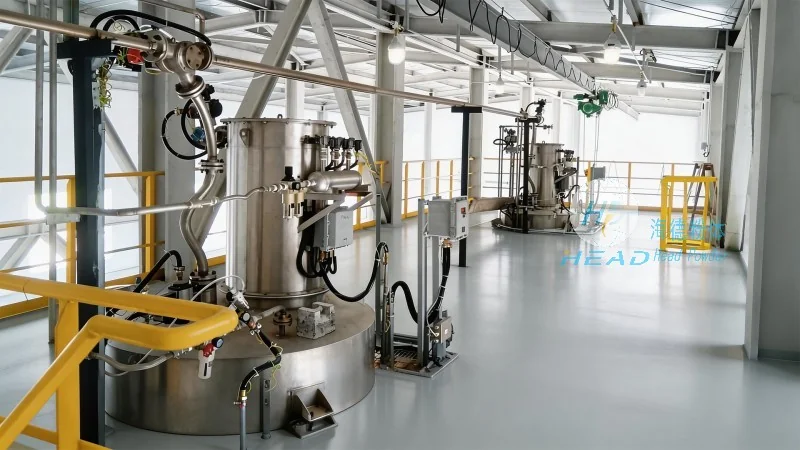
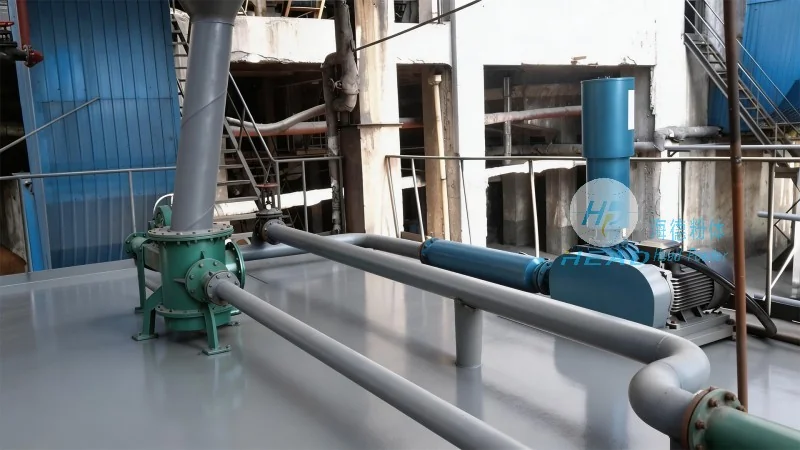
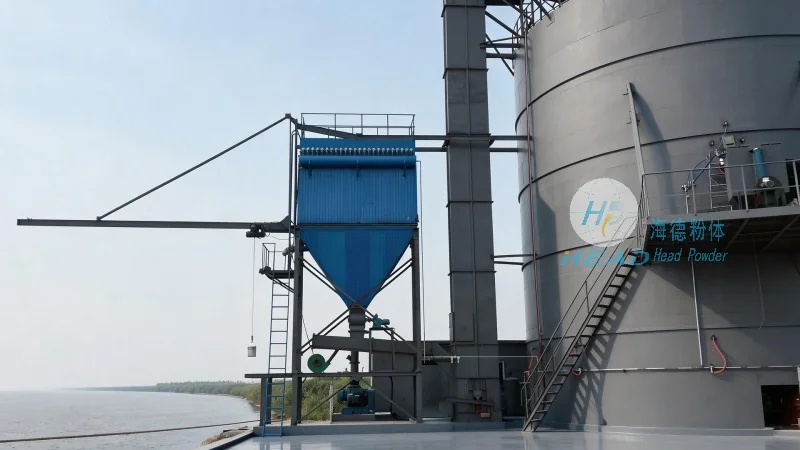
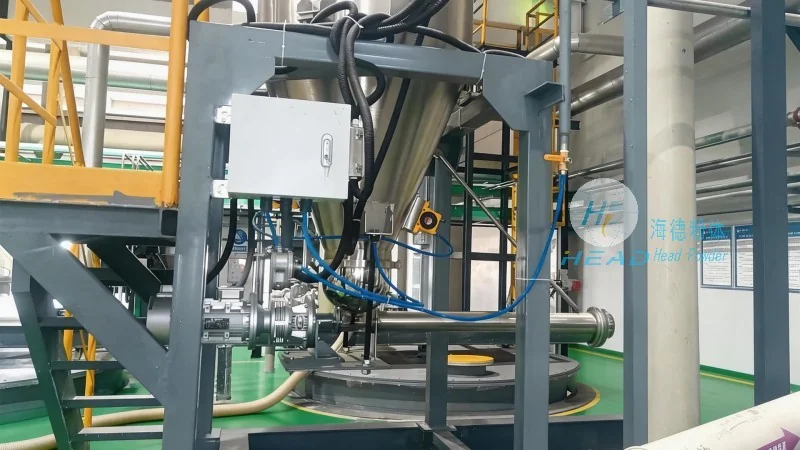
Key Components and Their Functions
The effectiveness of a ceramic powder pneumatic conveying system equipment hinges on its well-designed components, each tailored to handle the unique properties of ceramic powders. The system typically comprises a hopper, a feeder, a conveying line (often with pressure vessels or vacuum pumps), and a receiver. The hopper serves as the storage vessel, designed to maintain a consistent powder level and minimize segregation, which can occur in fine powders. The feeder, often a rotary valve or a vibratory feeder, controls the flow rate of the powder into the conveying line, ensuring a steady and controlled discharge. The conveying line, which may operate under pressure (positive pressure) or vacuum (negative pressure), uses compressed air or suction to move the powder through the system. The receiver then collects the material at the destination, equipped with features like dust collection and airtight seals to prevent environmental contamination. Each component is engineered to withstand the abrasive nature of ceramic powders and to maintain the integrity of the material throughout the conveying process.