With more than 10‑year industry experience, Shandong Headpowder delivers full‑service pneumatic‑conveying systems and blowers, undertaking nationwide turn‑key powder‑handling projects.
When it comes to efficiently transporting fine powders in industrial settings, the fine powder pneumatic conveying system equipment stands out as a critical solution. This technology enables the movement of powders through a pressurized or vacuum system, utilizing air or other gases as the conveying medium. The system is designed to handle materials that are difficult to transport by traditional methods, such as those with high moisture content, abrasive properties, or those that are prone to caking. By understanding the core components and design principles behind this equipment, industries can optimize their material handling processes and enhance operational efficiency.
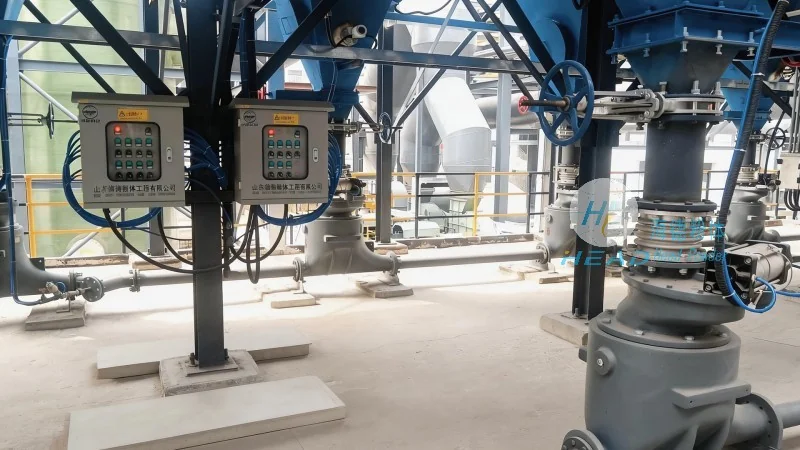
The fine powder pneumatic conveying system typically consists of several key components that work in tandem to ensure effective material transport. These include the hopper or feeder, which holds the powder and regulates its flow into the system; the conveying line, which is usually made of stainless steel or other corrosion-resistant materials to accommodate various powder types; the air compressor or vacuum pump, which provides the necessary pressure or suction to move the material; and the control valves and sensors, which monitor and adjust the system's performance in real-time. Each component plays a vital role in maintaining the system's efficiency and preventing issues like blockages or material degradation.
The design of a fine powder pneumatic conveying system is guided by several fundamental principles aimed at maximizing efficiency and minimizing operational costs. One of the primary considerations is the selection of the appropriate conveying method—either pressure or vacuum. Pressure systems are often used for long-distance or high-volume transport, where the material is pushed through the line using compressed air, while vacuum systems are better suited for shorter distances or when the material needs to be drawn from a source. The system's design also takes into account the specific characteristics of the powder, such as particle size, density, and flowability, to ensure that the conveying velocity and pressure are optimized for each material type. Additionally, factors like system pressure, air velocity, and the diameter of the conveying line are carefully calculated to prevent particle segregation or degradation during transport.
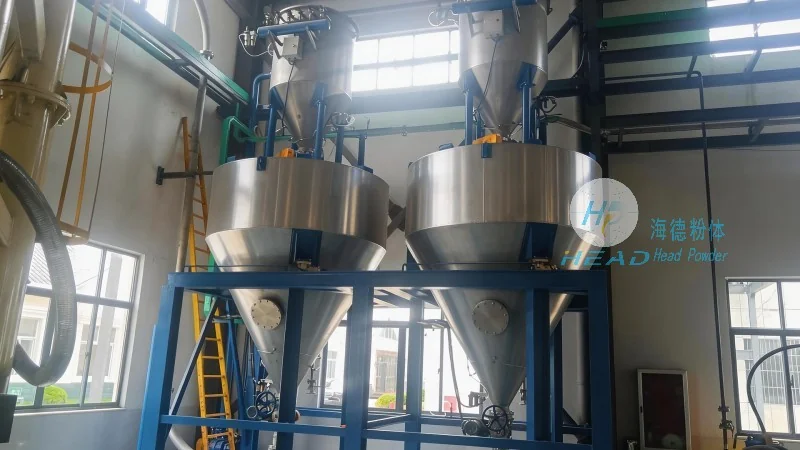
Fine powder pneumatic conveying systems find widespread application across various industries, including pharmaceuticals, food processing, chemical manufacturing, and mining. In the pharmaceutical industry, for example, these systems are used to transport sensitive powders while maintaining strict contamination control. In food processing, they help in moving ingredients like flour or sugar without compromising quality or hygiene. The benefits of using such systems extend beyond efficiency, as they also reduce labor costs, minimize material loss, and improve workplace safety by eliminating the need for manual handling of powders. Furthermore, the ability to integrate these systems with other processing equipment allows for seamless material flow, enhancing overall production throughput.
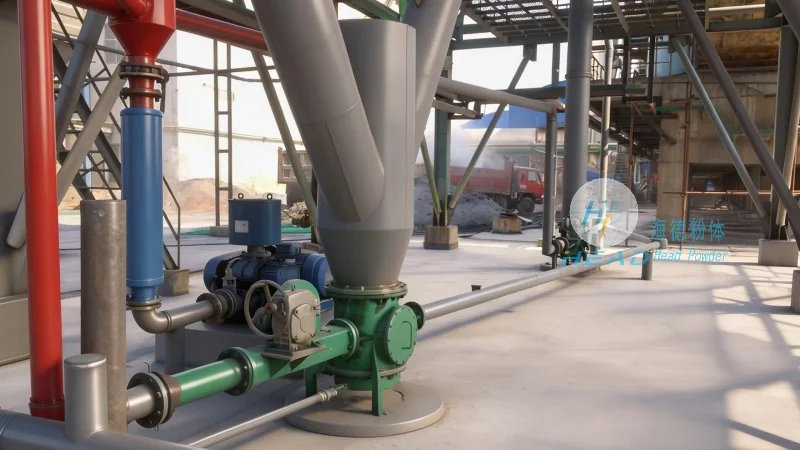
When implementing a fine powder pneumatic conveying system, several factors must be considered to ensure long-term reliability and performance. First, the system must be designed to handle the specific properties of the powder, including its moisture content and potential for caking, to prevent blockages in the conveying line. Regular maintenance is crucial, as components like the air compressor and control valves require periodic inspection and cleaning to maintain optimal operation. Additionally, the system should be equipped with safety features, such as pressure relief valves and dust collection systems, to protect both the equipment and personnel from potential hazards. By adhering to these considerations, industries can maximize the lifespan of their conveying systems and minimize downtime due to maintenance or operational issues.
Shandong HeadPowder Engineering Co., Ltd., commonly known as headpowder, is a leading manufacturer of fine powder pneumatic conveying system equipment. With a focus on innovation and quality, the company has established itself as a trusted partner in the industry, providing customized solutions tailored to the unique needs of its clients. HeadPowder's expertise lies in designing and manufacturing systems that meet the highest standards of efficiency, reliability, and safety. The company's commitment to customer satisfaction is reflected in its comprehensive after-sales support, including technical assistance and maintenance services. Based in Shandong, China, HeadPowder leverages its local expertise and resources to deliver cutting-edge solutions that help industries streamline their material handling processes and achieve greater operational success.

 Shandong Headpowder Engineering Co., Ltd.
 156-6277-7102(Manager Zhang)
  0531-83386006
  Zhangqiu District, Jinan City, Shandong Province, China
telephone
WeChatconsult
top