With more than 10‑year industry experience, Shandong Headpowder delivers full‑service pneumatic‑conveying systems and blowers, undertaking nationwide turn‑key powder‑handling projects.
When it comes to the efficient and reliable transportation of kaolin, selecting the right method is crucial for optimizing production processes and ensuring product integrity. As a leading provider in the industry, Shandong HeadPowder Engineering Co., Ltd. offers a range of specialized solutions tailored to meet diverse operational needs. This article explores the primary methods of kaolin transportation, highlighting their advantages, applications, and how they contribute to seamless material handling in industrial settings.
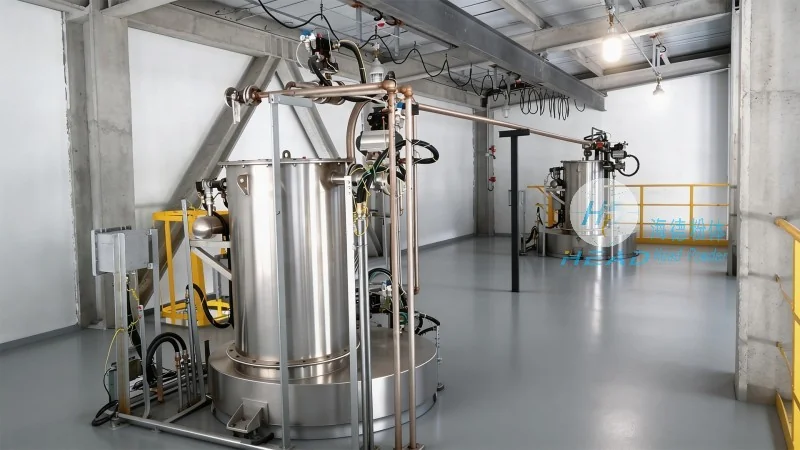
Pipeline transportation stands out as a highly efficient method for moving large volumes of kaolin, particularly in applications where continuous flow is required. This approach involves the use of closed pipelines to transport the material from the source to the processing or storage facilities. The system typically consists of a series of pipes, pumps, and valves that work in tandem to maintain a consistent flow rate. For companies like Shandong HeadPowder Engineering Co., Ltd., pipeline systems are often integrated with advanced control technologies, allowing for real-time monitoring and adjustment of pressure and flow. This not only enhances operational efficiency but also minimizes the risk of material degradation or contamination. The use of specialized pipeline materials, such as corrosion-resistant steel or polyethylene, ensures durability and longevity, making this method suitable for long-term operations. Additionally, pipeline transportation reduces the need for manual handling, thereby improving workplace safety and reducing labor costs. In industrial settings, where kaolin is used in applications like papermaking, ceramics, and coatings, pipeline systems provide a reliable means of transporting the material without the need for intermediate storage or handling steps.
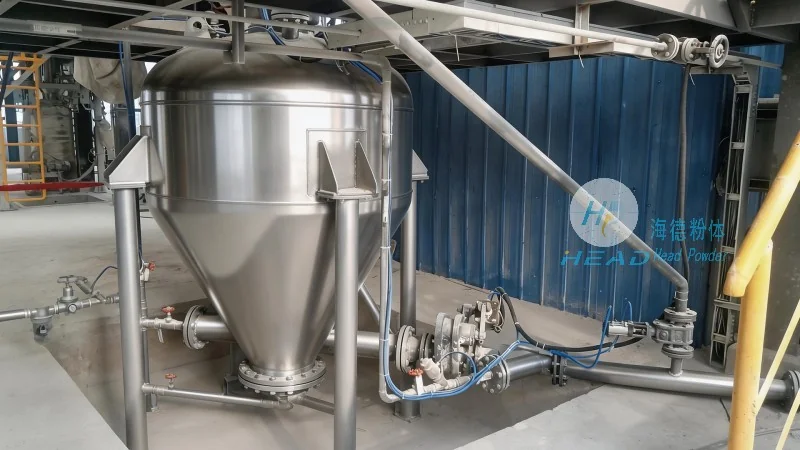
Belt conveyor systems represent another widely adopted method for kaolin transportation, especially in scenarios where horizontal or slight incline movement is required. These systems consist of a continuous loop of conveyor belt supported by rollers or pulleys, which moves the material from one point to another. The design of the belt conveyor can be customized to accommodate various kaolin particle sizes and moisture levels, ensuring optimal performance. Shandong HeadPowder Engineering Co., Ltd. specializes in manufacturing and installing belt conveyor systems that are tailored to the specific characteristics of kaolin. For instance, the use of heavy-duty belts with reinforced edges can prevent tearing or damage during transport, while adjustable speed controls allow operators to regulate the flow rate based on production demands. Belt conveyors are particularly advantageous in environments where space is limited or where multiple stages of processing are involved, as they can be integrated with other equipment, such as crushers or classifiers, to form a complete material handling line. The robust construction of these systems ensures they can withstand the abrasive nature of kaolin, which is known for its fine, powdery texture. Moreover, belt conveyors offer a cost-effective solution for medium to large-scale operations, as they require minimal maintenance and can handle high throughput volumes. In the context of kaolin processing, belt conveyors are often used to transport raw kaolin from storage silos to processing units, or to move finished products to packaging areas.
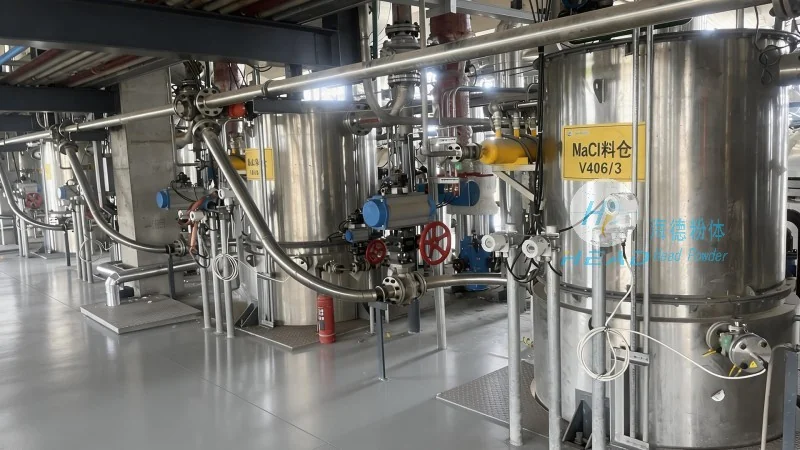
Pneumatic conveying, also known as air-pneumatic transport, is a method that utilizes air pressure to move kaolin particles through a pipeline. This technique is particularly well-suited for transporting fine or powdery kaolin, as it minimizes the risk of material degradation and contamination. The system typically consists of a blower or compressor that generates the necessary air pressure, a hopper for material storage, and a pipeline network that transports the material to the destination. Shandong HeadPowder Engineering Co., Ltd. employs advanced pneumatic conveying technologies, including both positive and negative pressure systems, to ensure optimal performance. Positive pressure systems push the material through the pipeline using compressed air, while negative pressure systems create a vacuum to draw the material. The choice between these systems depends on factors such as the distance to be covered, the material's characteristics, and the desired flow rate. Pneumatic conveying offers several benefits, including the ability to transport kaolin over long distances without the need for intermediate transfer points, and the reduction of dust exposure for operators. Additionally, this method allows for the integration of kaolin with other materials or additives during the transport process, which is beneficial in applications like the production of kaolin-based coatings or fillers. The flexibility of pneumatic conveying makes it suitable for both new installations and retrofitting existing facilities. However, it is important to note that the system requires careful maintenance to prevent air leaks or blockages, which could affect the efficiency of the transport process. In industrial settings, pneumatic conveying is commonly used in the paper industry for transporting kaolin to paper machines, where it serves as a filler or coating material.
For applications requiring vertical movement of kaolin, bucket elevators provide an effective solution. These systems consist of a vertical or inclined conveyor with buckets attached to a continuous chain or belt. As the chain or belt moves, the buckets scoop up the kaolin from a hopper and transport it to a higher level or to a different location. Shandong HeadPowder Engineering Co., Ltd. offers bucket elevators designed specifically for the handling of kaolin, taking into account its fine particle size and potential for caking. The design of the buckets, with their smooth interior surfaces and appropriate spacing, ensures that kaolin is transferred without sticking or blockages. The speed of the elevator can be adjusted to control the flow rate, and the system can be equipped with safety features, such as emergency stop mechanisms, to protect operators. Bucket elevators are particularly advantageous in environments where vertical space is limited or where the material needs to be elevated to a significant height, such as in multi-story processing facilities. They are commonly used in kaolin processing plants to transport raw material from ground-level storage to upper-level processing units or to feed other equipment like classifiers or dryers. The robust construction of bucket elevators ensures they can handle the abrasive nature of kaolin, and their ability to operate continuously makes them a reliable choice for high-volume operations. Additionally, bucket elevators can be integrated with other material handling systems, such as belt conveyors or pneumatic conveyors, to form a comprehensive transport network. This integration allows for seamless material flow from storage to processing, enhancing overall operational efficiency.
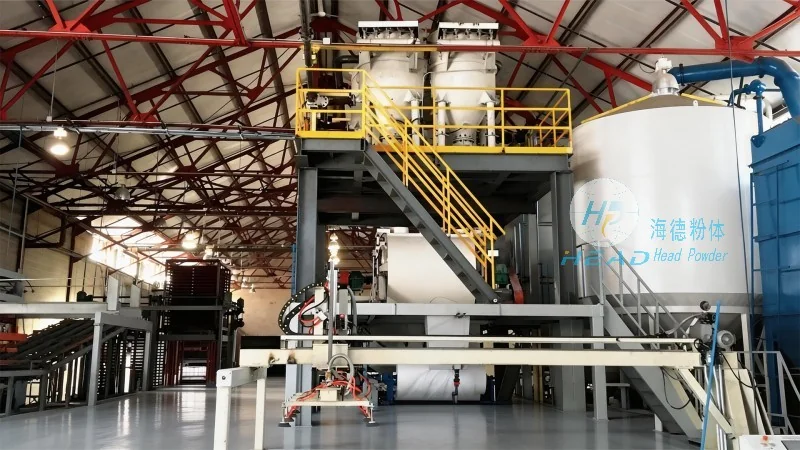
Screw conveyors, also known as auger conveyors, are another method used for the transportation of kaolin, particularly in applications where space is limited or where the material needs to be moved in a compact, enclosed manner. These systems consist of a rotating screw (auger) inside a tube or trough, which moves the kaolin from one end to the other. The screw's rotation causes the material to be pushed forward, and the design can be customized to handle various kaolin characteristics, such as moisture content or particle size. Shandong HeadPowder Engineering Co., Ltd. manufactures screw conveyors that are specifically designed for kaolin, ensuring optimal performance and durability. The use of corrosion-resistant materials, such as stainless steel or coated steel, prevents damage from the abrasive nature of kaolin and extends the lifespan of the equipment. Screw conveyors are particularly advantageous in environments where dust control is a priority, as the enclosed design minimizes the release of fine particles into the air. This is beneficial for maintaining a safe working environment and complying with environmental regulations. Additionally, screw conveyors offer a cost-effective solution for short to medium-distance transport, as they require less space compared to other methods like belt conveyors or pipelines. They are commonly used in kaolin processing plants to transport material from storage bins to processing equipment, or to move finished products to packaging areas. The ability to operate at different speeds allows operators to adjust the flow rate based on production needs, ensuring that the system operates efficiently and without overloading. Screw conveyors are also suitable for applications where the material needs to be mixed with other additives, as the rotating screw can effectively blend the kaolin with the other components during transport.

 Shandong Headpowder Engineering Co., Ltd.
 156-6277-7102(Manager Zhang)
  0531-83386006
  Zhangqiu District, Jinan City, Shandong Province, China
telephone
WeChatconsult
top